The Best Fluffy Pancakes recipe you will fall in love with. Full of tips and tricks to help you make the best pancakes.

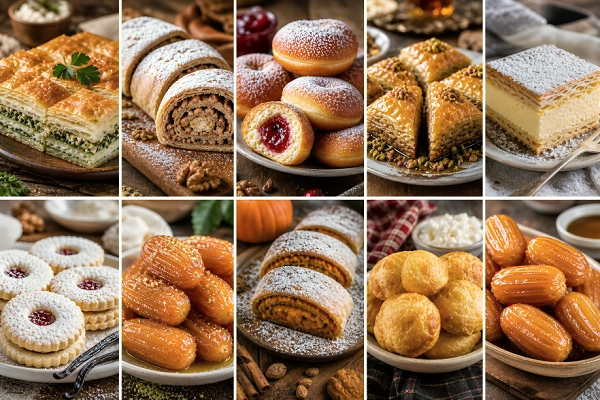
A crunch of golden phyllo, a pour of warm syrup, the faint smell of walnuts toasting Serbian pastries are centuries of culture baked into every bite. Here is your complete guide to the most beloved pastries of the Balkans, from everyday breakfast staples to once-a-year celebration sweets.
What Are Serbian Pastries?
Serbian pastries are traditional baked and fried goods that originate from Serbia and the broader Balkan region. They range from savory pies made with thin phyllo dough to sweet rolls drenched in honey syrup. Some pastries appear on everyday breakfast tables; others show up only at weddings, religious feasts, or Christmas celebrations.
What sets Serbian pastries apart is their layered cultural DNA. Serbian cuisine developed under the influence of Byzantine-Greek and Mediterranean traditions, but also Turkish and Central European influences, with Serbia sitting at the crossroads between East and West. The combination produced a baking tradition that feels familiar yet entirely its own.
Serbian home bakers take enormous pride in their craft. Recipes pass down from grandmother to grandchild, often without written instructions, relying instead on feel, smell, and the wisdom of repeated practice.
That personal connection to food is something you sense even when tasting Serbian pastries for the very first time.
10 Must-Know Serbian Pastries
Serbian baking covers a wide range of textures and flavors. Here are the most well-known and widely enjoyed varieties:
1. Gibanica
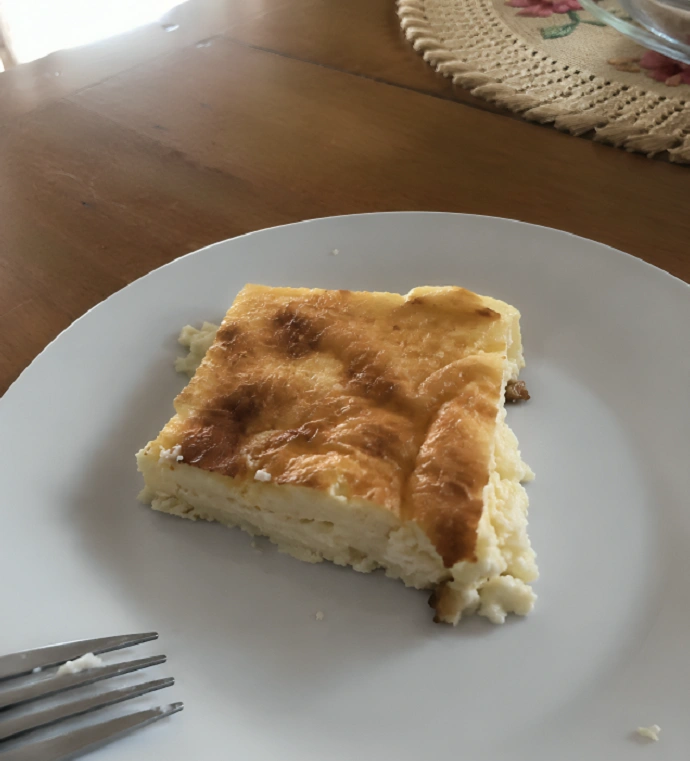
A pastry that consists of thin layers of filo pastry hugging a generous blend of cheese, eggs, and sometimes spinach. The layers are assembled with each sheet coated in a mixture of eggs and cheese, giving it a crispy exterior while the interior remains tender.
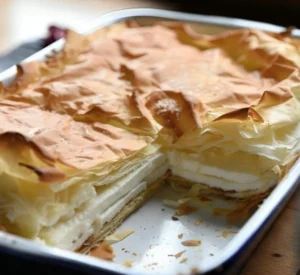
Gibanica is also a local cultural landmark, a mainstay at Serbian gatherings, and an essential component of festivities especially during Slava.
2. Štrudla
Serbia’s take on strudel. The dough wraps around fillings like walnuts, apples, cherries, or poppy seeds. Bakers roll it tightly, bake it golden, and dust it with powdered sugar. It cuts well and will last for several days.
3. Krofne
Unlike American donuts, Serbian krofne are completely round and golden brown. They are made from sourdough that is deep-fried in oil and can be covered with sugar or filled with jam, usually plum or apricot. Most bakeries sell them year-round.
4. Baklava
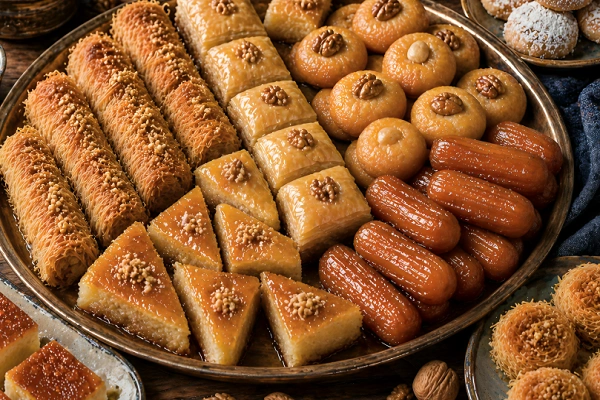
Adopted from Ottoman cuisine, Serbian baklava uses layers of thin pastry, crushed walnuts, and a sweet sugar or honey syrup. It is a rich, satisfying dessert typically served in diamond shapes.
5. Krempita
In Bosnia and Herzegovina, Serbia, and Montenegro, Krempita is a beloved classic. It is usually prepared with puff pastry dough and a filling of thick custard, less commonly combined with meringue. This widely enjoyed pastry traces its roots to Austro-Hungarian café culture.
6. Vanilice
A traditional Serbian delicacy consisting of two biscuit layers with jam in between, sprinkled with vanilla sugar all over. They are considered one of the tastiest holiday treats and were declared the best holiday cake in 2015.
7. Hurmašice
Small date-shaped cookies soaked in syrup. The name literally means “little dates.” Bakers shape the soft dough by hand, bake the pieces until lightly golden, then immediately soak them in warm sugar syrup. The result is a moist, sweet, bite-sized treat.
8. Bundevara
A cooked and rolled pie made from grated pumpkin pulp, phyllo dough, a little sugar and cinnamon. It is a light and tasty dessert that melts in the mouth. Depending on the recipe it may also include raisins, almonds, lemon zest and nutmeg.
9. Uštipci
Fried dough pastries that appear regularly on Serbian breakfast tables. Sweet versions pair with jam or powdered sugar. Savory ones come filled with cheese. Uštipci are quick, rustic, and deeply comforting real village food at its best.
10. Tulumbe
Choux-style dough piped into small ridged cylinders, fried until golden, then immediately soaked in cold sugar syrup. The contrast between the crispy shell and the syrup-soaked interior is what makes tulumbe unforgettable.
Common Ingredients Used in Serbian Desserts
Serbian pastry recipes tend to use straightforward pantry staples. The magic lies not in exotic components but in how bakers combine and handle simple, honest ingredients.
Serbian cakes and pastries are usually made with wheat flour, milk, butter, and sugar with many sweet cakes originating in Central Europe while savory pastries often carry Ottoman origins.
The most common ingredients include phyllo dough (jufka), walnuts, white cheese (sir), eggs, sour cream (kajmak), sugar syrup, sunflower oil, apricot or plum jam, vanilla sugar, poppy seeds, butter, and honey.
The Walnut Factor
Walnuts appear in an enormous number of Serbian sweets. Serbia is an emerging walnut exporter, leveraging its proximity to EU markets. The country’s climate and soil suit walnut cultivation well, which helps explain why this nut became the go-to filling for rolls, cakes, and cookies across Serbian baking.
Phyllo Dough The Foundation
Phyllo dough, locally called jufka, shows up in both sweet and savory dishes. Skilled home cooks still stretch their own by hand, though commercial versions now handle most daily baking needs.
The Art of the Syrup Pour
Sugar syrups play a key role in Serbian pastry texture. Many desserts baklava, hurmašice, tulumbe require pouring warm syrup over freshly baked or fried goods. The contrast creates a specific absorption that produces the characteristic moistness these pastries are known for. Experienced bakers know exactly when to pour.
The Cultural Importance of Serbian Sweets
Food is never just food in Serbian culture. It carries social weight, religious meaning, and emotional memory. Pastries sit at the center of this relationship with remarkable consistency.
The Slava Tradition
The Slava is a family’s annual ceremony and veneration of their patron saint a tribute to the family’s first ancestor who was baptized into Christianity. A central aspect of Slava is hospitality, expressed through the unwritten rule that “one does not get invited to Slava” guests are simply expected to come.
In November 2014, UNESCO officially recognized the Serbian Slava and included it on its List of Intangible Cultural Heritage, making it the first cultural property from Serbia to receive that distinction.
The ritual foods prepared for the Slava feast include slavski kolač, a ritual bread, and koljivo, a dish of minced boiled wheat sweetened and sometimes mixed with chopped walnuts. Alongside these, families serve a full spread of savory and sweet pastries for the guests who arrive throughout the day.
Celebrating Slava is a one day event but preparation for Slava might take a week. Labor laws in Serbia even grant everyone a day off for their Slava.
Christmas, Easter, and the Baking Calendar
Christmas and Easter both bring their own baking rituals. Orthodox Christmas is celebrated on January 7th according to the Julian calendar, and preparations begin with a six-week Lent period.
The celebration involves a special bread called Česnica in which a coin is hidden whoever finds it is said to have special luck in the new year. Vanilice, štrudla, and various nut rolls stack in tins and stay fresh for days, ready for any relative who drops by.
Pastries in Everyday Life
Serbians often go to a bakery in the morning to get some fresh pastry. Workers grab a warm slice wrapped in paper, eat it standing, and start their day. That daily ritual, repeated across millions of people, keeps Serbian pastry culture alive in the most practical and unpretentious way possible.
A Tradition Rediscovered
Younger generations are now rediscovering traditional recipes through social media, food blogs, and cooking shows. Serbian pastries that once seemed old-fashioned are finding new audiences among people curious about their roots helping preserve techniques that might otherwise fade away.
Final Thoughts
Serbian pastries represent far more than a collection of recipes. They document centuries of cultural exchange, religious tradition, and everyday hospitality.
Whether you encounter them at a Belgrade bakery in the early morning, at a family Slava celebration, or through a home cook’s careful recreation abroad, these pastries carry genuine stories with them.
The flavors are accessible walnuts, cheese, dough, syrup but the experience they create is distinctly Serbian. If you ever get the chance to try a piece of freshly baked gibanica or a walnut štrudla still warm from the oven, take it without hesitation.
You will understand immediately why these pastries have survived for so long and why the people who make them feel so strongly about keeping the tradition alive.

James Carter is a food researcher and writer passionate about global cuisines, street food, and the stories behind what we eat. He combines thorough research with a genuine love for food culture to bring readers accurate, well-written, and interesting content.