The Best Fluffy Pancakes recipe you will fall in love with. Full of tips and tricks to help you make the best pancakes.

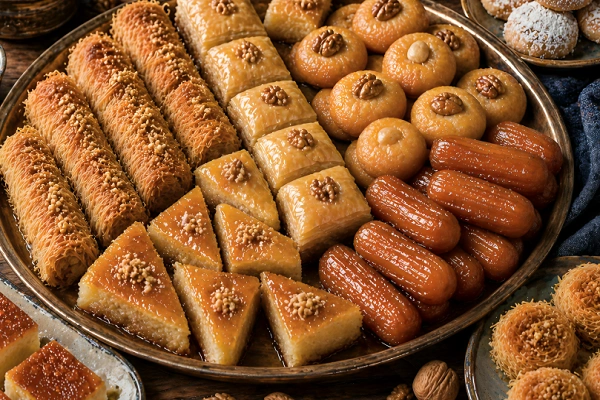
Albanian desserts have been shaped by centuries of history, culture, and the influences of empires that once passed through the Balkan region.
From flaky pastries drenched in syrup to creamy puddings and crispy fried dough, the dessert tradition in Albania is rich, diverse, and deeply rooted in hospitality.
Whether you are exploring Balkan cuisine for the first time or looking to understand what makes Albanian sweets unique, this guide covers everything worth knowing.
What Makes Albanian Desserts Unique
Albanian sweets are known for one defining characteristic: the use of sherbet, a lemon-infused sugar syrup poured over baked or fried goods. This technique transforms dry pastries into moist, golden, deeply flavored treats.
Beyond syrup, walnuts, semolina, phyllo dough, honey, and butter appear again and again as core ingredients. The flavor profile tends to be bold and sweet, often balanced with a hint of citrus or cinnamon.
Albania’s dessert culture also reflects its neighbors. The Ottoman Empire left behind a clear influence in dishes like baklava and kadaif.
Greek and Turkish culinary traditions blended into the local kitchen over centuries, creating a version of Balkan sweets that is distinctly Albanian in preparation and presentation.
Syrup-Soaked Pastries
Baklava (Bakllava)
Baklava is the most recognized dessert in Albanian cuisine. The Albanian version uses layered phyllo dough filled almost exclusively with crushed walnuts not pistachios, as seen in some other regional versions.

Sheets of phyllo are brushed with melted butter, stacked with walnut filling, then baked until golden.
Once out of the oven, a cold lemon-scented sugar syrup is poured over the hot pastry. The contrast between hot and cold creates a signature sizzle and keeps the layers crisp.
It is traditionally prepared for celebrations such as New Year’s, weddings, and religious holidays.
The process is time-consuming but the result is a flaky pastry that balances crunch, richness, and sweetness.
Kadaif (Kadayif)
Kadaif uses kataifi dough thin strands of shredded phyllo that resemble vermicelli or shredded wheat. The dough is rolled around a walnut filling, baked until deep golden brown, then soaked in syrup.

The texture is one of the most appealing things about kadaif: crunchy on the outside, syrup-soft on the inside. It is lighter in structure than baklava but equally sweet.
In Albanian bakeries, kadaif is often displayed alongside baklava and sheqerpare as part of the classic traditional pastry spread.
Sheqerpare
The name sheqerpare translates roughly to “piece of sugar,” and the dessert lives up to that name. These are butter cookies shaped by hand, each with a walnut or almond pressed into the center, baked until golden, then generously bathed in warm sugar syrup.

The dough uses butter, flour, eggs, and a small amount of baking powder. After baking, the cookies absorb the syrup slowly over several hours. The result is a crumbly, melt-in-the-mouth texture that is fully saturated with sweetness.
Sheqerpare pairs naturally with Albanian mountain tea or strong coffee. It stores well for several days, making it a common household sweet kept ready for guests.
Tulumba
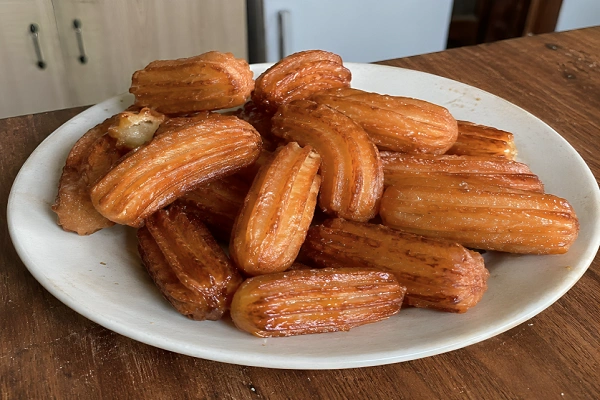
Tulumba is a fried dough dessert shaped by pushing unleavened dough through a star-tipped pastry nozzle.
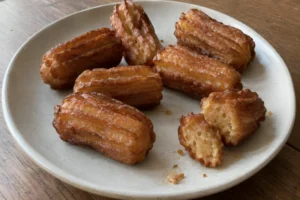
The dough is deep-fried until it develops a crispy golden exterior, then immediately plunged into cold syrup.
The secret to making good tulumba is the contrast. The surface should stay a little firm while the center is juicy and soft from the syrup. It is similar to a churro in shape but distinctly different in texture and preparation.
Tulumba is often served at room temperature and pairs well with strong coffee to cut through the intense sweetness.
Cakes and Soft Sweets
Trileçe (Three Milk Cake)
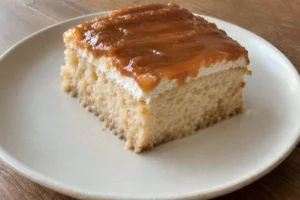
Trileçe is a widely loved Albanian dessert in which a light sponge cake is baked, pierced with holes, then soaked in a mixture of three types of milk.
The origins of this dessert are debated some accounts link it to the Latin American tres leches cake, while others trace it back to an Ottoman-era recipe made with the milk of three different animals: goat, cow, and water buffalo.
These days, evaporated milk, condensed milk, and thick cream are used in most recipes. The top is finished with a thick, glossy caramel glaze.
The result is cool, creamy, and deeply moist, lighter and less sweet than its Latin American counterpart.
Trileçe is widely available in Albanian cafes and bakeries and has become one of the most ordered desserts in the country, later spreading to Kosovo, Serbia, North Macedonia, and Turkey.
Shëndetlie (Honey Walnut Cake)
Shëndetlie sits somewhere between a dense cake and a biscuit. The dough is mixed with honey, crushed walnuts, and baking soda, which causes it to rise and darken significantly in the oven.
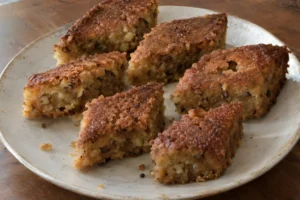
After baking, a warm syrup is poured over the surface, transforming the dry, crumbly cake into something moist and deeply flavored. The honey gives it a molasses-like richness, and the walnuts add texture throughout.
The name shëndetlie comes from the Albanian word for health, reflecting an older association between honey-based sweets and nourishment.
It is particularly popular during colder months and pairs well with herbal tea.
Ballokume Elbasani
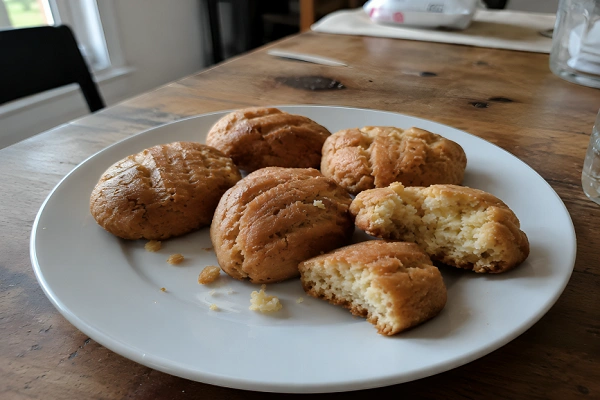
Ballokume is a traditional Albanian cookie that originates from the city of Elbasan in central Albania. It is strongly associated with “Dita e Verës” , the Albanian Summer Day celebration held on March 14th each year, a holiday with ancient pagan roots marking the arrival of spring.
The name itself has a historical origin: according to tradition, a 16th-century Ottoman ruler of Elbasan, after tasting a small cake made from corn flour cooked in a wood fire, exclaimed “Është ba si llokume!” meaning “It’s as good as a lokum!”
The cookie is made from corn flour, butter, sugar, and eggs. The corn flour gives it a distinctive golden color and a crumbly, melt-in-the-mouth texture.
Traditional preparation calls for kneading the dough vigorously by hand in a copper bowl, which is believed to help maintain an even temperature and improve the final texture.
Because of the strength required for kneading, tradition holds that the men of the household take part in preparing ballokume.
Ballokume is rich and heavy, best shared in small portions. It is one of the few Albanian desserts tied directly to a specific cultural celebration.
Revani
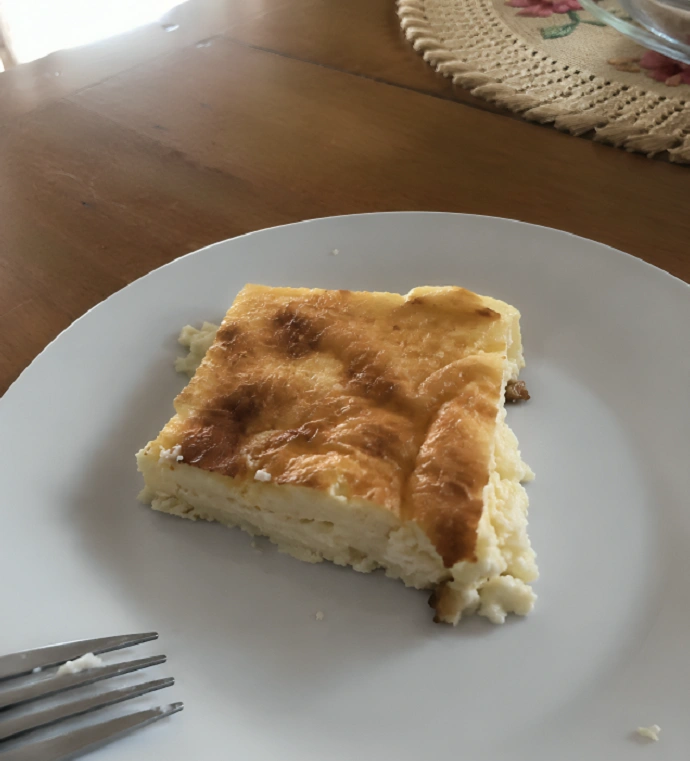
Revani is a semolina cake popular across the Eastern Mediterranean, and the Albanian version stays close to the regional classic. The batter is made by beating eggs and sugar until frothy, then folding in semolina flour to keep the texture light and slightly granular.
Once baked and still warm, the cake is cut into diamond shapes and soaked in lemon-infused syrup. The semolina absorbs liquid differently from regular flour; it creates a dense, juicy bite that holds its shape even after soaking.
Revani is one of the simpler Albanian desserts to prepare, making it a common homemade sweet for everyday occasions as well as larger gatherings.
Puddings and Porridges
Hashure (Noah’s Pudding)
Hashure is known more broadly as Noah’s Pudding, a dessert prepared to mark the day of Ashura. The dish is made by boiling whole wheat grains until they release their starch and naturally thicken the liquid into a pudding-like consistency.
Once the base is ready, ingredients such as walnuts, almonds, dried figs, raisins, pomegranate seeds, and cinnamon are stirred in. The resulting dish is hearty, naturally sweetened, and nutrient-dense.
Hashure is traditionally prepared in large quantities and shared with neighbors and friends, a practice that reflects the communal spirit behind the occasion. The texture is gelatinous and thick, unlike most Western-style puddings.
Sultjash (Rice Pudding)
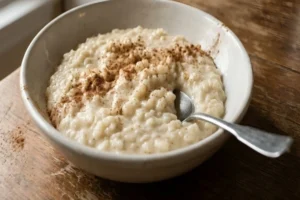
Sultjash is Albanian rice pudding, made by simmering short-grain rice slowly in milk with sugar until the starch is fully released and the mixture becomes thick and creamy.
Some versions are finished in the oven to develop a lightly caramelized skin on top.
A generous dusting of ground cinnamon is the final touch considered essential rather than optional. Sultjash is a comfort food in Albania, simple to prepare from pantry staples and suitable for any season.
Kabuni
Kabuni is one of the most distinctive entries in Albanian sweets. According to Wikipedia and multiple culinary sources, it is made of rice fried in butter, mutton broth (from ram’s neck specifically), raisins rinsed in warm water, salt, sugar, cinnamon, and ground cloves. Unlike most desserts, it is served cold.
The fat from the mutton broth gives kabuni a savory depth that contrasts with the sweetness of the sugar and raisins, creating a complex flavor that is unlike anything in Western dessert traditions.
It is a dish with deep historical roots, traditionally served at Albanian weddings and special celebrations. Despite its unusual combination of ingredients, kabuni has remained a recognized part of Albanian culinary heritage for generations.
Quick and Everyday Sweets
Petulla (Albanian Fried Dough)
Petulla is the Albanian equivalent of fried dough or fritters made from a simple yeast dough that is dropped by spoonfuls into hot oil and fried until puffed and golden.
Unlike many desserts on this list, petulla can go either sweet or savory. Sweet versions are served with honey, powdered sugar, or fruit preserves. Savory versions are paired with feta cheese or yogurt.
This versatility makes petulla a popular breakfast item as well as a dessert across Albanian households.
The dough is straightforward flour, water, yeast, and salt and the frying process takes only minutes. Petulla is best eaten immediately while still hot and crispy.
Hasude (Starch Jelly)
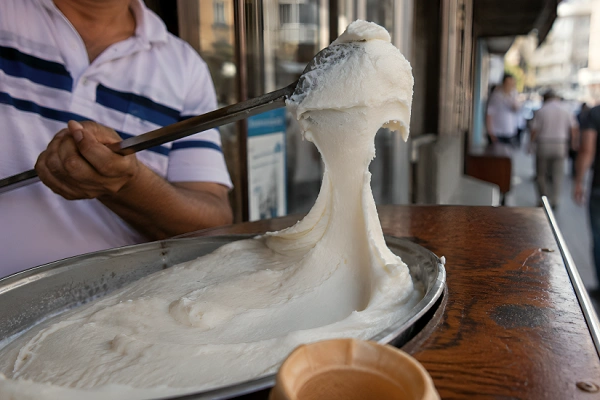
Hasude is one of the oldest and most basic Albanian desserts, a starch-based jelly made from caramelized sugar, water, corn starch, and butter.
The sugar is cooked until it reaches a deep amber caramel, then water and starch are added and stirred continuously until the mixture thickens into a smooth, glossy jelly.
It sets into a soft, firm consistency and is typically served topped with crushed walnuts. Hasude was historically made when pantry supplies were limited, requiring almost no ingredients. It remains a quick dessert option in Albanian homes today.
Key Ingredients in Albanian Dessert Making
Understanding Albanian sweets means understanding the ingredients that define them:
- Phyllo dough — the base of baklava and kadaif, requiring thin sheets and butter between each layer
- Walnuts — the most common nut used whole, crushed, or as filling
- Semolina — used in revani for texture and syrup absorption
- Corn flour — the defining ingredient of ballokume, giving it its golden color and crumbly texture
- Honey — appears in shëndetlie and as a topping for petulla
- Lemon — used almost universally in syrup preparation to balance sweetness
- Cinnamon — a key aromatic spice in sultjash, kabuni, and hashure
- Butter — used generously in pastry layers and cookie doughs
- Sugar syrup (sherbet) — the defining technique in Albanian pastry; poured hot or cold depending on the recipe
Albanian Desserts in Culture and Hospitality
In Albanian culture, offering sweets to a guest is an act of respect and warmth. Desserts like sheqerpare and baklava are prepared ahead of visits and kept ready for anyone who arrives.
During the day of Ashura, hashure is made in large quantities and distributed to neighbors and the wider community.
On “Dita e Verës” the Albanian Summer Day on March 14, which became a national holiday in 2004 ballokume from Elbasan is the traditional sweet prepared and shared across households throughout the country.
Wedding celebrations commonly feature kabuni and baklava. Sweets also appear during mourning periods, shared among neighbors as a gesture of solidarity reflecting how deeply traditional Albanian food is connected to social and community life across all occasions.
Final Thoughts
Albanian desserts reflect a rich culinary heritage shaped by simple, high-quality ingredients, traditional methods, and a distinctive balance of sweetness with hints of citrus and spice.
From the syrup-soaked layers of baklava to the deep, earthy flavor of shëndetlie, the festive warmth of hashure, and the cultural symbolism of ballokume, each dessert tells a story connected to Albania’s history, regions, and traditions.
Whether enjoyed in a bakery in Tirana, shared at a family gathering in Elbasan, or prepared at home from passed-down recipes, these sweets offer an authentic glimpse into one of the Balkans’ most charming and lesser-known dessert traditions.

Rachel Bradley is a food writer and recipe developer with a love for home cooking and global flavors. She has spent years testing recipes in her kitchen, exploring everything from quick weeknight meals to traditional dishes from around the world. Her goal is simple — make great food accessible to everyone.