The Best Fluffy Pancakes recipe you will fall in love with. Full of tips and tricks to help you make the best pancakes.

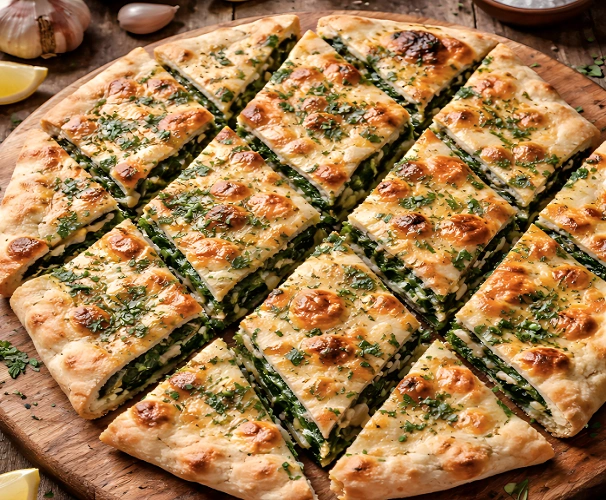
Some foods exist not just to fill the stomach, some carry an entire history with them. Soparnik is exactly that kind of dish. Simple dough, a handful of greens, olive oil, and garlic with just these few things, the farmers of Dalmatia have been making a dish for centuries that is now increasingly recognized beyond Croatia.
If you are searching for the soparnik recipe, know this first: it is not just a pie. It is a living tradition that the Croatian Ministry of Culture has declared intangible cultural heritage, and the European Union has granted it Protected Geographical Indication (PGI) status.
What Exactly Is Soparnik?
Soparnik is a traditional Croatian savory pie filled with Swiss chard and onion. It goes by other names too soparnjak, zeljanik, and uljenjak depending on which part of the Poljica region it comes from. It is the most recognized specialty of the Dalmatian area of Poljica, located between the cities of Split and Omiš.
At first glance, the dish looks almost too plain. No cheese, no meat, no eggs. Just Swiss chard, onion, salt, and a measured amount of olive oil. The dough is unleavened and rolled very thin closer to a flatbread than a deep pie. But this is when its character really shines.
The History of Soparnik A Dish of the Common People
For centuries, families across Poljica have stretched a simple dough of flour, water, salt, and olive oil into a thin round, filled it with chard and onion, and baked it on a hot stone hearth called a komin under hot embers and ash.
It was a fasting food, prepared on Good Friday, Christmas Eve, and All Saints’ Day. Farmers made it to feed themselves and to welcome guests. Over time, it became a symbol of the Poljica region, and now it is served at formal and joyful events.
Poljica is divided into three parts Lower, Upper, and Middle and the name of the dish shifts slightly depending on where it is made.
Some communities put raisins in the filling, while others sprinkle walnuts on top. These small differences reflect the living, evolving nature of any true folk recipe.
Today, the traditional method of preparing Poljički soparnik is listed as intangible cultural heritage by the Croatian Ministry of Culture, and the dish itself carries Protected Geographical Indication (PGI) status at the European level, registered in 2016. Despite that official recognition, its soul remains deeply rural.
Soparnik Recipe It Can Absolutely Be Made at Home
The traditional stone hearth can be replaced by a modern oven without losing the essence of the dish. Below is the method that stays closest to the original Dalmatian style.
Ingredients (Serves 6 to 8)
Dough ingredients:
- 400g all-purpose flour
- 200ml lukewarm water
- 4 tablespoons olive oil
- ½ teaspoon salt
Filling ingredients:
- 500g Swiss chard stems removed, leaves cut into strips
- 1 medium onion, finely chopped
- 2–3 spring onions, chopped
- A handful of fresh parsley, chopped
- 2 tablespoons olive oil
- Salt to taste
Garlic oil finish:
- 3 tablespoons olive oil
- 2–3 garlic cloves, very finely minced
Method Step by Step
Step 1: Prepare the Chard
The single most important step in making soparnik is drying the chard thoroughly after washing it. If it remains wet, the dough absorbs the moisture and the crust becomes soggy from the inside.
The only liquid in the assembled pie should be what naturally comes from the chard itself during baking.
Cut the leaves into strips and take off the tough stalks. Then mix in the parsley, spring onions, olive oil, and salt.
Step 2: Make the Dough
Combine flour, salt, olive oil, and lukewarm water. Knead the dough for 8 to 10 minutes, or until it is smooth and can be stretched. Put a wet cloth over it and let it sit at room temperature for 30 minutes.
Step 3: Roll Out Both Layers
Divide the rested dough into two equal pieces. Roll each piece into a very thin, roughly circular shape about 2 to 3 millimeters thick. The thinner you roll it, the closer the result will be to the authentic version.
Dust a baking tray with flour and lay the first sheet of dough on it.
Step 4: Fill and Seal
Spread the chard mixture evenly over the first layer of dough. Cover it with the second sheet. Press the edges together firmly and twist them to form a tight seal so the filling stays inside during baking.
Poke the top of the pie with a fork a few times before putting it in the oven. This lets steam escape and makes sure the pie cooks evenly.
Step 5: Bake
Preheat the oven to 200°C (392°F). Bake the soparnik for 18 to 22 minutes, until the top turns a light golden color with a few slightly darker spots and feels firm when tapped.
Step 6: Apply the Garlic Oil
While the soparnik bakes, gently warm the olive oil in a small pan over low heat. Add the minced garlic and a pinch of salt and heat for just 1 to 2 minutes enough to become fragrant without browning the garlic.
Remove the soparnik from the oven, let it rest for 3 to 5 minutes, then brush the garlic oil generously over the entire surface.
Step 7: Cut and Serve
Soparnik is traditionally cut into rhombus or diamond shapes; this is its traditional and recognizable form. Transfer it to a wooden board if possible and serve warm.
Practical Tips That Make a Real Difference
Wet chard will ruin the crust. This is the most common mistake. After washing, spread the leaves out and let them dry fully. Some traditional cooks leave the chard out overnight. A little flour can also be added to the filling to absorb any remaining moisture.
Make the garlic oil ahead of time. Prepare it before the soparnik goes into the oven so the garlic and oil have time to come together properly. The mixture should be ready to apply the moment the pie comes out.
To achieve the thinnest possible roll of the dough,. The whole character of soparnik depends on a crust that holds the filling but tears cleanly when cut. Thick dough turns it into something else entirely.
Do not overcook it. The filling does not need long chard steams inside the sealed crust during baking. Once the top is golden and firm, it is done.
How and With What to Serve It
Soparnik works beautifully as a shared dish at the center of the table. It pairs well with brined olives, Dalmatian-style cheese, cured meats, and a simple salad of tomatoes, cucumber, and onion.
It can be served warm straight from the oven or at room temperature both are good. Leftovers keep in the fridge for up to 3 days, though it is naturally at its best when freshly baked.
Soparnik Is About More Than Just Taste
Soparnik has always been a dish made for the community. When a large round pie came off the hearth, it was cut into diamond portions and shared among everyone gathered. That spirit has not changed.
Every year, the municipality of Dugi Rat holds a festival dedicated entirely to soparnik.
Participants are judged not only on taste, composition, appearance, and baking skill, but also on their knowledge of the customs and traditions of the Poljica region. It is taken seriously because the dish represents something beyond food.
The soparnik recipe is simple enough that you might wonder what all the fuss is about. Then the first slice comes apart under your hands that paper-thin crust, the soft chard underneath, the sharp scent of garlic oil rising up and the centuries of reputation start to make complete sense.

Rachel Bradley is a food writer and recipe developer with a love for home cooking and global flavors. She has spent years testing recipes in her kitchen, exploring everything from quick weeknight meals to traditional dishes from around the world. Her goal is simple — make great food accessible to everyone.