The Best Fluffy Pancakes recipe you will fall in love with. Full of tips and tricks to help you make the best pancakes.

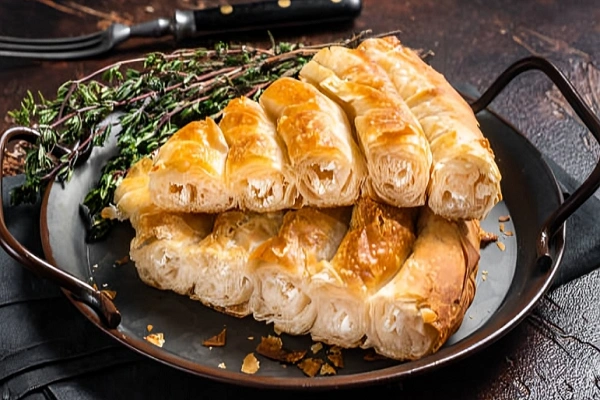
If you have ever wondered what Bosnian snacks taste like, you are in for a real treat. Bosnia and Herzegovina sits at a fascinating crossroads of Ottoman, Austro-Hungarian, and Mediterranean influences, and that rich culinary history shows up clearly in its snack culture.
Whether you are walking through the old bazaar of Sarajevo, visiting a Bosnian family, or simply curious about Balkan food, these traditional bites tell a story that goes far beyond just flavor.
Many visitors describe their first taste of burek near Baščaršija as a moment that completely changes how they think about street food. In this guide, we will take a close look at the most popular and beloved Bosnian snacks, where they come from, and what makes them so special.
What Makes Bosnian Snack Culture Unique?
Bosnian food culture is deeply communal. Snacks are not just something you grab on the go; they are often shared with family, served to guests, or enjoyed slowly with a cup of Bosnian coffee.
The Ottoman Empire left a strong mark on the country’s cuisine, introducing phyllo pastry, stuffed vegetables, and sweet syrup-soaked desserts. Meanwhile, the Austro-Hungarian period added a love of hearty baked goods and meat-filled pastries.
Most traditional Bosnian snacks use simple, locally-sourced ingredients: lamb, beef, spinach, cheese, potatoes, walnuts, and honey.
You will not find a lot of processed or artificial ingredients here. The meal is honest, filling, and cooked with love. That simplicity is actually what makes it so good.
Most Popular Bosnian Snacks You Should Know
Burek
Burek is arguably the most iconic of all Bosnian snacks. It is a flaky, layered phyllo pastry filled with seasoned minced meat, typically beef or a beef-lamb mix. In Bosnia, burek refers specifically to the meat version.
If you order it filled with cheese, locals will call it sirnica; with spinach, it is zeljanica; and with potatoes, it is krompirusa.
Bosnians eat burek for breakfast, as a snack, or as a light meal, usually paired with plain yogurt called kiselo mlijeko. The combination sounds simple, but once you try it, you understand why it has stood the test of time for centuries.
The crispy layers of pastry with the savory filling and cool, tangy yogurt on the side that is a breakfast worth waking up for.
Klepe
Klepe are Bosnian dumplings, similar in concept to Italian tortellini or Turkish manti. They are made from thin dough, filled with minced meat and onion, and boiled until tender.
The real magic happens when you top them with a generous pour of garlic-infused yogurt and a drizzle of sizzling butter mixed with paprika.
These little dumplings take time and patience to make, which is why experienced home cooks in Bosnian households are often the ones preparing them for special occasions. When a Bosnian family makes klepe for you, consider it a sign of genuine warmth and hospitality.
Cevapi
Cevapi (or cevapcici) are small, skinless grilled meat sausages made from a blend of minced beef and lamb.
They are served in a soft, slightly charred somun a Bosnian flatbread with raw onions and kajmak, a thick fermented dairy spread with a rich, tangy flavor somewhere between cream cheese and clotted cream.
Sarajevo-style cevapi are considered the gold standard across the region, and the area around Baščaršija has no shortage of restaurants competing for that title. If you ever visit Bosnia, this is the one snack you absolutely cannot skip.
Pita
In Bosnia, pita is a broad term that covers all types of stuffed phyllo pastries. Beyond burek, this family includes sirnica (white cheese filling), zeljanica (spinach and cheese), krompirusa (potato filling), and tikvenjaca (pumpkin filling).
Each version has its loyal fans, and in many Bosnian homes, different family members swear by different varieties.
What they all share is that delicate, paper-thin pastry dough that bakers stretch by hand across a large table until it is nearly see-through.
This handcraft technique, refined over centuries, is what gives Bosnian pita its distinctive light and airy texture.
Traditional Bosnian Sweet Snacks and Desserts
Tufahija
Tufahija is one of the most beloved traditional Bosnian sweets. A whole apple is simmered in sugar syrup until tender, then stuffed with a sweetened walnut filling, and topped with whipped cream.
The result is an elegant, not-too-sweet dessert that feels both rustic and refined at the same time.
This dessert has deep roots in Bosnian culinary history and remains a staple on menus throughout the country, especially in Sarajevo. It is the kind of sweet that does not overwhelm you delicate, fragrant, and deeply satisfying.
Bosnian Baklava
Yes, baklava exists across the entire former Ottoman world, but Bosnian baklava has its own character. It tends to be less sweet and less syrup-soaked than its Turkish or Greek counterparts. .
Bosnian bakers often use walnuts instead of pistachios and prefer a lighter sugar syrup, making the final product more delicate and less sticky.
During Ramadan and Eid celebrations, baklava production across Bosnia reaches another level entirely. Families spend days preparing trays of it to share with neighbors, relatives, and anyone who stops by.
Hurmasice
Hurmasice are small, oval-shaped cakes made from a simple dough of flour, oil, and eggs, baked until golden, and then soaked in warm sugar syrup. The name comes from the Bosnian word for date, because these little cakes somewhat resemble dates in shape.
They melt in your mouth and are juicy and velvety. You will find them at almost every Bosnian celebration, alongside coffee and other sweets.
They are also one of the easiest traditional Bosnian sweets to prepare at home, which is probably why the recipe exists in so many different family variations across the country.
The Connection Between Bosnian Snacks and Coffee Culture
You cannot talk about Bosnian snacks without mentioning Bosnian coffee. Coffee here is not just a drink, it is a ritual. Bosnian coffee is brewed differently from Turkish coffee; the grounds settle slowly in the džezva, a small copper pot, and the coffee is poured carefully into a small cup called a fildžan.
This coffee is almost always served with a sugar cube on the side and often accompanied by rahat lokum (Turkish delight) or a piece of baklava.
The idea is to take your time sip the coffee slowly, enjoy the sweet bite, and be present in the conversation happening around you. It is this pace and intention that makes Bosnian snack culture feel so different from fast-food culture elsewhere.
Snacks from Rural Bosnia What the Villages Eat
While the city snacks get most of the attention, rural Bosnian cuisine has its own wonderful traditions. Bread baked in a sac, a traditional covered pan placed under hot coals is still common in villages across the country.
This bread, called lepinja or somun depending on the region, is thick, slightly charred, and perfect for dipping in fresh cream or eating alongside grilled meats.
Kajmak also appears as a standalone snack in rural areas, spread generously over fresh bread and eaten simply with nothing else needed.
Dried meats, local cheeses, and roasted peppers often complete a countryside spread that is humble but incredibly flavorful.
Where to Find Authentic Bosnian Snacks
If you are in Bosnia, the old bazaar district of Sarajevo is the best place to start. The small bakeries and buregdzinicas (burek shops) there open early in the morning and often sell out by midday.
Mostar is another excellent city for traditional food, especially around the Old Bridge area.
Outside of Bosnia, you can find these snacks in cities with large Bosnian diaspora communities particularly in Germany, Austria, Sweden, and parts of the United States, especially St. Louis, Missouri, which is home to one of the largest Bosnian communities outside of Europe.
You can also try making these snacks at home. Burek and hurmasice are especially beginner-friendly and require no specialized equipment.
Many Bosnian cooking videos online offer excellent step-by-step guidance from experienced home cooks who walk you through each stage with care.
Final Thoughts
Bosnian snacks are much more than quick bites. They carry centuries of history, cultural identity, and genuine warmth in every layer of phyllo, every hand-rolled cevap, and every walnut-filled apple.
Whether you try them in Sarajevo, find a Bosnian bakery in your city, or make them at home on a quiet weekend, you are tapping into a food tradition that has survived empires and generations with its soul completely intact.
The best thing about exploring Bosnian snacks is that they welcome you in without asking anything in return. You do not need to know the language or understand the history to appreciate how good they taste. Good food speaks for itself and Bosnian food speaks very, very well.

Rachel Bradley is a food writer and recipe developer with a love for home cooking and global flavors. She has spent years testing recipes in her kitchen, exploring everything from quick weeknight meals to traditional dishes from around the world. Her goal is simple — make great food accessible to everyone.