The Best Fluffy Pancakes recipe you will fall in love with. Full of tips and tricks to help you make the best pancakes.

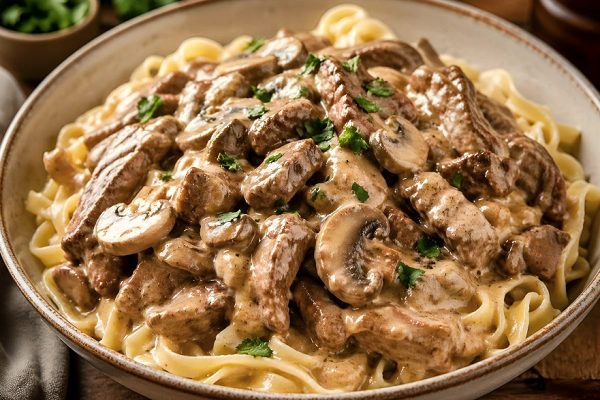
Rich, creamy, and deeply satisfying this gluten free beef stroganoff recipe delivers every bit of the classic comfort without any of the gluten. Even my family can’t tell the difference anymore.
10 minutes for preparation; 25 minutes for cooking; 35 minutes total; 4 servings
The Story Behind This Recipe
The day my daughter was diagnosed with celiac disease, I stood in my kitchen staring at a pot of beef stroganoff, her absolute favorite and felt completely lost. All-purpose flour thickens the sauce. Egg noodles are the base. How was I supposed to make this work?
That was three years ago. Since then, I tested this recipe over a dozen times, tweaked every variable, and eventually landed on a version that my entire family celiac or not requests on cold weeknights. The secret isn’t some complicated technique. It’s just knowing which swaps actually work and which ones are a disaster.
This gluten free beef stroganoff recipe is what came out of all that trial and error. It’s built on simple, real ingredients, takes about 35 minutes from start to finish, and produces a sauce that’s genuinely rich and silky, not watery, not starchy-tasting, not “good for gluten-free.”
Critical note on cross-contamination: If you or someone you’re cooking for has celiac disease (not just a sensitivity), check every single label before buying broth, Worcestershire sauce, sour cream, and even mustard can contain hidden gluten. Ingredients and formulas change, so always read the label on your specific bottle, in your specific country, before each purchase.
Ingredients And Why Each One Matters
Before we get into the steps, let me walk you through the ingredient choices. Understanding the “why” will help you adapt confidently if you need to swap something out.
For the beef and sauce:
- 1.5 lb beef sirloin or tenderloin, cut thin against the grain
- 2 tbsp olive oil or unsalted butter
- 1 medium yellow onion, thinly sliced
- 3 garlic cloves, minced
- 10 oz cremini mushrooms, sliced
- 2 tbsp cornstarch (certified gluten-free)
- 1.5 cups gluten-free beef broth
- 1 tbsp gluten-free Worcestershire sauce
- 1 tsp Dijon mustard (check label carefully)
- 1 cup full-fat sour cream
- Salt and black pepper to taste
- Fresh parsley for garnish
For serving pick one:
- 12 oz gluten-free pasta (rice or chickpea based)
- Mashed potatoes (naturally gluten-free and very authentic)
- White or brown rice
- Cauliflower mash (low carb option)
Choosing the Right Beef Cut
This is more important than most recipes let on. Sirloin and tenderloin cook quickly and stay tender when sliced thin. Avoid stew beef or chuck; they need hours of braising and will turn chewy if rushed. Ask your butcher to slice it for you, or partially freeze the meat at home for 20 minutes before slicing. It makes clean, thin cuts much easier.
The Thickener: Cornstarch vs. Gluten-Free Flour
I use cornstarch and it works beautifully. Mix it with a splash of cold broth before adding it to the pan. This is called a slurry and it dissolves instantly, producing a glossy, smooth sauce. A 1-to-1 gluten-free flour blend also works, but cornstarch gives you more control and a cleaner flavor.
One important thing: pure cornstarch is naturally gluten-free, but not all brands handle it safely. Look for cornstarch that is manufactured and packed in a dedicated gluten-free facility and tested for gluten-free integrity. This matters especially for celiac households.
Full-Fat Sour Cream Is Non-Negotiable
Low-fat or light sour cream breaks and curdles when it hits hot liquid. Full-fat holds its emulsion. Also and this is critical you must add the sour cream off the heat or on very low heat. Never let it boil after adding it. This single step is what separates a silky sauce from a grainy mess.
Worcestershire Sauce Read the Label Every Time
This is where many people make mistakes. Worcestershire sauce formulas differ by country and by brand. In the United States, several widely available brands use distilled white vinegar and carry a gluten-free label on the packaging. Outside the US including the UK and Canada many of those same brands switch to malt vinegar, which comes from barley and contains gluten.
The rule is simple: always read the label on the bottle you are holding, in the country you are in, before you buy. Do not assume a brand is safe based on what you read online, because formulas change.
Step-by-Step Instructions
Step 1 Start your pasta water first
Bring a large pot of salted water to a boil. Gluten-free pasta takes a few extra minutes, and you want it ready when the sauce is done, not the other way around.
Step 2 Prep the beef
Slice the sirloin into thin strips, about a quarter inch thick, against the grain. Pat completely dry with paper towels and season generously with salt and pepper. Dry meat browns wet meat steams. This step is not optional.
Step 3 Sear the beef in batches
Heat one tablespoon of oil in a wide skillet or Dutch oven over high heat. Add the beef in a single layer and do not crowd the pan. Sear for 60 to 90 seconds per side until deeply browned, then transfer to a plate. Repeat with the remaining beef. This builds the flavor foundation of the whole dish.
Step 4 Cook the onions and mushrooms
Reduce heat to medium-high. Add the remaining oil, then the onions. Cook for 3 to 4 minutes until soft. Add the mushrooms and don’t stir too much, let them brown for 4 to 5 minutes. Stir in the garlic and cook for 30 seconds more.
Step 5 Build the sauce
In a small bowl, whisk the cornstarch with a quarter cup of cold beef broth until completely smooth. Pour the remaining broth into the skillet, then add the Worcestershire sauce and Dijon mustard. Stir in the cornstarch slurry. Bring to a gentle simmer, stirring constantly, for 2 to 3 minutes until the sauce thickens and coats a spoon.
Step 6 Add the sour cream off the heat
Remove the pan from heat completely. Let it sit for one full minute to cool slightly. Then stir in the sour cream slowly until fully incorporated and silky. Bring the meat and any juices that have been sitting back to the pan. Taste and adjust salt and pepper.
Step 7 Serve immediately
Ladle over hot gluten-free noodles, mashed potatoes, or rice. Finish with fresh parsley. Stroganoff does not wait to serve it the moment it is done.
Pro Tips and Common Mistakes to Avoid
I messed up all of these times so you don’t have to.
Don’t skip the seat
A proper seat takes 3 to 4 extra minutes but it is the difference between a stroganoff that tastes like something and one that tastes like nothing. High heat, dry meat, don’t touch it. All that flavour is in that golden crust.
Never boil the sour cream
If the sauce is still bubbling when you add sour cream, it will break into a grainy, curdled mess. Pull the pan off the heat. Wait a full minute. Stir the sour cream slowly. You can return it to the lowest heat setting afterward to warm through, but it must never boil again.
Gluten-free pasta cooks differently
Rice-based and chickpea-based pasta clumps quickly if you let it sit. Cook it right before serving, drain it, and toss with a tiny bit of olive oil to prevent sticking. Rinse briefly with warm water to remove excess starch; this helps it stay firm instead of turning mushy in the sauce.
Watch the clock on GF pasta
Some gluten-free spaghetti can go from nicely cooked to very mushy in less than a minute. Set a timer, and start tasting two minutes before the packaging says.
Season in stages
Gluten-free broths vary widely in salt content. Season after the broth reduces, again after the sour cream goes in, and one final time right before serving.
Variations and Dietary Swaps
Once you know the base recipe, it is easy to adapt for different needs.
Can I Make It Dairy-Free Too?
Yes and it works really well. Use coconut cream (the thick kind from a can, not coconut milk) in place of sour cream. Add a teaspoon of lemon juice to bring back the slight tang. It will not be identical to the original, but it is rich and satisfying. Full-fat oat-based cream cheese, blended smooth, also works surprisingly well as a substitute.
Slow Cooker Version
Brown the beef and mushrooms first in a skillet. Do not skip this step then transfer everything except the sour cream to a slow cooker. Set the timer to 6 hours on low or 3 hours on high. Stir in the sour cream at the very end with the heat completely off, just before serving. This is what makes the steak so soft.
Storage and Reheating
Always store the sauce and pasta separately. Noodles left sitting in the sauce overnight soak up all the liquid and turn completely mushy by morning.
The sauce is kept in an airtight container in the refrigerator for up to 3 days. It also freezes well for up to 2 months, freezing the sauce alone, never with pasta. When reheating from frozen, thaw overnight in the fridge first. Reheat slowly on low heat in the stove, turning often. If the sauce gets a little separated, whisk in a little splash of warm broth to bring it back together. Do not microwave on high it will break the sour cream emulsion.
Leftover idea: Cold stroganoff sauce makes a brilliant filling for stuffed bell peppers. Add cooked rice, top with a little shredded cheese if you eat dairy, and bake at 375°F for 20 minutes.

James Carter is a food researcher and writer passionate about global cuisines, street food, and the stories behind what we eat. He combines thorough research with a genuine love for food culture to bring readers accurate, well-written, and interesting content.