The Best Fluffy Pancakes recipe you will fall in love with. Full of tips and tricks to help you make the best pancakes.

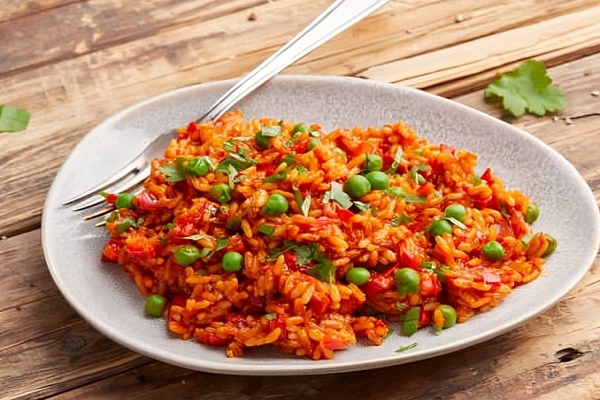
One pot. Basic vegetables. Thirty minutes. And somehow the result tastes like it took all day.
That’s djuvec. This djuvec recipe is about as straightforward as a Balkan rice dish that’s been a weeknight staple across Southeast Europe for generations, and once you make it, you’ll be upset that no one told you about it sooner.
Bell peppers, tomatoes, paprika, rice all cooked together until the whole thing becomes something far better than the sum of its parts. No fancy technique, no hard-to-find equipment. Just real food that actually delivers.
The Two Main Styles: Rice-Based vs. Vegetable Stew
Before we get into ingredients and method, it helps to understand that djuvec isn’t just one dish it comes in two quite different forms:
- Djuvec Rice — This is the more widely known version internationally. Rice is the base, cooked together with vegetables and broth until the grains absorb all the flavor. It can be a side dish or a full meal, with or without meat.
- Djuvec the Stew — Think of this as the Balkan answer to ratatouille. No rice, just a slow-simmered mix of vegetables (eggplant, peppers, tomatoes, zucchini) cooked down until they meld together. This version is often served alongside grilled meats or with a thick slice of bread.
Both are worth knowing. We’ll start with the rice version since that’s the one most people come looking for but stick around for the stew version too, because it’s genuinely underrated.
Djuvec Rice Recipe
Ingredients (Serves 4)
- 200g long-grain white rice (basmati works well too)
- 2 medium red bell peppers, diced
- 1 medium onion, finely chopped
- 3,4 garlic cloves, minced
- 2 medium tomatoes, chopped (or one 400g tin of crushed tomatoes)
- 2 tablespoons tomato paste
- 2 tablespoons ajvar (see note below)
- 150g frozen or fresh peas
- 1 tablespoon sweet paprika powder
- 600,700ml vegetable or chicken stock
- 3 tablespoons olive oil or sunflower oil
- Salt and pepper to taste
- Fresh parsley, chopped, to finish
Note on Ajvar: Ajvar is a roasted red pepper condiment from the Balkans — the base is always sweet red peppers, and many versions also include eggplant, though not all (Serbian and Macedonian styles sometimes skip it entirely).
Either way, it adds a smoky, slightly sweet depth to the dish that’s hard to replicate with anything else. You can find it at bigger grocery stores and online, usually in the section for ethnic goods.
If you genuinely can’t find it, a mix of roasted red pepper paste and a little smoked paprika comes close — but do try to track down the real thing.
Method
- Sweat the aromatics. Heat oil in a wide, deep pan over medium heat. Add the onion and cook for about 8–10 minutes until soft and translucent. Don’t rush this step, because a well-cooked onion is the flavor foundation of the dish. Stir for an additional minute after adding the garlic.
- Add peppers and cook down. Throw in the diced bell peppers and cook for another 12,15 minutes, stirring occasionally, until they’ve softened and started to sweeten.
- Add tomatoes and paste. Add the chopped tomatoes, tomato paste, ajvar, and paprika. Stir well and let everything cook together for about 10 minutes until the tomatoes have broken down and the mixture smells fragrant.
- Toast the rice Add the dry, uncooked rice directly into the vegetable mixture and stir for 1,2 minutes. This step coats the rice grains in oil and flavor, and gives the final dish a slightly nutty quality. Don’t skip it.
- Add stock and simmer Pour in the stock. Add the peas. Bring to a boil, then turn down the heat to a moderate simmer. Without a lid, cook for 20 to 25 minutes, stirring every so often. If the rice looks like it’s drying out before it’s cooked through, add a splash of hot water and keep going.
- Rest and serve When the rice is cooked and has absorbed most of the liquid it should be moist but not soupy to take it off the heat. Let it rest for 5 minutes with a lid on, then scatter over fresh parsley and serve.
How to Make Djuvec with Meat
Adding meat turns djuvec rice from a side dish into a proper main course. Here’s how to modify the following recipe:
- Pork (ribs, shoulder, or country-style cuts) — Brown cubed pork in the pan before starting the vegetables. Remove, set aside, and add back when you pour in the stock.
- Minced beef or pork — Brown the mince first, drain excess fat, then continue with the onion and vegetables.
- Chicken — Use thighs rather than breast for better flavor. Brown them whole or in pieces first, then nestle into the rice while it cooks.
- Lamb — Works beautifully, especially in the baked casserole version (see below).
One note: tougher cuts work better here than tender ones. Pork tenderloin or chicken breast will just dry out. You want cuts that can handle 25,30 minutes of simmering and still come out juicy.
The Baked Casserole Version (Traditional Oven Method)
This is arguably closer to the original, pre-stovetop version of djuvec layers of meat, rice, and vegetables baked slowly in the oven until everything melds together.
How it works:
- Brown your meat (pork, beef, or lamb) in a pan and set aside.
- Layer half the vegetables in a greased baking dish, followed by the browned meat, then the rice, then the remaining vegetables.
- Pour over crushed tomatoes and enough stock to just cover.
- Arrange sliced fresh tomatoes on top, these caramelize in the oven and create a beautiful crust.
- Cover with a lid or foil and bake at 175°C (350°F) for about 90 minutes to 2 hours, removing the cover for the last 30 minutes to let the top color.
The result is richer and more intensely flavored than the stovetop version. The tomato layer on top essentially bastes the dish as it bakes.
The Vegetable Stew Version (No Rice)
If you want to skip the rice entirely and make djuvec as a standalone vegetable dish, here’s a simple outline:
Core vegetables: Onion, garlic, bell peppers, eggplant, tomatoes, zucchini Method: Sauté onion and garlic, add diced vegetables in order of cooking time (peppers first, then eggplant and zucchini, tomatoes last), season with paprika, salt, pepper, and a bay leaf, and simmer on low heat until everything is soft and unified about 40,50 minutes.
Serve as a side dish heated or at room temperature. This version is naturally vegan and goes exceptionally well with grilled meats, bread, or polenta.
What to Serve with Djuvec
Djuvec rice is most traditionally served alongside ćevapčići (small grilled minced meat rolls) or ražnjići (pork skewers), and it’s a fixture at Balkan barbecues. However, it functions equally well with:
- Simple grilled chicken or fish
- Roasted vegetables
- A bowl of Greek-style yogurt or sour cream on the side
- A cold shopska salad (cucumber, tomato, white cheese)
If you’re serving it as a main course on its own, a piece of crusty bread alongside is all it really needs.
A Few Tips for Getting It Right
Don’t skip the toasting step. Frying the dry rice in the vegetable oil for a minute or two before adding liquid makes a noticeable difference to the texture of the finished dish.
Season in layers. Add a little salt when cooking the onions, a little more when the tomatoes go in, and taste again at the end. Djuvec should be well-seasoned throughout, not just on top.
Use good stock. Since the rice absorbs everything, what you cook it in matters. A decent vegetable or chicken stock, even from a cube, will outperform plain water every time.
The optimal time to carry it out is during the summer. Traditionally, djuvec is a late summer and early autumn dish made when bell peppers and tomatoes are at their peak. If you’re making it in winter, canned tomatoes actually work well, but fresh peppers are worth tracking down.
It keeps well. Djuvec rice stores in the fridge for up to 4,5 days and reheats well with a splash of water. The vegetable stew version is best within 1,2 days.
One Last Thing Before You Cook
There’s something genuinely appealing about a dish with no strict rules. Every family in the Balkans makes djuvec a little differently; some use eggplant, some don’t; some use ajvar, some use just tomato; some bake it, some do it on the stove. The dish takes in anything you put on it.
It’s also honest food. No special equipment, no obscure techniques, no list of 25 ingredients. Just a pot, some vegetables, some rice, and a bit of patience while it cooks.
When you lift the lid after 25 minutes and the whole kitchen smells of paprika and sweet peppers and something indefinably savory, you’ll understand why it’s been a family staple across an entire region for centuries.
FAQs
How do you pronounce djuvec?
It’s pronounced joo-vetch with a soft “j” sound at the start and a hard “ch” at the end.
Is djuvec the same as Giouvetsi?
They share the same Ottoman origin and name, but the Greek Giouvetsi typically uses orzo (kritharaki pasta) instead of rice, and often includes lamb or chicken. The flavor profiles are similar but the dishes are distinct.
Can I make djuvec without ajvar?
Yes. You can substitute with roasted red pepper paste or just increase the tomato paste and add a pinch of smoked paprika.
Is djuvec gluten-free?
The rice-based version is naturally gluten-free. Just make sure your stock is gluten-free too, and check the ajvar label since some brands add thickeners.
Can I use brown rice?
Technically yes, but it’ll take roughly twice as long and needs a lot more liquid. Honestly, it changes the texture enough that it stops feeling like djuvec. Stick to long-grain white rice or basmati for the real thing.

Rachel Bradley is a food writer and recipe developer with a love for home cooking and global flavors. She has spent years testing recipes in her kitchen, exploring everything from quick weeknight meals to traditional dishes from around the world. Her goal is simple — make great food accessible to everyone.