The Best Fluffy Pancakes recipe you will fall in love with. Full of tips and tricks to help you make the best pancakes.

Rice sits in almost every kitchen. It’s affordable, it cooks fast, and it works with nearly anything. But most people automatically pair it with chicken, beef, or fish as if rice without meat is somehow incomplete.
It isn’t.
Some of the most flavorful, filling meals in the world contain zero meat. These aren’t backup dishes for when the fridge is empty they’re proper, satisfying meals that home cooks across different cultures make every single day.
If you want to cook meatless rice dishes whether you’re watching your budget, eating lighter, or just trying something different this article is exactly for you. Everything here is simple, proven, and ready in 45 minutes or less.
Why Rice Dishes Without Meat Are Worth Making
Budget-Friendly Cooking
Rice is one of the most affordable staple foods on the planet. A bag of rice that costs a few dollars can feed a family multiple times. Remove meat from the equation and the cost of a meal drops significantly without sacrificing volume or satisfaction.
Lighter on the Stomach
Heavy meat-based meals can feel sluggish, especially at lunch or dinner. A vegetable rice dish digests more easily, leaves you satisfied without that overly full feeling, and is a smart option when you want something lighter.
Quicker to Cook
Most meatless rice dishes come together faster because you’re not waiting for meat to cook through safely. Vegetables cook quickly, pantry ingredients are already ready to use, and the whole meal often finishes in the time it takes the rice to cook.
Types of Rice That Work Best
Not all rice behaves the same way in the pan, and choosing the right type makes a real difference.
Long-grain white rice stays separate when cooked, making it ideal for fried rice, pilaf, and rice salads. It doesn’t clump, so each grain holds its shape.
Short-grain or sushi rice turns sticky when cooked exactly what you want for rice balls or any dish where the rice needs to hold together.
Basmati rice is a long-grain aromatic variety used widely in South Asian cooking. It cooks up fluffy and separates with a naturally nutty, floral aroma. Use it for biryanis and spiced rice dishes.
Brown rice keeps its outer bran layer, giving it a chewier texture and nuttier flavor. It cooks more slowly and has more fiber. It works well in grain bowls and stuffed vegetables.
Practical Tips Before You Start
These small habits consistently produce better results.
Rinse the rice first. Cold water removes excess surface starch and prevents the grains from clumping. Especially important for biryani and pilaf.
Get the water ratio right. Basmati needs about 1:1.5 (rice to water). Regular long-grain white rice uses closer to 1:2. Always check your package instructions, varieties differ and the package is the most reliable guide.
Let it rest after cooking. Keep the lid on for 5–10 minutes off the heat before fluffing. The steam redistributes evenly and finishes cooking the top layer.
Use day-old rice for fried rice. Fresh rice is too moist and turns mushy in the pan. Refrigerated overnight rice fries properly. If you only have fresh rice, spread it on a tray and let it air-dry for at least an hour.
The Dishes
1. Egg Fried Rice
Prep: 5 min | Cook: 12 min | Serves: 2–3 | Difficulty: Beginner
Egg fried rice is the most practical meatless rice dish there is. It started in Chinese home cooking as a way to use leftover rice, and home cooks around the world have been making it ever since. The result is savory, satisfying, and genuinely fast.
Ingredients
- 2 cups day-old cooked long-grain rice
- 3 eggs
- 2 tablespoons soy sauce
- 1 teaspoon sesame oil (optional)
- 3 garlic cloves, minced
- 1 cup mixed veggies (peas, chopped carrots, corn, fresh or frozen)
- 2 tablespoons neutral oil (vegetable or sunflower)
- Salt and white pepper to taste
- 2 spring onions, sliced (for garnish)
Step-by-Step Instructions
- Set a big skillet or wok over high heat until it starts to smoke. Add 1 tablespoon of oil.
- Add the garlic and stir for 30 seconds until fragrant and don’t let it burn.
- Add the vegetables and stir-fry for 2–3 minutes until just cooked. Push everything to the side.
- Add the rest of the oil to the other side of the pan. Crack in the eggs and scramble them until just set, then break them into pieces.
- Add the cold rice. Press it flat against the pan and let it sit for 30 seconds without stirring; this creates a slightly crisp texture.
- Toss everything together. Add soy sauce and sesame oil. Stir-fry for another 2 minutes.
- Taste and adjust salt. Add spring onions on top and serve right away.
Tips
- High heat is non-negotiable. The rice is steamed, not fried, over low heat.
- No sesame oil? Skip it, the dish still works fine without it.
- To make it vegan, replace eggs with crumbled firm tofu. Season the tofu with a pinch of turmeric and salt before adding.
What to Serve With It
Egg fried rice works well on its own. If you want something alongside, a simple cucumber salad with rice vinegar and a pinch of sugar balances the saltiness well.
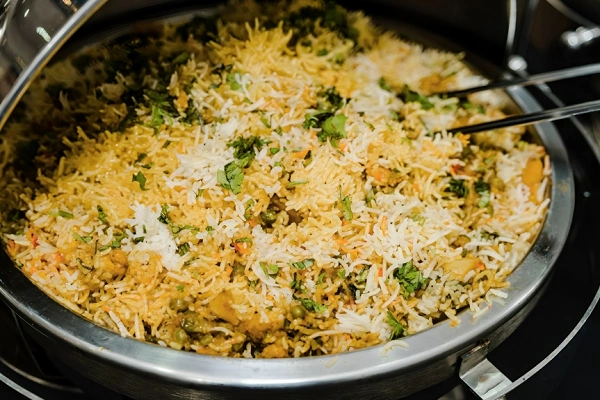
2. Vegetable Biryani
Prep: 20 min | Cook: 35 min | Serves: 4 | Difficulty: Intermediate
Biryani originated in the Indian subcontinent and has countless regional versions. The vegetable version is a full meal fragrant, layered, and far more rewarding than the effort suggests.
The technique involves par-cooking the rice and layering it over spiced vegetables, then finishing everything together so the rice absorbs the flavor from below.
Ingredients
For the vegetables:
- 2 tablespoons oil or ghee
- 1 large onion, thinly sliced
- 1 teaspoon cumin seeds
- 2 bay leaves
- 4 green cardamom pods
- 4 cloves
- 1 small cinnamon stick
- 1 tablespoon ginger-garlic paste
- 2 medium tomatoes, chopped
- 1 cup mixed vegetables (potato cubes, carrots, green beans, peas)
- 1 teaspoon coriander powder
- ½ teaspoon turmeric
- 1 teaspoon garam masala
- Salt to taste
- 3 tablespoons plain yogurt
For the rice:
- 1.5 cups basmati rice, rinsed and soaked for 20 minutes
- Water for boiling
- 1 bay leaf, 2 cloves, 1 cardamom pod
- Salt
Optional:
- 1/2 tablespoon of warm milk mixed with a pinch of saffron
- Fresh coriander and mint leaves
Step-by-Step Instructions
- Par-cook the rice. Bring a large pot of salted water to a boil with the whole spices. Add the soaked, drained basmati and cook for exactly 6–7 minutes the rice should be 70% cooked, still firm in the center. Drain and set aside.
- Cook the vegetable base. Heat oil in a heavy-bottomed pot over medium heat. Add cumin seeds, bay leaves, cardamom, cloves, and cinnamon. Let them sizzle for 30 seconds.
- Add the sliced onion and fry for 8–10 minutes until golden brown. The taste base is built in this step, don’t rush it.
- Add ginger-garlic paste and cook for 2 minutes. Add tomatoes and cook until they break down and the oil separates, about 5 minutes.
- Add the spice powders, salt, and vegetables. Stir well, then add yogurt. Cook for 5 minutes until the vegetables are half-cooked.
- Layer. Spread the par-cooked rice evenly over the vegetables. Drizzle the saffron milk on top if using. Scatter fresh herbs over the rice.
- Dum cook. Cover the pot with a tight-fitting lid (seal with foil if needed) and cook on the lowest heat for 15–20 minutes.
- Gently mix from the bottom up before serving so the layers combine without breaking the rice.
Tips
- Soaking the basmati for 20 minutes before cooking helps the grains elongate and cook evenly without breaking.
- No saffron? Use a small pinch of turmeric dissolved in warm milk for color.
- A heavy-bottomed pot matters. A thin pan will burn the bottom layer during dum cooking.
What to Serve With It
Raita plain yogurt with grated cucumber, cumin, and salt is the classic accompaniment. It cools the spice and balances the richness perfectly.
3. Tomato Rice South Indian Style
Prep: 10 min | Cook: 15 min | Serves: 2–3 | Difficulty: Beginner
Tomato rice is a South Indian staple known as thakkali sadam in Tamil thakkali meaning tomato, sadam meaning rice. It’s made by cooking a tomato-based tempering and tossing cooked rice through it. The result is tangy, spiced, and ready in well under 20 minutes.
It’s one of the most common lunchbox dishes in South India, eaten at room temperature and still full of flavor hours later.
Ingredients
- 2 cups cooked rice (you can use rice that you already have)
- 2 medium tomatoes, finely chopped
- 1 medium onion, sliced
- 2 tablespoons oil
- 1 teaspoon mustard seeds
- 1 teaspoon cumin seeds
- 8–10 curry leaves
- 2 dried red chilies
- ½ teaspoon turmeric
- 1 teaspoon coriander powder
- ½ tsp red chili powder (modify as per taste)
- Salt to taste
- Fresh coriander for garnish
Step-by-Step Instructions
- Heat oil in a wide pan over medium heat. Add mustard seeds and wait until they pop for about 30 seconds.
- Curry leaves, dried red peppers, and cumin seeds should be added. They will splutter, so stand back slightly. Let them fry for 20 seconds.
- Add the sliced onion and cook for 4–5 minutes until soft and lightly golden.
- Salt, turmeric, coriander powder, chili powder, and tomatoes should all be added. Cook on medium heat for 6–8 minutes, stirring occasionally, until the tomatoes fully break down and the oil separates from the mixture.
- Add the cooked rice. Mix gently but thoroughly so every grain is coated in the tempering. Cook together for 2 minutes on low heat.
- Taste and adjust salt. Garnish with fresh coriander.
Tips
- The tempering is the soul of this dish: mustard seeds, curry leaves, and dried chilies in hot oil. Don’t skip or rush this step.
- No curry leaves? The dish loses some character but still works.
- This dish tastes even better the next day as the rice fully absorbs the flavors overnight.
What to Serve With It
A small bowl of plain yogurt on the side cuts the tanginess and rounds the meal out. Papad or any thin crispy cracker works well alongside too.
4. Mujaddara (Lentils and Rice with Caramelized Onions)
Prep: 10 min | Cook: 45 min | Serves: 4 | Difficulty: Beginner
Mujaddara is a Middle Eastern dish of rice and lentils topped with deeply caramelized onions. It has roots in Arabic and Levantine cuisine and is considered one of the oldest vegetarian dishes in the Arab culinary tradition, a centuries-old preparation that has remained largely unchanged across generations.
What makes it nutritionally interesting is the rice-lentil combination. Together, they supply all essential amino acids, which means this dish provides complete protein without any meat.
Ingredients
- 1 cup brown or green lentils, rinsed
- 1 cup long-grain white rice, rinsed
- 3 large onions, thinly sliced
- 4 tablespoons olive oil
- 1 teaspoon cumin powder
- ½ teaspoon coriander powder
- ½ teaspoon black pepper
- Salt to taste
- 3.5 cups water
Step-by-Step Instructions
- Caramelize the onions. This is the most important step and cannot be rushed. Heat 3 tablespoons of olive oil in a wide pan over medium-low heat. Add the sliced onions with a pinch of salt. Cook for 30–35 minutes, stirring every few minutes, until they turn deep golden-brown and sweet. If they start to burn, lower the heat. Set aside half for topping.
- In a medium pot, combine lentils with 2 cups of water. Bring to a boil, then simmer for 15 minutes until partially cooked but not mushy. Drain.
- In the same pot, add the remaining tablespoon of olive oil over medium heat. Add the remaining caramelized onions, cumin, coriander, and black pepper. Stir for 1 minute.
- Add the par-cooked lentils and rinsed rice. Pour in 3.5 cups fresh water and salt generously. Bring to a boil.
- Reduce heat to low, cover tightly, and cook for 20 minutes until the rice is fully cooked and water is absorbed.
- Rest for 10 minutes, then fluff lightly.
- Serve topped with the reserved caramelized onions.
Tips
- The caramelized onions are what make this dish give them the full 30 minutes.
- Use brown or green lentils, not red. Red lentils turn mushy and completely change the texture.
- Leftovers keep well in the fridge for 3 days and reheat easily with a splash of water.
What to Serve With It
Plain yogurt, a simple tomato and cucumber salad, and warm flatbread turn mujaddara into a complete, proper meal.
5. Congee (Rice Porridge)
Prep: 5 min | Cook: 45–60 min | Serves: 3–4 | Difficulty: Beginner
Congee is a thick rice porridge eaten across East and Southeast Asia in China, Japan, Korea, Vietnam, Thailand, and the Philippines, each with their own version and toppings. It’s made by simmering rice in a large amount of water or broth until the grains completely break down into a smooth, creamy consistency.
Plain congee is intentionally mild. The flavor comes entirely from what you put on top. It’s a breakfast dish, a sick-day comfort meal, and a late-night option all in one.
Ingredients
- 1 cup jasmine or long-grain white rice, rinsed
- 8 cups water or vegetable broth (broth adds much more flavor)
- 1-inch piece of fresh ginger, sliced
- Salt to taste
Meatless topping options:
- Soft-boiled or poached egg
- Fried shallots
- Soy sauce and white pepper
- Sesame oil
- Pickled vegetables
- Sliced spring onions
- Crispy tofu cubes
Step-by-Step Instructions
- Combine rinsed rice, water or broth, and ginger slices in a large pot. Bring to a boil over high heat.
- Once boiling, reduce heat to low and simmer uncovered, stirring occasionally, for 45–60 minutes. The rice will gradually break down and the liquid will thicken. The longer it cooks, the creamier it gets.
- Add salt and remove the ginger slices.
- Ladle into bowls and add your chosen toppings at the table.
Tips
- use vegetable broth instead of water, it makes a huge difference in flavor.
- Pressure cooker method: cook on high pressure for 20 minutes with natural release.
- Slow cooker method: combine all ingredients before bed and cook on low overnight. Ready in the morning.
What to Serve With It
Congee is a full meal on its own when topped properly. Fried shallots, soy sauce, white pepper, and a soft-boiled egg is a classic combination that needs nothing else.
6. Spanish-Style Vegetable Rice (Arroz con Verduras)
Prep: 15 min | Cook: 30 min | Serves: 4 | Difficulty: Beginner
This dish comes from Spanish home cooking. Unlike recipes where rice and vegetables are cooked separately and combined, here everything cooks in a single pan the rice absorbs the tomato-vegetable broth directly as it cooks and picks up every bit of flavor in the process.
The key ingredient is smoked paprika, known in Spanish as pimentón ahumado. It gives the rice a warm, slightly smoky depth that makes the dish taste much more complex than the ingredient list suggests.
Ingredients
- 1.5 cups medium-grain rice (paella rice such as Bomba or Calasparra works best if unavailable, medium-grain rice is the closest substitute; note it may absorb slightly less liquid)
- 1 red bell pepper, diced
- 1 green bell pepper, diced
- 1 medium onion, finely diced
- 3 garlic cloves, minced
- 2 medium tomatoes, grated or finely chopped
- 1 cup frozen peas
- 3 cups vegetable broth (add an extra ¼ cup if using regular medium-grain rice)
- 3 tablespoons olive oil
- 1.5 teaspoons smoked paprika
- ½ teaspoon turmeric (for color)
- Salt and pepper to taste
- Fresh parsley for garnish
- Lemon wedges to serve
Step-by-Step Instructions
- Heat olive oil in a wide, shallow pan over medium heat. Add onion and cook for 4–5 minutes until soft.
- Add bell peppers and garlic. Cook for another 3–4 minutes until the peppers soften slightly.
- Add the tomatoes, smoked paprika, and turmeric. Stir well and cook for 3 minutes until the tomatoes break down and the mixture becomes a thick paste.
- Add the rice and stir to coat every grain in the vegetable mixture. Cook for 1 minute this lightly toasts the rice and improves the final texture.
- Pour in the warm vegetable broth. Season with salt and toss once to spread evenly. Do not stir again after this.”
- Lower the heat to medium-low once it starts to boil. Cook uncovered for 18–20 minutes until the rice absorbs the liquid and is fully cooked.
- Add frozen peas in the last 5 minutes of cooking.
- Rest off the heat for 5 minutes. Garnish with parsley and serve with lemon wedges.
Tips
- After adding the soup, do not stir. Stirring releases starch and makes the rice gluey.
- Smoked paprika is important here; regular sweet paprika gives a noticeably different result. If you can only find sweet paprika, add a tiny pinch of cumin to get closer to the smoky character.
- Always use warm broth. Cold broth drops the pan temperature and unevenly cooks the rice.
What to Serve With It
A simple green salad with olive oil and lemon is all this dish needs alongside it.
7. Onigiri (Japanese Rice Balls)
Prep: 15 min | Cook: 0 min (uses pre-cooked rice) | Serves: 2–3 | Difficulty: Beginner
Onigiri are hand-shaped Japanese rice balls made from short-grain rice and typically wrapped in nori (dried seaweed). They are one of the most common everyday foods in Japan sold in every convenience store, packed in every lunchbox, and eaten at any hour of the day.
Ingredients
- 2 cups Japanese short-grain rice (sushi rice)
- Water for cooking (follow your specific rice package instructions ratios vary by brand and variety)
- 1 teaspoon salt (for seasoning hands while shaping)
- Nori sheets, cut into strips or rectangles
- Optional fillings: pickled plum (umeboshi), seasoned sesame seeds, pickled vegetables, or seasoned seaweed
Step-by-Step Instructions
- Prepare rice according to package directions. Short-grain Japanese rice generally cooks for about 12 minutes on low heat after boiling, then rests covered for 10 minutes but follows your specific package for the correct water ratio.
- Let the rice cool slightly. It should be warm but handleable. Do not use cold rice as it won’t stick properly.
- Wet your hands with water and rub a small pinch of salt on your palms.
- Take about ¾ cup of warm rice and place it in one palm. If using a filling, press a small indentation in the center, add the filling, then cover with a little more rice.
- Cup both hands around the rice and press firmly while rotating, shaping it into a triangle or cylinder. Apply firm, even pressure the rice needs to hold together but not be crushed.
- Wrap the base with a strip of nori, or fully wrap if preferred.
- Eat right away or wrap in plastic for later. Store at room temperature not the fridge, which dries the rice out.
Tips
- Wet, lightly salted hands are essential. They season the rice lightly and prevent sticking.
- Only short-grain Japanese rice works here. Long-grain rice does not have the starch content needed to hold its shape.
- Onigiri should be eaten the same day they are made.
What to Serve With It
Miso soup is the natural companion. A small bowl of pickled vegetables alongside also works well.
8. Stuffed Bell Peppers with Rice and Vegetables
Prep: 20 min | Cook: 35 min | Serves: 4 | Difficulty: Beginner to Intermediate
Stuffed bell peppers appear in Mediterranean, American, and Eastern European cooking, each tradition with its own variation. The concept is universal: hollow out a pepper, fill it with seasoned rice and vegetables, and bake until the pepper is tender and the filling is hot throughout.
The pepper itself sweetens as it bakes and becomes part of the dish, not just a container.
Ingredients
- 4 large bell peppers, any color, seeded and de-stemmed
- 1.5 cups cooked long-grain or brown rice
- 1 medium onion, diced
- 3 garlic cloves, minced
- 1 medium zucchini, diced small
- 1 cup canned diced tomatoes (drained)
- ½ cup canned black beans or chickpeas, drained and rinsed
- 1 teaspoon cumin
- 1 teaspoon smoked paprika
- Salt and pepper to taste
- 2 tablespoons olive oil
- ½ cup shredded cheese (optional skip for vegan)
- Fresh parsley for garnish
Step-by-Step Instructions
- Preheat the oven to 190°C (375°F).
- Lightly brush the outside of the peppers with olive oil, place them upright in a baking dish, and bake empty for 10 minutes while you prepare the filling. This softens them slightly and prevents undercooked pepper around fully cooked filling.
- Heat the olive oil in a pan over medium heat. Add onion. After 4 minutes, the food should be soft. Stir in garlic; sauté 1 minute.
- Add zucchini and cook for 3 minutes. Add drained tomatoes, beans, cumin, smoked paprika, salt, and pepper. Stir and cook for 3 minutes.
- Remove from heat. Add the cooked rice and mix thoroughly. Taste and adjust seasoning; the filling should be well-seasoned before it goes into the peppers.
- Spoon the filling into the par-baked peppers, pressing gently to compact. Top with cheese if using.
- Rest for 5 minutes before serving. Garnish with parsley.
Tips
- Season the filling generously before stuffing. Once inside the pepper, you can’t adjust it.
- Any cooked grain works in place of rice quinoa and farro both substitute well.
- The pre-bake step for the empty peppers is worth doing every time.
What to Serve With It
A light green salad or simple tomato soup alongside makes this a complete dinner.
Food Safety: Storing Leftover Rice Correctly
This is worth stating clearly because it matters.
Cooked rice left at room temperature for more than two hours can develop harmful levels of Bacillus cereus , a bacteria that produces toxins which survive reheating. This means reheating rice that was left out does not make it safe.
The correct approach: cool cooked rice quickly within one hour of cooking, and refrigerate in an airtight container. Eat within one to two days. This is verified guidance from the NHS and food safety authorities in multiple countries.
Common Questions
Are these dishes nutritionally complete?
Rice alone is primarily a carbohydrate. The dishes that include legumes, mujaddara with lentils, stuffed peppers with black beans provide complete protein and are the most nutritionally balanced options on this list. Dishes with eggs or dairy add meaningful protein too. For a purely plant-based complete protein, the rice-lentil combination in mujaddara is the most efficient choice here.
Can all of these be made vegan?
Yes. Egg fried rice swaps the egg for crumbled firm tofu. Biryani uses oil instead of ghee. Stuffed peppers skip the cheese. Congee is already vegan when made with vegetable broth. Everything else is naturally vegan as written.
Which dish is best for a complete beginner?
Tomato rice or egg fried rice. Both use simple techniques, need minimal ingredients, and come together in under 15 minutes once the rice is cooked. Congee is also very forgiving; it’s hard to get wrong.
Which dish takes the most effort?
Vegetable biryani. It has the most steps and ingredients. But it’s also the most rewarding and once you’ve made it a couple of times, the process becomes straightforward.
Final Thoughts
Rice without meat is not a compromise. It’s a legitimate, satisfying way to cook and these eight dishes prove it across eight different food cultures.
Some of them carry centuries of culinary history. Others are practical enough that home cooks worldwide have made them their own. What they all share is this: they’re real food, they fill you up, and none of them require anything exotic to pull off.
Start with the one that looks most familiar. Once you’ve made it a couple of times, move to the next.

Rachel Bradley is a food writer and recipe developer with a love for home cooking and global flavors. She has spent years testing recipes in her kitchen, exploring everything from quick weeknight meals to traditional dishes from around the world. Her goal is simple — make great food accessible to everyone.