The Best Fluffy Pancakes recipe you will fall in love with. Full of tips and tricks to help you make the best pancakes.

If you cook even occasionally, you have probably grabbed the wrong spice jar at least once. The difference between cumin and coriander trips up beginners and experienced home cooks alike.
Both spices look similar in seed form, both appear in countless curry recipes, and both sit next to each other in the spice aisle. But they are not the same thing whatsoever.
Once you understand how they differ in taste, smell, appearance, and use, you will never mix them up again.
What Is Cumin?
Cumin comes from the dried seeds of Cuminum cyminum, a small flowering plant in the same family as parsley. It originated in the Mediterranean region and West Asia, and today it plays a starring role in Pakistan, Mexican, Middle Eastern, and North African cuisines.
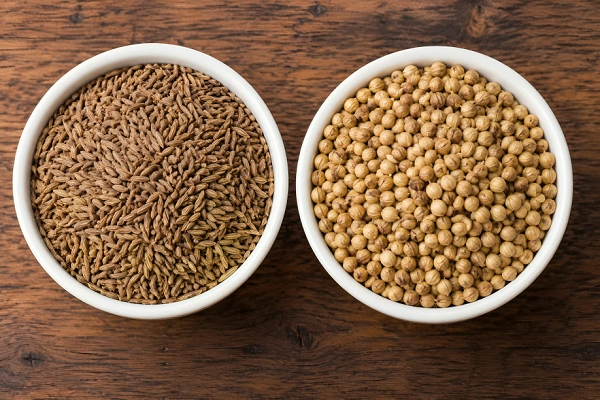
You can buy cumin as whole seeds or ground into a brownish powder. The seeds are long, thin, and slightly ridged; they look a bit like caraway seeds, which causes another round of kitchen confusion for beginners.
What makes cumin unforgettable is its flavor. It delivers a warm, earthy, slightly smoky taste with a faint bitterness underneath.
When you toast whole cumin seeds in a dry pan, the heat releases aromatic oils that fill the kitchen with an unmistakable nutty, robust scent. That smell alone tells you a dish is going to be bold and deeply savory.
What Is Coriander?
Coriander comes from Coriandrum sativum and this spice has a fascinating split personality. The seeds and the leaves (called cilantro in the US) come from the same plant but taste completely different. This article focuses on the seeds, which are the spice form used in cooking.
Coriander seeds are round, light tan, and slightly papery in texture. Grind them and you get a pale, creamy-beige powder with a delicate, citrusy, floral flavor.
The taste is much milder and gentler than cumin. People often describe it as warm citrus with a hint of sweetness like orange peel mixed with a subtle woody note.
Coriander is widely used in Pakistan, Middle Eastern, Southeast Asian, and European cuisines. It pairs naturally with sweet vegetables, legumes, and roasted meats, and blends effortlessly into complex spice mixes without dominating them.
Difference Between Cumin and Coriander
Here is a quick side-by-side comparison to keep things clear:
| Feature | Cumin | Coriander |
| Shape | Long, narrow, ridged | Round, smooth |
| Color | Dark brown | Light tan / beige |
| Flavor | Warm, earthy, smoky | Mild, citrusy, floral |
| Aroma | Strong, pungent, robust | Light, fresh, slightly sweet |
| Strength | Bold | Subtle |
| Common use | Curries, tacos, chili | Spice blends, soups, marinades |
| Pairs well with | Meat, root vegetables, legumes | Vegetables, lentils, poultry |
Cumin vs Coriander Taste
Taste is where these two spices are most clearly different.
Cumin hits you with intensity. It’s a smokey, earthy warmth that sits right at the front of your palate, and it hangs around. It adds a depth of flavor that grounds a dish, think of that unmistakable quality in a really good bowl of chili or a well-spiced biryani.
Coriander, on the other hand, is the lighter, brighter spice. Its mild citrus and floral notes lift a dish rather than anchor it. It adds freshness without overpowering everything else. In a curry, cumin builds the base while coriander rounds out the edges.
A simple way to remember it: cumin is bass notes, coriander is treble.
Cumin vs Coriander Appearance
Walk into any Pakistan grocery store and look at the seed bins. Here is how to tell them apart instantly:
Cumin seeds are elongated and narrow roughly 5 mm long. They have visible ridges running along their length and range in color from tan to dark brown. They look almost hairy under close inspection.
Coriander seeds are round and compact about 3–5 mm in diameter. They are smooth, hollow inside, and much lighter in color. They almost look like tiny pale footballs.
In powder form, cumin powder is a deeper brownish-tan, while coriander powder is lighter and more creamy-beige. If you ever find an unlabeled jar of brown powder, smell it cumin has a powerful, distinctive earthy punch that coriander simply does not have.
Cumin vs Coriander Aroma
Smell these two spices and the difference becomes impossible to ignore.
Cumin has a strong, warm, pungent aroma. Some people describe it as slightly funky or musky in the best possible way. When you toast cumin in oil, it blooms into something deeply aromatic that forms the backbone of thousands of traditional recipes.
Coriander has a lighter, cleaner scent. It has a mild citrus and fresh smell, almost floral. Toasted coriander seeds smell warm but gentle never overwhelming.
If you are building a spice blend, cumin is the spice that announces itself. Coriander supports the other flavors without dominating.
Cumin vs Coriander Uses in Cooking
Both spices are incredibly versatile, but they shine in different ways.
Cumin is essential in:
- Pakistan dishes like dal, biryani, and curries
- Mexican tacos, burritos, and enchilada sauce
- Chili (both American and Texas-style)
- Spice blends like taco seasoning and baharat
- Middle Eastern hummus and falafel
Coriander works best in:
- Curry powder and garam masala blends
- Marinades for chicken and lamb
- Lentil soups and dals
- Roasted vegetables and pickled foods
- Spiced baked goods in European cuisines
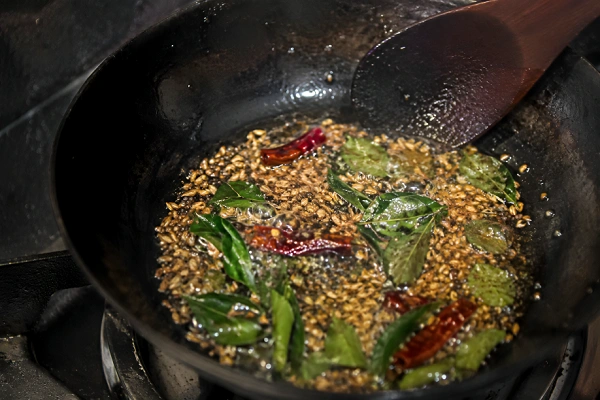
In Pakistan cooking especially, these two spices are almost always used together they show up in tempering, dry rubs, and wet masalas alike. The combination is so deeply embedded in the cuisine that most experienced cooks add them instinctively, without measuring.
Health Benefits of Cumin and Coriander
Both spices do more than flavor food. They have been used in traditional medicine for centuries, and modern research backs up many of those uses.
Cumin health benefits:
- Aids digestion by boosting the synthesis of digestive enzymes
- Contains iron, making it useful for people with low iron intake
- Rich in antioxidants, including terpenes and phenols, that fight oxidative stress
- Some studies suggest it may help with blood sugar management
- Traditionally used to relieve bloating and gas
Coriander health benefits:
- Contains antioxidants like quercetin and terpinene that reduce inflammation
- Shows antimicrobial properties in laboratory studies
- May aid with digestive health by minimizing bloating and discomfort
- Contains vitamin K, which supports bone health; the fresh leaves are also a good source of vitamin C
- Used in Ayurvedic and traditional medicine for cooling effects on the body
Neither spice is a miracle cure, but adding both to your regular cooking is an easy, delicious way to increase your intake of beneficial plant compounds.
Can You Substitute Cumin for Coriander?
This is one of the most typical questions that beginners ask. The short answer: you can, but expect a noticeably different result.
Using cumin instead of coriander: Cumin is much stronger and earthier. If you substitute it 1:1, the dish will taste deeper and more intense, and you will lose the citrusy freshness that coriander provides. Use about half the amount to avoid overpowering the recipe.
Using coriander instead of cumin: The dish will taste milder and brighter. The earthy backbone that cumin provides will be missing. You might want to add a small amount of caraway seeds to compensate, as caraway is closer in flavor profile to cumin.
When they work as substitutes:
- In large spice blends with many other ingredients, the swap is less noticeable
- In dishes where the spice plays a supporting role rather than starring
- When you are truly out of one and need to move forward with cooking
When they do not substitute well:
- Dishes where cumin is the dominant flavor (chili, tacos, jeera rice)
- Recipes where coriander’s citrus note is essential (some European spiced breads, certain chutneys)
It’s best to have a mix of the two if you’re low on one. Many traditional recipes actually call for both spices together anyway.
Why Are Cumin and Coriander Used Together?
This combination is not a coincidence it is one of the most time-tested flavor pairings in culinary history.
Cumin and coriander complement each other perfectly because they balance out each other’s extremes. Cumin’s boldness and earthiness need something to lighten them, and coriander’s mildness and floral notes need something to give them backbone.
Together they create a rounded, full-spectrum spice flavor that neither achieves alone. This is why most commercial curry powders contain both. Garam masala blends both. Standard Pakistan tadka (tempering) often starts with both.
The ratio is usually 2:1 or 1:1 in favor of cumin to coriander, but home cooks adjust based on preference. If you enjoy brighter, fresher flavors, use more coriander. If you want that deep, earthy warmth, lean into the cumin.
How to Store Cumin and Coriander
Proper storage keeps your spices potent and flavorful for longer.
Whole seeds (both cumin and coriander) last up to 2–4 years when stored properly. Whole seeds retain their essential oils much longer than ground spices.
Ground spices lose potency faster ground cumin and coriander powder are best used within 1–3 years for full flavor.
For both spices, follow these simple rules:
- Store in airtight glass jars or sealed containers
- Keep them away from heat, light, and humidity not above the stove
- Never shake spices directly over a steaming pot (moisture degrades them fast)
- Label your jars with date of purchase or opening
A quick freshness test: rub a pinch between your fingers and smell it. If the aroma is weak or flat, the spice has lost its potency and it is time to replace it.
Final Thoughts
The difference between cumin and coriander comes down to this: cumin is bold, earthy, and intense while coriander is mild, citrusy, and bright. They come from different plants, taste completely different, and serve different purposes in cooking even though they are almost always found next to each other in spice racks and recipes.
Both spices are worth keeping on hand. Used separately, each brings something distinct to a dish. Used together, they create one of the most satisfying flavor combinations in global cooking.
Once you learn to tell them apart by smell and taste, you will start reaching for each one with confidence and your cooking will be noticeably better for it.
FAQs
Is cumin the same as coriander?
No. Cumin and coriander come from entirely different plants and have distinct flavors. Cumin is earthy and bold; coriander is mild and citrusy. Both come from the Apiaceae family, but that doesn’t mean they taste the same. Carrots and parsley also come from the same family, but they don’t taste the same.
Which spice is stronger cumin or coriander?
Cumin is significantly stronger. It has a more pungent, intense aroma and a bolder flavor that stands out even in small amounts. Coriander is much more subtle and mild in comparison.
Can I use cumin instead of coriander?
Yes, but with caution. Cumin is much stronger, so use about half the amount called for. The dish will taste earthier and less bright. For best results, use a combination of cumin and a little caraway to approximate coriander’s flavor profile.
Why are cumin and coriander paired together so often?
Because they balance each other out. Cumin provides an earthy depth that coriander lacks, while coriander adds a citrusy brightness that softens cumin’s intensity. Together they create a more complex, rounded flavor than either spice achieves alone.
Which cuisines use cumin and coriander most?
Pakistan Mexican, Middle Eastern, and North African cuisines rely heavily on both spices. Pakistani cooking in particular uses them together constantly in spice blends like garam masala and curry powder, in tempering, and in marinades. Mexican cooking leans more heavily on cumin specifically, while Middle Eastern cuisines use both extensively.

James Carter is a food researcher and writer passionate about global cuisines, street food, and the stories behind what we eat. He combines thorough research with a genuine love for food culture to bring readers accurate, well-written, and interesting content.