The Best Fluffy Pancakes recipe you will fall in love with. Full of tips and tricks to help you make the best pancakes.

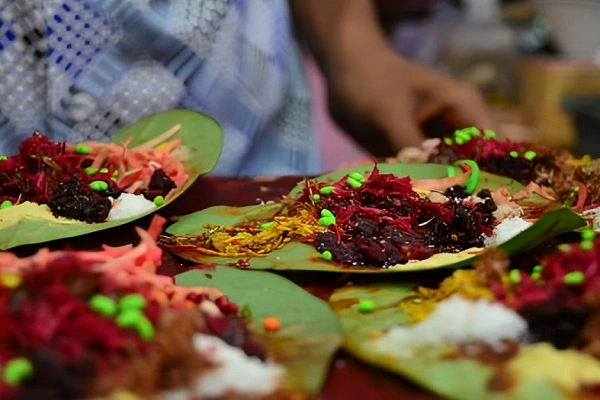
Making a paan recipe at home sounds tricky if you have never tried it before, but honestly it is much simpler than most people think. You just need fresh betel leaves, a handful of ingredients, and a little practice with the folding. Once you get the hang of it, you can make meetha paan, Banarasi paan, or even chocolate paan whenever you want, no paan shop required.
What Is Paan?
Paan is a traditional mouth freshener made by folding fillings inside a betel leaf. It has been eaten across South Asia for thousands of years at weddings, after meals, at religious gatherings. The betel leaf is called paan patta, and depending on what goes inside, paan can be sweet, savory, or somewhere in between.
The sweet version meetha paan is what most people mean when they say paan. It uses ingredients like gulkand, fennel seeds, coconut, and tutti frutti, all wrapped inside a fresh green betel leaf.
There is no tobacco in the recipes covered here. This is the simple, tobacco-free sweet paan that anyone can make and enjoy.
Ingredients Needed for Paan
The quality of your betel leaves matters more than anything else here. Look for leaves that are bright green, smooth, and flexible. If they are yellowing or have brown edges, skip them they will taste bitter and crack when you try to fold them.
The base:
- Fresh betel leaves — 4 to 6 pieces
- Chuna (edible lime paste) — use a very small amount
- Kattha (catechu paste) — optional
Sweet fillings:
- Gulkand (rose petal jam) — 2 tablespoons
- Fennel seeds (saunf) — 1 tablespoon
- Desiccated coconut — 1 tablespoon
- Tutti frutti — 1 tablespoon
- Cardamom powder — a pinch
- Mukhwas or mixed mouth freshener seeds — 1 teaspoon
- Silver foil (varak) — for a timeless style, but not necessary
- Maraschino cherry for garnish
Optional additions:
- Rose syrup — a few drops
- Supari (betel nut) — small pieces
- Paan masala — 1 teaspoon
One thing worth knowing about the measurements above are rough guides. Most people who make paan regularly do not measure anything precisely. You adjust based on taste, and that is completely fine.
How to Make Paan Step-by-Step
Step 1: Wash and Prep the Leaves
Wash each betel leaf under cold water and dry it gently. Trim any damaged edges with scissors. If the leaves feel stiff or dry, soak them in cold water for about five minutes before using. That means they shouldn’t break when you fold them.
Step 2: Apply the Base
Lay the leaf flat with the rough side facing up. Spread a very thin layer of chuna across the surface using the back of a spoon. Keep this light too much chuna overpowers everything else and can cause irritation. If you are using kattha, apply a light stroke on top of the chuna. Many people skip both of these entirely when making a simple sweet paan at home, and it works fine.
Step 3: Add the Fillings
Spoon a small amount of gulkand into the center of the leaf. Sprinkle fennel seeds, coconut, tutti frutti, and cardamom over it. Add mukhwas and a few drops of rose syrup if you want it sweeter. Keep the edges of the leaf clear this makes folding cleaner. Do not overload the leaf. Less filling folds better than more.
Step 4: Fold Into a Cone
Bring the left edge of the leaf over the filling toward the center. The right edge should then be folded over it. Pull the top point down and tuck it under to form a triangle or cone shape. Press firmly to hold the shape. It takes a few tries to get the fold tight and clean that is normal.
Step 5: Secure and Serve
Push a clove or toothpick through the tip of the fold to hold everything together. Place a piece of silver foil on top if you want the traditional look. Add a cherry or a few mukhwas seeds as garnish. Serve right away paan is best eaten fresh.
Different Types of Paan
Meetha Paan Recipe
Meetha paan is the most common variety. The filling is entirely sweet gulkand, fennel seeds, coconut, tutti frutti, a little rose syrup and there is no tobacco or strong spices. The silver foil and cherry on top are the finishing touch.
A few things that make meetha paan better:
- Use good quality gulkand it should be thick, not watery
- A small drop of mint essence gives it a refreshing coolness
- Silver foil is optional but gives the paan that familiar street-style look
Banarasi Paan Recipe
Banarasi paan comes from Varanasi and is considered the finest variety by most paan lovers. It uses a special thin betel leaf called magahi paan patta, which is softer and milder in flavor than regular leaves.
The filling is richer than standard meetha paan. Saffron goes into the gulkand. Finely chopped dry fruits like cashews, almonds, and raisins are added. A few drops of rose water and kewra essence give it a distinct floral aroma. It turns out to be thicker and savorier than a normal meetha paan.
If you cannot find magahi leaves, regular betel leaves work. It’ll taste a little different, but it’ll still be tasty.
Ingredients that set it apart:
- Saffron-infused gulkand
- Chopped cashews, almonds, raisins
- Rose water just 3 to 4 drops
- Kewra essence optional
- Generous silver foil
Chocolate Paan
Chocolate paan is a newer variation that has become very popular at weddings and events. The paan is folded the usual way and then dipped into melted chocolate. Once the chocolate sets, you get a crispy chocolate shell with sweet paan inside.
How to make it:
- Fold the paan using the meetha paan method above
- Use a double boiler to melt milk or dark chocolate
- Dip the folded paan fully into the chocolate
- Put on baking paper and chill for ten minutes
- Garnish with sprinkles, crushed pistachios, or edible gold if you like
- Serve cold
Tips for Making Perfect Paan
Use the freshest leaves you can find
This is not optional. Stale leaves crack, taste bitter, and make the whole thing unpleasant. Buy from a store that stocks them regularly and use them within a day or two.
Keep the chuna very thin
A common mistake is using too much. You barely need any just enough to coat the surface lightly. The flavor should come from the fillings, not the lime paste.
Refrigerate your gulkand
If your gulkand is runny, it will leak out while you fold and the whole thing becomes messy. Good gulkand is thick. If it is too soft, refrigerate it for an hour before using.
Practice the fold before serving
The folding technique feels awkward the first few times. Use a couple of leaves to practice before you make paan for others. Once you get the feel of it, it becomes quick.
Do not make them too far ahead
Paan goes soggy quickly. If you are making them for guests, fold them 20 to 30 minutes before serving and keep them covered with a damp cloth. Do not fold them hours in advance.
Health Benefits of Paan
Paan ingredients ke this section is general information only, not medical advice. For any health condition, always consult a qualified medical professional.
Supports digestion
Chewing betel leaves increases saliva production, which is the first step in the digestive process. This is why the tradition of eating paan after heavy meals has existed across South Asia for centuries.
It is worth noting though that claims about specific “digestive enzymes” in betel leaves are not fully proven by science the saliva stimulation part is accurate, but stronger claims beyond that have limited research support.
Works as a natural breath freshener
Fennel seeds, cardamom, and cloves are all well-established natural breath fresheners; this is why they appear in mukhwas and mouth freshener products worldwide. Some lab studies also show antibacterial properties in fennel and cardamom. However, these are laboratory findings and real-world clinical trials in humans remain limited.
Gulkand and body heat a traditional belief
Gulkand, made from rose petals, is considered a cooling food in Ayurvedic tradition and is commonly used to reduce body heat, especially during summer. This is a long-standing traditional and cultural practice. It is not a clinically proven medical fact, and no strong scientific studies have confirmed this effect to date.
Betel leaves contain antioxidant compounds
Some published research has found phenolic compounds and tannins in betel leaves, which have antioxidant properties in laboratory settings. This research exists and is legitimate, but it is still in early stages.
No definitive medical conclusions have been drawn from it yet, so it is better understood as an area of ongoing research rather than an established health benefit.
Important: Everything above applies only to tobacco-free sweet paan. Paan made with tobacco is scientifically and medically proven to be harmful it is directly linked to mouth cancer, gum disease, and other serious health conditions. This is not a matter of debate; it is an established medical fact.
Disclaimer: This part is only meant to give you general knowledge. You should not take anything in this as medical advice. Always speak to a qualified doctor or healthcare provider regarding any health concerns.
Wrapping Up
Paan is one of those things that looks complicated from the outside but becomes easy once you actually try it. The ingredients are straightforward, the steps are repeatable, and the folding gets better with practice. Start with a simple meetha paan, get the technique right, then move on to Banarasi or chocolate paan when you are comfortable.
Fresh ingredients, a light hand with the chuna, and good quality gulkand those three things make more difference than anything else.
FAQs
Can I skip the chuna?
Yes. Many people who make paan at home skip it completely. The paan will taste milder and less traditional, but it is still good. If you are making it for children or for people who have never had paan before, leaving out the chuna is a reasonable choice.
Where do I buy betel leaves? .
Indian grocery stores usually carry them, particularly in cities with a South Asian population. Some online Indian grocery retailers also stock them. Buy them fresh and use them quickly; they do not store well.
How long does paan stay fresh once folded?
Not long. Folded paan is best eaten within an hour. The leaf softens, the fillings release moisture, and the whole thing becomes soggy if left too long. Make them close to serving time.
Is it safe to eat paan regularly?
Tobacco-free sweet paan is generally considered safe when eaten occasionally and in moderation. The serious health risks associated with paan consumption are primarily linked to tobacco and excessive lime paste not to the sweet variety. That said, daily heavy consumption of any betel leaf product is not recommended without knowing your own health conditions.
What is the difference between meetha paan and Banarasi paan?
Meetha paan is a general term for any sweet paan. Banarasi paan is a specific regional variety from Varanasi that uses magahi betel leaves and premium fillings including saffron, dry fruits, and rose water. It is richer, more aromatic, and more indulgent than standard meetha paan.
Can I make paan in advance for a party?
All of the fillings should be made ahead of time and kept in different containers. Fold the paan 20 to 30 minutes before you need them. Cover with a damp cloth to stop the leaves from drying out. Folding them hours early is not recommended they will not hold up.

James Carter is a food researcher and writer passionate about global cuisines, street food, and the stories behind what we eat. He combines thorough research with a genuine love for food culture to bring readers accurate, well-written, and interesting content.