The Best Fluffy Pancakes recipe you will fall in love with. Full of tips and tricks to help you make the best pancakes.

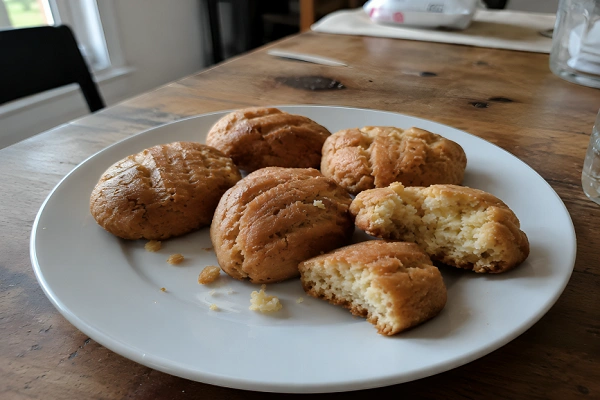
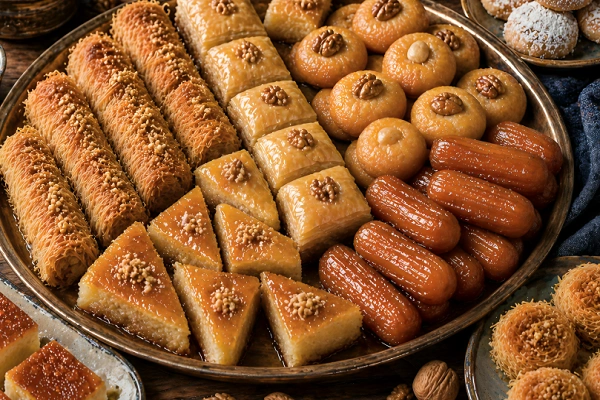
Sheqerpare brings back so many warm memories for me. These small, buttery shortbread cookies soaked in fragrant sugar syrup are a beloved traditional dessert across Albania and other Balkan countries. They have a delicate, melt-in-your-mouth texture with just the right balance of sweetness.
I’ve made this recipe many times, tweaking it based on family traditions and my own testing. Whether you’re new to Albanian cuisine or looking for an authentic version, this guide will help you create perfect sheqerpare at home.
What is Sheqerpare?
Sheqerpare (pronounced sheh-ker-pah-reh) translates to “sweet coins” or “sugar pastry.” The word comes from “sheqer” (sugar) in Albanian. While it is now a classic Albanian dessert, its roots trace back to the Turkish şekerpare, which became popular in the Balkans during the Ottoman period.
Different regions have their own touches. In Albania, cities like Dibra and Korça each have slight variations. You’ll also find similar versions in Kosovo, Macedonia, and Montenegro. Turkish versions often include semolina and pistachios, while the Albanian style usually stays simpler with walnuts or almonds.
Ingredients (Makes 12–15 cookies)
For the Dough:
- 4 eggs (3 egg yolks + 1 whole egg)
- 1 cup (200 g) granulated sugar
- 8 tablespoons (113 g / 1 stick) unsalted butter, melted and cooled
- 2¼ cups (280 g) all-purpose flour
- ¼ teaspoon baking soda
- 1 tablespoon vanilla extract
The Syrup:
- 2 cups (400 g) granulated sugar
- 2½ cups (600 ml) water
- 1 tablespoon vanilla extract
- 1 slice of fresh lemon (or 1 teaspoon lemon juice)
- Optional: 2–3 whole cloves for extra aroma
For Garnish:
- Whole or halved walnuts or almonds
Step-by-Step Instructions
1. Prepare the Syrup
In a medium saucepan, combine the sugar and water. Stir over medium heat until the sugar dissolves and the mixture comes to a boil. Add the lemon slice and vanilla (and cloves if using). Turn down the heat and let it cook slowly for 5 to 7 minutes. The syrup should be slightly thinner than you think it thickens as it cools. Remove from heat and set aside. Do not overcook, or it may crystallize.
2. Make the Dough
Allow the butter to melt and cool slightly. In a large bowl, whisk together the 3 egg yolks, 1 whole egg, and sugar until the mixture becomes pale and creamy (about 2–3 minutes).
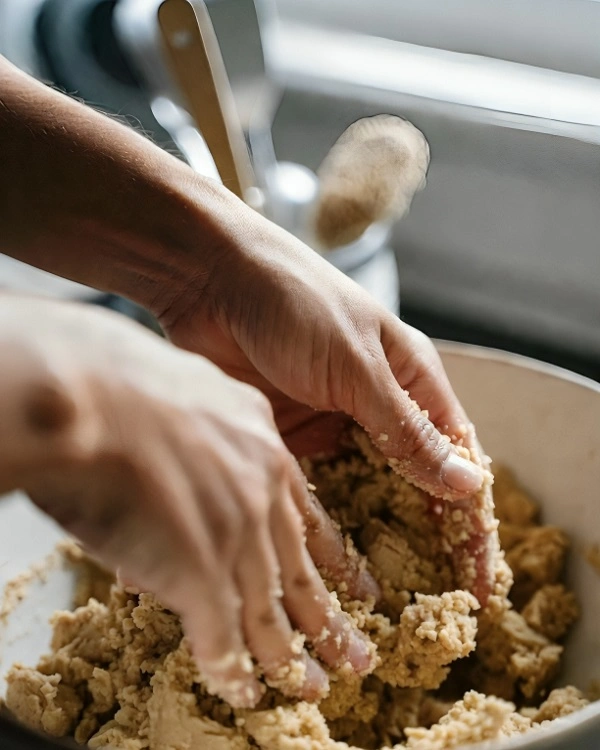
Slowly pour in the melted butter and vanilla while continuing to whisk.
In a separate bowl, mix the flour and baking soda. Gradually add this to the wet ingredients. Start with a whisk, then switch to a spatula or your hands. The dough will feel crumbly at first, this is normal. Work it together slowly until it forms a soft dough. If the kitchen is warm, chill the dough for 10–15 minutes.
3. Shape and Bake
Preheat your oven to 350°F (175°C). Line a baking sheet with parchment paper.
Divide the dough into 12–15 equal portions. Roll each into a smooth ball, then gently flatten into a thick cookie shape. Place them on the baking sheet about 1 inch apart.
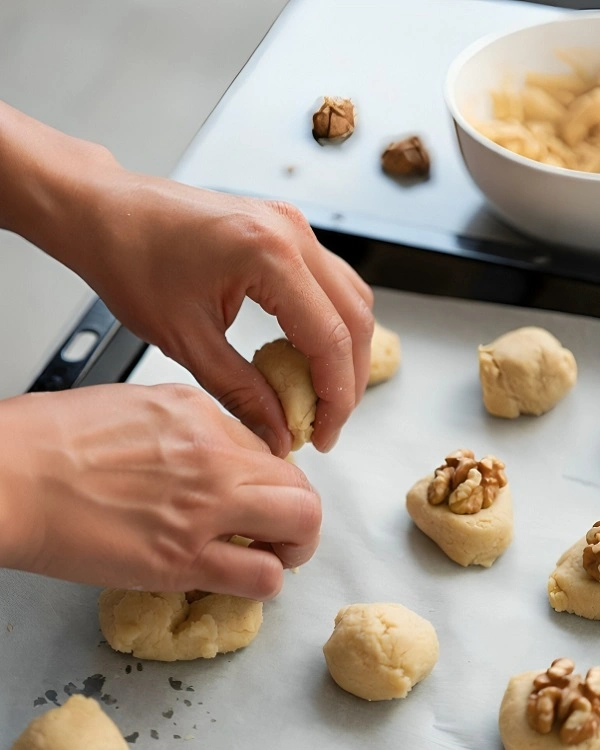
Press a walnut or almond into the center of each cookie and lightly score the top with a fork in a cross pattern.
Bake for 25–35 minutes, until the tops turn a beautiful golden-brown with reddish edges. Check from 23 minutes onward, as every oven is different. Let them cool slightly on the tray.
4. Soak the Cookies
While the cookies are still warm, pour the warm syrup over them (or pour cooled syrup over cooled cookies). Make sure they are well coated but not drowning.
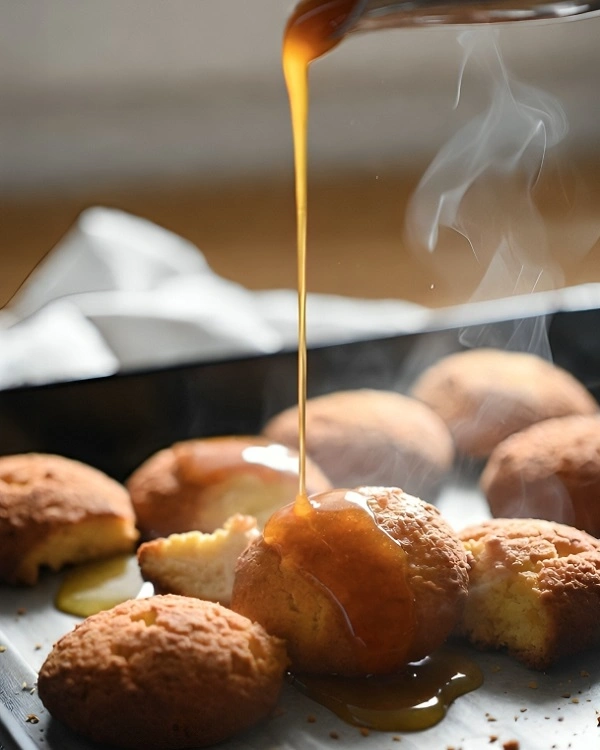
Allow them to absorb the syrup for at least 4–6 hours. They’re even better the next day, after all the flavors have mixed.
Helpful Tips from My Kitchen
- Use unsalted butter for the best flavor. A tiny pinch of salt is okay, but salted butter changes the taste.
- The syrup step is the trickiest part. Lemon helps prevent crystallization.
- If your first batch isn’t perfect, don’t worry practice makes them better.
- Bake in batches if needed so the cookies don’t touch and lose their shape while expanding.
Regional Variations
- Classic Albanian: Simple dough with walnuts.
- Turkish Style: Add 1–2 tablespoons of semolina to the dough and use pistachios.
- Modern Twists: Try a touch of orange zest or reduce sugar slightly for a lighter version.
How to Serve Sheqerpare
In Albania, sheqerpare is traditionally served to guests alongside Turkish coffee. Often paired with a small glass of raki for men or liqueur for women, plus a glass of water. It makes a wonderful addition to any celebration or afternoon coffee time.
Storage
Store in an airtight container at room temperature for up to 4–5 days. They keep well in the fridge for a week. You can also freeze them after soaking for longer storage.
Nutrition (Approximate per cookie)
- Calories: 310–330 kcal
- High in carbohydrates due to the syrup
- Contains protein from eggs and nuts
Conclusion
This sheqerpare recipe embodies Albanian hospitality for a good reason: Simple ingredients transform into something incredible. Post your feedback below and in the comments and let’s see your updates and photographs!
Enjoy with a strong cup of coffee. Afiyet olsun!
FAQs
Why are my sheqerpare hard instead of soft?
Usually due to thick syrup or under-soaking. Make sure syrup is light and cookies soak long enough.
Should syrup be hot or cold?
Best results come when both are warm or one is slightly warm. Avoid cold-on-cold.
Why did my syrup crystallize?
Overcooking or stirring too much after boiling. Lemon helps prevent this.
How do I fix overly sweet sheqerpare?
Reduce syrup sugar slightly or add a bit more lemon for balance.
Why did my cookies break after soaking?
They were either too soft before baking or over-soaked. Bake until properly firm.

James Carter is a food researcher and writer passionate about global cuisines, street food, and the stories behind what we eat. He combines thorough research with a genuine love for food culture to bring readers accurate, well-written, and interesting content.