The Best Fluffy Pancakes recipe you will fall in love with. Full of tips and tricks to help you make the best pancakes.

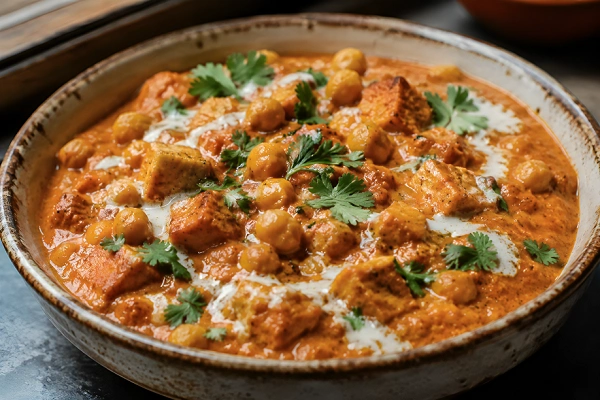
Making vegan tikka masala without cashews is completely possible and honestly, the results can be just as rich, creamy, and deeply flavored as any version that relies on cashew cream. Whether you have a nut allergy, a cashew intolerance, or simply ran out of them, there are several reliable ways to keep the sauce thick, velvety, and full of that signature warmth people associate with this dish.
What Is Tikka Masala, and Why Is It So Popular?
Tikka masala is a tomato-based curry with roots that are widely debated; most food historians trace it to Indian-British cuisine, though its exact origin remains contested. The name breaks down simply: “tikka” refers to marinated and grilled or roasted pieces of protein, while “masala” describes the spiced sauce they’re served in. Traditional restaurant versions use cream and butter alongside a complex spice blend to build that recognizable flavor.
The dish became enormously popular in the United Kingdom and the United States, where it’s a staple on Indian restaurant menus. Its flavor profile tangy, smoky, slightly sweet, and warmly spiced translates surprisingly well to a fully plant-based version.
The vegan adaptation swaps dairy cream for plant-based alternatives and replaces chicken with ingredients like tofu, chickpeas, or tempeh. Many recipes also call for cashew cream to add richness to the sauce. But the food doesn’t have to be bad when cashews aren’t there.
Why Recipes Use Cashews in the First Place
Cashews blend into an almost perfectly smooth cream silky, neutral in flavor, and thick enough to give curry sauce real body. Unlike coconut milk, they don’t bring their own flavor to the dish. That combination of texture and neutrality is why they became the default in so many vegan curry recipes, particularly in Western adaptations.
The problem is that cashews are also a common allergen, can be expensive, and aren’t always on hand. Fortunately, several other ingredients produce a sauce that’s just as rich in some cases, even more interesting.
The Best Cashew-Free Substitutes for a Creamy Sauce
Choosing the right substitute depends on your dietary needs and flavor preferences. Here are the most reliable options:
Coconut and Dairy-Free Cream Options
Full-fat coconut milk is the most widely recommended alternative. It adds a creamy texture and a gentle sweetness that pairs well with garam masala and cumin. There is a mild coconut flavor, but it blends naturally into the aromatic sauce and doesn’t taste out of place. Using coconut cream instead of regular coconut milk gives an even richer result.
Soy cream or oat cream works well for anyone avoiding both nuts and coconut. These dairy-free creams are neutral in flavor and produce a sauce that’s closer to what you’d get from traditional dairy cream. They’re also lower in saturated fat than coconut milk.
Nut-Free and Budget-Friendly Options
Sunflower seeds, when soaked and blended with water, produce a mild, neutral cream that works as a cashew-free base. The texture may be slightly less silky than cashew cream depending on your blender, so blending thoroughly and straining if needed gives the best result. This is a good option for those with tree nut allergies who can’t use any nuts at all.
Peanuts, ground or blended, are a budget-friendly option for those who don’t have a peanut allergy. They add a more noticeable earthy, nutty flavor compared to cashews. It works in the sauce but does change the overall taste profile slightly, so it’s worth keeping that in mind before substituting.
Choosing the Right Protein
One of the biggest decisions in a vegan tikka masala is which protein to use. Each option behaves differently and has its own strengths.
Extra firm tofu is a popular choice because it holds its shape well during cooking. Pressing it before marinating removes excess moisture, allowing the dairy-free yogurt marinade to penetrate properly. Baking at a high temperature before adding it to the sauce creates a firmer, chewier texture that holds up well in the tomato sauce.
Chickpeas (also called garbanzo beans) are the easiest option for weeknight cooking. They require no pressing, no baking, and minimal prep. As they simmer in the sauce they take on its flavor gradually, developing a satisfying, hearty texture. Canned chickpeas work perfectly, making this one of the most pantry-friendly versions of the dish.
Tempeh has a firmer, slightly nutty texture and a higher protein content than tofu. Steaming it before marinating opens up its dense structure so the spices can work their way in. It tastes better after soaking for longer, and it gets nice and crispy when fried in a pan or baked.
Soy curls and vegan chicken pieces are good options for anyone looking for a more chicken-like texture. These products soak up flavor quickly and do a convincing job of simulating the bite of the original dish.
The Spice Blend: What Makes It Taste Like Tikka Masala
The flavor of tikka masala comes entirely from its spices. Getting this right is non-negotiable.
Base Spices
Garam masala is the foundation. It’s a warming blend that typically includes cinnamon, cardamom, cloves, and black pepper though blends vary. Cumin powder and cumin seeds both appear in most authentic recipes; the seeds are often bloomed in hot oil at the start to release their flavor.
Coriander powder adds an earthy, citrusy note that balances the tomatoes. Turmeric gives the sauce its golden color and a subtle anti-inflammatory quality. Smoked paprika adds a gentle smokiness that compensates for the high-heat char most home kitchens can’t replicate.
Red chili powder controls the heat. For a mild dish, start with a quarter teaspoon. Kashmiri chili powder is worth using if available. It typically adds a deep red color with relatively moderate heat compared to regular chili powder, though heat levels can vary by brand, so tasting before adding is always a good idea.
Finishing Spices
Kasuri methi (dried fenugreek leaves) is one of the most underrated ingredients in this dish. Added at the end of cooking, it gives the sauce that unmistakable finishing quality — a slightly bitter, aromatic note that ties everything together and is immediately recognizable to anyone who’s eaten good tikka masala.
Fresh ginger and garlic, added early in the cooking process, build the aromatic base of the sauce alongside the onions.
How to Build the Sauce Step by Step
The process of making the sauce matters as much as the ingredients. Taking time at each stage builds depth of flavor that separates a genuinely satisfying curry from a mediocre one.
Step 1: Temper the Spices and Build the Base
Start with oil in a wide pan over medium heat. Add the cumin seeds first and let them sizzle for about 30 seconds. This step, called tempering or blooming, extracts fat-soluble flavor compounds from the spice. Then add the onions.
The onions need time. Cooking them for 8 to 10 minutes until deeply golden is not optional. Caramelized onions form the flavor base of the entire sauce more than any other variable, this determines whether the final dish tastes flat or genuinely layered.
Step 2: Add Aromatics and Ground Spices
Add the garlic and ginger next, then the ground spices. Stir constantly for about 2 minutes until the oil begins to separate from the mixture. This signals that the spices have cooked properly and their raw taste is gone.
Step 3: Simmer the Tomatoes
Add the canned tomatoes and let the sauce simmer for 10 to 12 minutes. At this point, decide on texture: for a smooth, silky consistency that coats the protein evenly, use an immersion blender directly in the pan, or transfer to a countertop blender let it cool slightly first to avoid steam buildup. An unblended sauce is chunkier and more rustic, and works just as well if that’s the preference. Either way, blending before adding the cream produces a noticeably more polished result.
Step 4: Add Cream, Protein, and Finish
Pour in the coconut milk or chosen cream substitute, then add the protein and kasuri methi. For another 10 minutes, simmer on low heat. Do not bring to a boil. Coconut milk in particular can separate if the heat is too high, so keeping it at a gentle simmer matters.
Step 5: Taste and Adjust
Taste and adjust before serving. A small amount of sugar or maple syrup balances the acidity of the tomatoes. Add salt gradually and check the spice level.
Why This Version Works Without a Tandoor
Traditional tikka masala uses a tandoor oven, a clay oven that reaches very high temperatures and imparts a distinctive char and smokiness to the protein. Most home kitchens don’t have one, but there are practical workarounds.
Baking marinated tofu or tempeh at 425°F (220°C) for 25 to 30 minutes gets reasonably close. The high heat drives off moisture quickly, which creates some browning and a slightly firmer texture. Flipping halfway through helps both sides develop color. A broiler setting in the last few minutes adds even more char and between that and the smoked paprika already in the sauce, the flavor gap is smaller than expected.
Storing and Meal Prepping
Vegan tikka masala stores exceptionally well, which makes it a reliable meal prep option.
Refrigerator Storage
In the refrigerator, the dish is kept for 3 to 4 days in an airtight container. The flavor actually improves after 24 hours as the spices continue to develop. The sauce will thicken slightly as it cools and add a splash of water when reheating.
Freezing Instructions
For longer storage, freeze the curry without the rice or grain side dish. Properly stored, it keeps for up to 3 months in the freezer. Thaw overnight in the refrigerator before reheating on the stovetop or in a microwave.
Chickpea-based variants freeze particularly well since chickpeas keep their texture better than tofu throughout the freeze-thaw cycle.
What to Serve It With
Basmati rice is the traditional pairing and the most common. The long-grain rice is light and aromatic, and it absorbs the sauce without becoming mushy. Brown rice or cauliflower rice are lower-carb alternatives.
Naan or roti are excellent for scooping up the sauce. Many store-bought naan options are vegan check the label for dairy. Pita bread works as a substitute when naan isn’t available.
A simple cucumber raita made with dairy-free yogurt cools the heat of the curry. Fresh cilantro (coriander leaves) and a squeeze of lemon juice added just before serving brighten the final dish considerably.
Mistakes and How to Avoid Them
Not pressing tofu properly
Tofu that still holds moisture won’t brown, it steams instead. Press it for at least 20 to 30 minutes before marinating, or use a dedicated tofu press. The difference in texture between pressed and unpressed tofu is night and day.
Adding tomatoes too early
The spices need a couple of minutes of direct heat to cook off their raw edge before the tomatoes go in. Adding tomatoes too soon traps that raw spice flavor in the sauce, and it never fully cooks out.
Under-seasoning at the end
The sauce changes significantly once the cream substitute is addedit dilutes the salt and spice levels. Always taste again after adding the coconut milk or soy cream, and adjust accordingly. A final pinch of garam masala stirred in right before serving also sharpens the flavor noticeably.
Skipping the resting time
Tikka masala genuinely tastes better after sitting for 15 to 20 minutes off the heat before serving. The spices continue to meld, the sauce thickens slightly, and the overall flavor rounds out. If time allows, making it a day ahead is even better.
Vegan tikka masala without cashews delivers every bit of the warmth, richness, and complexity that makes this dish a favorite. The right substitute, whether coconut milk, soy cream, or sunflower seed cream combined with a properly built aromatic base and a thoughtful spice blend, produces a curry that stands entirely on its own.
FAQs
Can this recipe be made completely nut-free?
Yes. Use full-fat coconut milk or soy cream in the sauce, and soy or oat yogurt for the marinade. Both work well without any compromise in texture.
Is this recipe gluten-free?
The curry itself contains no gluten. To keep the full meal gluten-free, serve with rice and use gluten-free naan or skip the bread entirely.
Can the dish be made oil-free?
The onions can be sautéed in vegetable broth or water instead of oil. Use about a quarter cup and add more as needed to prevent sticking. The flavor is slightly less rich, but the dish remains satisfying.
How spicy is it?
With half a teaspoon of red chili powder, the heat is medium noticeable but not overwhelming. Reduce to a quarter teaspoon for mild, or increase for more heat. Kashmiri chili powder is a good middle ground; it adds color without significant heat.

James Carter is a food researcher and writer passionate about global cuisines, street food, and the stories behind what we eat. He combines thorough research with a genuine love for food culture to bring readers accurate, well-written, and interesting content.