The Best Fluffy Pancakes recipe you will fall in love with. Full of tips and tricks to help you make the best pancakes.

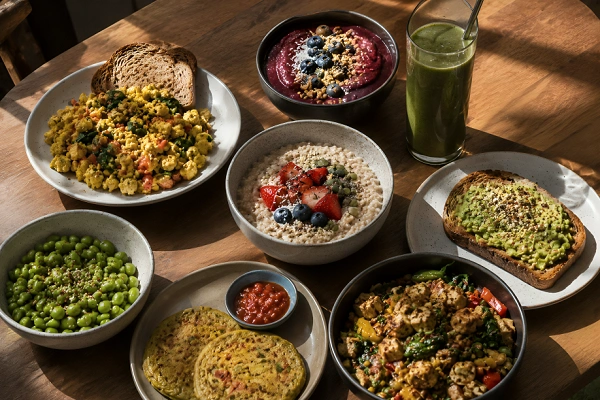
Most people assume that a high-protein breakfast automatically means eggs, Greek yogurt, or a chicken omelette. But plant-based eaters figured out a long time ago that this isn’t true. There are plenty of vegan breakfast ideas high protein that deliver 15 to 30 grams of protein per serving without any animal products at all.
Why Protein at Breakfast Actually Matters
Protein is the most satiating macronutrient. It slows gastric emptying, which means food stays in your stomach longer and keeps hunger signals quieter for several hours.
Nutrition research has consistently found that higher-protein breakfasts lead to reduced hunger and lower calorie intake later in the day this has been documented across multiple controlled trials comparing high-protein vs. high-carbohydrate morning meals of equal calories.
For vegans specifically, breakfast is often the easiest meal to neglect in terms of protein because many default options toast, fruit, oatmeal on its own are naturally lower in it. That’s not a problem if you know what to add or swap.
How Much Protein Do You Actually Need at Breakfast?
There’s no single universal number, but most nutrition guidelines suggest aiming for 20 to 35 grams of protein per meal if you want to meaningfully trigger muscle protein synthesis and fullness. For a lighter meal, even 15 grams is a solid baseline.
The goal here isn’t to obsess over numbers. It’s just useful to have some ideas so you can build a plate that works.
12 Vegan Breakfast Ideas High Protein
1. Tofu Scramble
Protein: ~30–34g per serving (200g firm tofu)
Firm or extra-firm tofu is one of the most underrated breakfast proteins. It scrambles almost exactly like eggs when cooked with a bit of turmeric, black salt (kala namak gives it a sulphurous, egg-like taste), garlic powder, and nutritional yeast.
Tofu is a complete protein, meaning it contains all nine essential amino acids. Per 100g, firm tofu delivers approximately 15–17g of protein according to USDA FoodData Central the exact amount depends on water content and how firmly it’s pressed.
Pair it with sautéed spinach, bell peppers, and a slice of whole grain toast and you’ve got a breakfast that could rival any diner plate.
2. Tempeh Bacon or Crumbled Tempeh
Protein: ~20g per 100g of tempeh
Tempeh is made from fermented whole soybeans, which means the protein is more bioavailable than regular tofu because fermentation breaks down some of the antinutrients like phytic acid. Also, it feels harder and meatier.
Slice it thin, marinate it in soy sauce, maple syrup, and smoked paprika, and pan-fry it. You get something that functions like bacon strips in a breakfast wrap or sandwich.
Alternatively, crumble it into a hash with potatoes and onions for a filling, high-protein skillet.
3. High-Protein Overnight Oats
Protein: ~20–25g per serving (with additions)
Plain oats have about 5g of protein per half cup decent but not exceptional. The trick is building around them.
A solid high-protein overnight oats recipe:
- ½ cup rolled oats (~5g protein)
- 1 cup soy milk (~7g protein, the highest among plant milks)
- 2 tbsp chia seeds (~4–5g protein)
- 2 tbsp hemp seeds (~6–7g protein)
- 1 tbsp almond butter (~3.5g protein)
Total: roughly 26g protein, and you prep it the night before, which makes mornings significantly easier.
4. Soy Milk Smoothie with Protein Powder
Protein: 30–40g per serving
A smoothie sounds basic, but it’s one of the fastest ways to hit high protein numbers in the morning. The key is using soy milk as the base rather than water or almond milk soy milk has 6–8g of protein per cup compared to almond milk’s 1g.
Add a scoop of pea protein or hemp protein powder (typically 20–25g per scoop) and you’re already in excellent territory. Blend with a frozen banana, a handful of spinach (tasteless, I promise), and a tablespoon of peanut butter for a complete breakfast in under 3 minutes.
5. Edamame and Grain Bowl
Protein: ~18–19g per serving
This one feels more like a lunch, but there’s no rule that breakfast has to look a certain way. A bowl of cooked quinoa (8g per cup, cooked) topped with shelled edamame (17–18g per cup, depending on whether fresh or frozen/prepared), a drizzle of sesame oil, and a sprinkle of sesame seeds is a deeply satisfying, protein-rich way to start the day.
Edamame are whole, immature soybeans. They’re a complete protein and also a good source of iron and folate.
6. Chickpea Flour Pancakes (Besan Chilla)
Protein: ~14–16g per 2 pancakes
Chickpea flour (besan) has roughly 22g of protein per 100g according to USDA data significantly more than wheat flour. In South Asian cooking, a thin savory pancake called chilla is made with besan, water, and spices like cumin, green chilli, and coriander.
It’s a breakfast option that’s been around for centuries, and it happens to be naturally high in protein and gluten-free. To make the batter more interesting, chop up onions and peppers very small.
This is something I tried at a friend’s house years ago and have been making regularly ever since. It’s quick, filling, and really tasty.
7. Peanut Butter on Whole Grain Toast with Hemp Seeds
Protein: ~19–23g for 2 slices
Simple, but the numbers are honest:
- 2 slices whole grain bread: ~6–8g protein
- 2 tbsp peanut butter: ~7–8g protein
- 2 tbsp hemp seeds sprinkled on top: ~6–7g protein
Hemp seeds are a particularly useful addition because they’re a complete protein (containing all essential amino acids) and blend into almost anything without changing the taste. They have a subtle, nutty flavour that actually works well with peanut butter toast.
8. Lentil Dal Breakfast Bowl
Protein: ~18g per cup cooked lentils
Lentils are a common breakfast food in many parts of the world, like India, Ethiopia, and Egypt. Red or green lentils cooked with cumin, garlic, and a splash of lemon juice make a warm, protein-rich bowl that keeps you full for hours.
Lentils are also high in iron and B vitamins, which is relevant for vegans who need to be more mindful of these nutrients. Red lentils cook in about 15 minutes without having to be soaked first. They’re cheap and easy to make.
9. Nut and Seed Granola with Soy Yogurt
Protein: ~18–22g per serving
Most commercial granola is heavy on oats and sugar, light on protein. Making your own changes that significantly.
A granola mix with rolled oats, pumpkin seeds, sunflower seeds, almonds, and walnuts baked with a little maple syrup and cinnamon delivers a much better protein-to-calorie ratio.
Serve over soy-based yogurt (not oat or coconut, which have minimal protein) for an additional 5–8g. Soy yogurt brands like Alpro and others like them have about 5g of protein per 100g serve, the same amount as dairy yogurt.
10. Pea Protein Porridge
Protein: ~25–30g per bowl
This is straightforward and effective. Cook oats in soy milk instead of water, then stir in a half scoop of unflavoured pea protein powder at the end (after removing from heat to avoid clumping). Top with nut butter and berries.
The protein powder dissolves better when added off the heat and stirred vigorously. Pea protein has a mild taste and doesn’t dramatically change the texture of porridge when mixed properly.
11. Black Bean Breakfast Burrito
Protein: ~20–22g per wrap
Black beans have about 15g of protein per cup (cooked) per USDA data. Wrap them in a large whole wheat tortilla with sautéed peppers, spinach, salsa, and avocado, and you have a proper breakfast burrito that’s fully plant-based and genuinely filling.
The avocado doesn’t add much protein (about 2g per half) but it adds healthy fats that help absorb fat-soluble vitamins and slow digestion further. You can prepare a batch of seasoned black beans on Sunday and assemble these in under 5 minutes on weekday mornings.
12. Seitan Breakfast Patty or Crumble
Protein: ~21–25g per 100g of cooked seitan
Seitan, which is made from wheat gluten, has the most protein of any popular plant protein. Cooked seitan typically delivers 21–25g of protein per 100g the exact amount varies based on how it’s prepared and what’s added during cooking.
It’s made from vital wheat gluten and is not suitable for anyone with celiac disease or gluten sensitivity, but for everyone else, it’s an exceptional protein source.
Formed into patties and pan-fried with herbs and spices, it works well in a breakfast sandwich. Crumbled and cooked with onion and bell pepper, it works as a scramble substitute.
Comparing Protein Content: Quick Reference
| Food | Approx. Protein per Serving |
| Seitan, cooked (100g) | 21–25g |
| Pea protein powder (1 scoop) | 20–25g |
| Firm tofu (200g) | ~30–34g |
| Tempeh (100g) | ~20g |
| Edamame, frozen prepared (1 cup) | 17–18g |
| Lentils, cooked (1 cup) | 18g |
| Hemp seeds (3 tbsp / ~30g) | ~10g |
| Soy milk (1 cup) | 7–8g |
| Chickpea flour/besan (½ cup dry) | ~11g |
| Rolled oats (½ cup dry) | 5g |
Things Worth Knowing About Plant Protein
Complete vs. Incomplete Proteins
Concerns about amino acid balance are common when it comes to plant-based protein. Most plant proteins (with the exception of soy, hemp, quinoa, and a few others) are “incomplete,” meaning they lack sufficient amounts of one or more essential amino acids.
But this isn’t as important in real life as it sounds. You don’t need to eat complementary proteins in the same meal just across the day. A varied plant-based diet naturally covers all essential amino acids without any special planning.
Protein Bioavailability
In general, plant proteins are a little harder to digest than animal proteins. The Digestible Indispensable Amino Acid Score (DIAAS) is the newest way to rate to see how good a protein is.
It shows that soy-based foods have the best protein quality (soy milk gets a score of 1.17 and tofu gets a score of 0.97 in some tests), followed by pea proteins (0.82 to 0.93).
Seitan scores lower despite being high in total protein, because wheat gluten is limited in the essential amino acid lysine. This is why relying solely on seitan isn’t ideal; it works best as part of a varied diet.
This means that if you’re relying heavily on one plant protein source, you may need slightly more of it to get the equivalent effect of an animal protein. This evens out on its own for most people who eat a variety of whole foods.
Tips for Building a High-Protein Vegan Breakfast Routine
- Batch prep where possible: Overnight oats, cooked lentils, roasted tofu, and black beans all keep well in the fridge for 3–4 days.
- Use soy milk as your default liquid: It has roughly 7–8g of protein per cup versus almond milk’s 1g a significant difference that adds up across the day in smoothies, porridge, or coffee.
- Don’t neglect seeds: Hemp, chia, and pumpkin seeds all have about 2–3g of protein per tablespoon, but when you mix them together, they add up fast.
- Pair with complex carbs and fats for sustained energy. Protein alone doesn’t guarantee a good morning if your blood sugar crashes from a lack of carbohydrates.
Final Thoughts
Getting adequate protein from a vegan breakfast isn’t complicated once you know which foods to work with. What we eat most of is tofu, tempeh, beans, soy-based foods, and nuts because they are versatile, easy to find, and good for us.
The options above aren’t theoretical. They are real, useful foods based on accurate nutritional information. Pick two or three that fit your routine and rotate them. That’s honestly all it takes.
Nutritional values referenced in this article are based on USDA FoodData Central and standard manufacturer data. Individual product protein content may vary slightly by brand.

Rachel Bradley is a food writer and recipe developer with a love for home cooking and global flavors. She has spent years testing recipes in her kitchen, exploring everything from quick weeknight meals to traditional dishes from around the world. Her goal is simple — make great food accessible to everyone.