The Best Fluffy Pancakes recipe you will fall in love with. Full of tips and tricks to help you make the best pancakes.

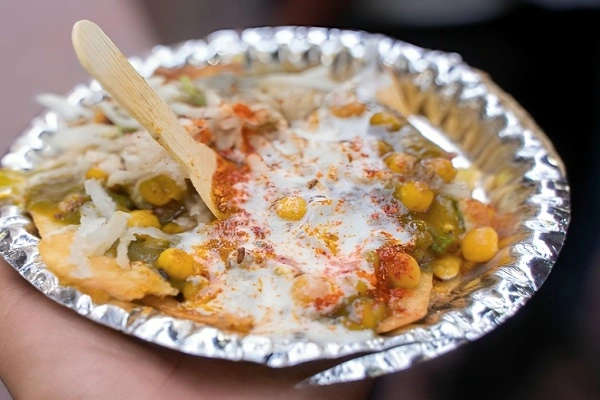
Evening tea always feels incomplete without something spicy on the side and the first thing that comes to mind is always aloo chaat recipe. Crispy potatoes, tangy tamarind, spicy green chutney, and that unmistakable aroma of chaat masala together create an experience that only real street food can deliver.
But stepping out is not always possible. Sometimes the weather is bad, sometimes you are short on time, and sometimes you just want that same flavor from the comfort of your own kitchen. That’s why this essay is here, to assist you achieve the same taste at home that you would get from a famous street stall in Lahore or Karachi.
Here is what you will find inside:
- A straightforward, methodical approach that anybody may use
- The secret to crispy potatoes that most recipes never mention
- Complete guide on chutneys, toppers and getting the spice balance perfect
- Healthy alternatives so you can cut the oil without losing any of the flavor
Whether you are making aloo chaat for the first time or you have tried before and the result did not turn out right this guide is written for you.
What Is Aloo Chaat?
Aloo chaat is a popular South Asian street food snack made from boiled or fried potatoes tossed with a blend of spices, tangy chutneys, and fresh toppings. “Chaat” comes from the Hindi and Urdu verb “chaatna,” which means “to lick.” This dish is so tasty that it will make you lick your fingers.
Chaat has a long history in Indian street food culture. According to food scientists, the dish’s modern forms can be traced back to at least the 17th and 18th centuries in northern India. It gradually spread across the entire region, picking up its own regional personality everywhere it landed.
Pakistani Aloo Chaat vs. Indian Aloo Chaat
Both versions share the same heart fried or boiled potatoes with spices but the flavor profile and toppings differ in meaningful ways.
Pakistani aloo chaat leans heavily on chaat masala, red chili powder, and tamarind chutney. Yogurt is either absent or used sparingly. Lemon juice and green chutney are almost always present, and the whole thing is typically served warm from a tawa in a small paper plate with a bamboo stick. Spicy and tangy with very little sweetness.
Indian aloo chaat especially the Delhi and Uttar Pradesh style features a generous drizzle of sweetened whipped yogurt alongside both chutneys. Sev, crushed papdi, and pomegranate seeds are common toppings. The sweet-tangy balance is more prominent than in the Pakistani version.
Both are worth making. This recipe covers the classic base that works for either style, with easy options to customize.
Why You Will Love This Recipe
- Under 30 minutes to prepare, no fancy tricks needed
- Uses simple, affordable ingredients available in any kitchen or grocery store
- Easily adjustable mild for kids, fiery for spice lovers
- serves as a small evening meal, party starter, or tea-time snack
- Perfect for Ramadan Iftar alongside pakoras, samosas, and dahi bhallay
- You control the oil fry, bake, or air fry depending on your preference
Ingredients Needed for Aloo Chaat Recipe
Below are the quantities for 3 to 4 people.
For the Potatoes
- 4 medium potatoes, boiled, peeled, and cubed
- Oil for frying or 2 tablespoons for baking or air frying
- Salt to taste
Spice Mix
- 1 teaspoon chaat masala the backbone of the dish, do not skip this
- ½ teaspoon roasted cumin powder
- ½ teaspoon red chili powder, adjusted to taste
- ¼ teaspoon black salt (kala namak)
- Turmeric, pinch, for colour only if you like
Chutneys
- 3 tablespoons tamarind chutney (imli chutney)
- 2 tablespoons green chutney (coriander, mint, green chili, garlic, lemon juice)
Fresh Toppings
- 1 small onion, finely chopped
- 1 medium tomato, finely chopped with seeds removed
- 2 tablespoons fresh coriander, roughly chopped
- 2 green chilies, finely chopped
- Juice of half a lemon
Optional Toppings
- Sev adds crunch and that traditional street food appearance
- Papdi fried crackers for extra texture
- 2 tablespoons plain yogurt, whisked smooth
- Pomegranate seeds for a fruity sweetness
- Boiled chickpeas for a heartier, more filling version
Best Potatoes for Aloo Chaat
Not all potatoes behave the same way in the fryer, and choosing the right one makes a real difference.
Waxy potatoes like red potatoes or Yukon Gold hold their shape well after boiling and frying. You get satisfying intact cubes rather than a crumbled mess, the safer choice for beginners.
Starchy potatoes like Russet get crispier on the outside but can break apart if over-boiled. They work well if you want maximum crunch, but you have to keep an eye on the boiling time.
In Pakistan and India, the standard white or yellow potatoes from local markets work perfectly. They work well whether you fry, bake, or air fry them because they have the right amount of starch.
All of them should be boiled until they are just fork-tender. The fork should enter with slight resistance, not slide through effortlessly. This single habit separates crispy aloo chaat from a soggy disappointment.
Step-by-Step Instructions for Making Aloo Chaat
Step 1: Boil the Potatoes
Wash the potatoes and boil them with their skins on in well-salted water for 15 to 20 minutes depending on size. Test by pressing a fork gently against the side it should enter with slight resistance. Once they’re done, drain them right away and let them cool completely before peeling. Do not rush this cooling step.
Step 2: Cool and Cube
Once the potatoes are at room temperature or, even better, after being in the fridge for 30 minutes, peel them and cut them into 2 to 3 cm cubes that are easy to eat. Potatoes keep their shape better when cold and absorb considerably less oil while cooking.
Step 3: Fry Until Golden and Crispy
Heat oil in a heavy-bottomed pan or kadai to around 175°C (350°F). Fry the potato cubes in small batches this is critical. Add too many at once and the oil temperature drops, giving you pale, greasy potatoes instead of golden crispy ones. Fry each batch for 4 to 5 minutes until evenly browned, then drain on kitchen paper.
Double fry method for extra crispiness: Fry once at 160°C for 3 minutes, remove and rest for 5 minutes, then fry again at 185°C for 2 to 3 minutes. The shell will stay crunchy for a lot longer if you use the same method that makes great french fries.
Step 4: Season While Hot
While the potatoes are still hot from the fryer, immediately sprinkle the chaat masala, red chili powder, roasted cumin powder, black salt, and regular salt over them. Gently toss so that all the pieces get covered evenly. Heat helps the spices bloom and adhere to the surface far better than they would on cooled potatoes.
Step 5: Add Toppings and Chutneys
Transfer the seasoned potatoes to a serving plate. Put in the tomato, green chilies, chopped onion, and fresh cilantro. If using yogurt, add it now. Last, add the green and tamarind chutneys and drizzle them over everything.
Step 6: Finish and Serve
Scatter sev, papdi, and pomegranate seeds on top if using. Bring it straight to the table — this dish is best eaten the moment it is assembled.
Tips for Crispy Street Style Aloo Chaat
Dry the potatoes before frying
After cutting, pat every cube dry with a kitchen towel. Surface moisture causes oil to splatter and prevents proper browning.
Always cool the potatoes completely
Warm potatoes fall apart in the fryer and absorb more oil. Refrigerating them for 30 minutes before frying gives noticeably better results.
Fry in small batches
This is the most commonly ignored step. One crowded pan ruins the entire batch. The temperature drops the moment too many cold potatoes hit the oil.
Season the potatoes hot
Spices stick to the surface much better immediately after frying than on cooled potatoes.
Add the chutneys at the very last moment
Chutney moisture softens potatoes quickly and assembles only when you are genuinely ready to eat.
Use fresh green chutney when possible
Mint-coriander salsa from the store will do in a pinch, but making it yourself is much better and tastes much different.
Variations of Aloo Chaat
Pakistani Aloo Chaat
Heavy on chaat masala, red chili, and tamarind. Minimal or no yogurt. Served warm from a roadside tawa in a small paper plate. Deeply spicy and tangy the version most people across Pakistan grow up eating.
Indian Aloo Chaat (Delhi Style)
Sometimes made with potatoes fried in desi ghee for extra richness. Topped generously with sweetened whipped yogurt, both chutneys, sev, and crushed papdi. The sweet-tangy balance is more pronounced than in the Pakistani version.
Sweet and Spicy Aloo Chaat
Increase the tamarind chutney and stir in a teaspoon of jaggery or date syrup. Add more chili spice to counteract the sweetness. This combination works particularly well for guests who enjoy complex layered flavors.
Fruit Aloo Chaat
A beloved Ramadan and summer variation popular across both Pakistan and India. Sliced banana, diced apple, pomegranate seeds, and orange segments join the potatoes. The fruit adds natural sweetness and freshness that pairs beautifully with the warm spices.
Chickpea Aloo Chaat (Chana Aloo Chaat)
Add a tin of boiled chickpeas drained and rinsed to the spiced potatoes. Heartier, more filling, and nutritionally stronger. A great option when you want the dish to serve as a light meal rather than just a snack.
Common Mistakes to Avoid
Over-boiling the potatoes
Mushy potatoes will never crisp up regardless of how long or how hot you fry them. This is the single most common reason homemade aloo chaat fails.
Frying potatoes that are still wet or warm
The surface wetness stops proper browning and the warm potatoes soak up more oil. Both steps cooling and drying matter equally.
Unbalanced seasoning
Aloo chaat depends on the careful interplay between salty, sour, spicy, and sometimes sweet. Taste after seasoning and adjust before adding any toppings.
Skipping kala namak
Regular salt alone cannot replicate authentic chaat flavor. Black salt is what gives chaat its distinctive earthy, sulfurous tang. It is not optional if you want the real thing.
Assembling too early
Prepare everything in advance, but bring the dish together only when everyone is seated and ready to eat.
Storage and Reheating Tips
Aloo chaat is best eaten right after assembly. If you need to prepare in advance, store everything separately:
- Keep fried potatoes, chutneys, and chopped vegetables in individual airtight containers in the refrigerator for up to 24 hours
- To restore crispiness, reheat the potatoes in an air fryer at 180°C for 5 to 6 minutes. This is for reheating already-cooked potatoes, not for cooking fresh ones or using a dry non-stick pan on medium-high heat. Avoid the microwave; it makes them soft and rubbery
- Freshly made green chutney keeps in a sealed jar in the refrigerator for up to 3 days
- Tamarind chutney stores well refrigerated for 2 to 3 weeks
- Assemble only when ready to serve never store the fully assembled dish
Nutritional Information (Per Serving, Approx. 4 Servings)
| Nutrient | Air Fried / Baked | Deep Fried |
| Calories | 210–240 kcal | 260–300 kcal |
| Carbohydrates | 35–40 g | 36–42 g |
| Protein | 4–5 g | 4–5 g |
| Fat | 5–8 g | 12–16 g |
| Fiber | 4–5 g | 4–5 g |
| Sodium | 400–550 mg | 420–570 mg |
These are estimates based on standard food composition data. Actual values vary based on portion size, exact ingredients, and oil absorption during frying. Adding yogurt increases protein. Adding boiled chickpeas significantly boosts both fiber and protein.
Conclusion
Aloo chaat is a good example of the fact that good food need not be difficult. A handful of pantry staples, two chutneys, and roughly half an hour that is genuinely all it takes to recreate proper street-style potato chaat at home.
Once you make it yourself, you discover how much control you have over the flavors. Dial up the heat, lean into the tang, go heavy on the sev, add chickpeas for a more complete meal there is no wrong direction here as long as the result makes you want more.
Start with the classic recipe, get comfortable with the spice balance, and then explore the variations. Try the fruit version during Ramadan, the dahi style on a hot summer evening, or the chickpea variation when you want something more substantial.
Give this recipe a try and if someone in your house has been craving proper street food, this is your answer. Happy cooking.
FAQs
Can I make aloo chaat without frying?
Yes. Bake at 220°C for 25 to 30 minutes or air fry at 200°C for 18 to 20 minutes with just one to two tablespoons of oil. The air fryer version comes closest to the deep-fried texture. The spices, chutneys, and fresh toppings deliver the same bold flavor regardless of which method you use.
Which potatoes are best for aloo chaat?
Waxy potatoes with medium starch content work best because they hold their shape after boiling and frying. Standard white or yellow potatoes from local markets are ideal. Stop boiling the moment a fork enters with slight resistance. That single habit makes more difference than the potato variety.
Is aloo chaat spicy?
Traditional Pakistani aloo chaat is quite spicy. However, the heat level is entirely in your hands. For a tangy flavor without the heat, reduce or skip the green chilies and chili powder and increase the amount of tamarind chutney. Chaat masala has mild warmth but is not overwhelming on its own.
Can I prepare aloo chaat ahead of time?
Prepare all components separately, fry the potatoes, make both chutneys, and chop the vegetables. Store each in a separate jar in the fridge. When ready to serve, reheat the potatoes to restore their crispiness, then assemble and bring straight to the table.
What chutneys are used in aloo chaat?
Two chutneys work together to create the signature flavor. Tamarind chutney (imli chutney) is sweet, sour, and slightly sticky made from tamarind pulp, jaggery or sugar, and warming spices. Green chutney is fresh, herby, and spicy made by blending coriander, mint, green chilies, garlic, and lemon juice.
Is aloo chaat vegan?
Yes. The base recipe is completely plant-based potatoes, spices, chutneys, onion, tomato, and fresh herbs contain no animal products. Yogurt is the only non-vegan element and it is entirely optional. Sev and papdi are typically made from chickpea flour and wheat flour respectively both plant-based but some commercial brands use ghee, so checking the label is worthwhile.

James Carter is a food researcher and writer passionate about global cuisines, street food, and the stories behind what we eat. He combines thorough research with a genuine love for food culture to bring readers accurate, well-written, and interesting content.