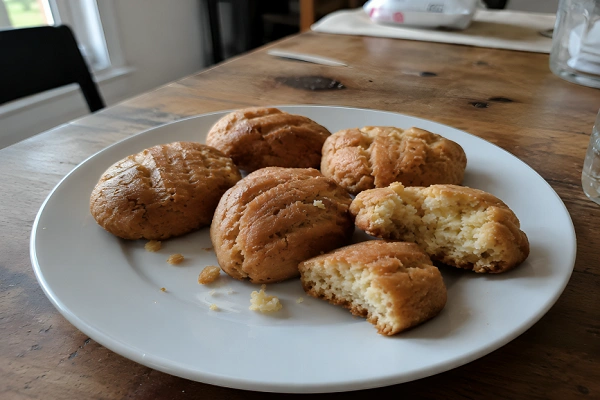
The Best Fluffy Pancakes recipe you will fall in love with. Full of tips and tricks to help you make the best pancakes.

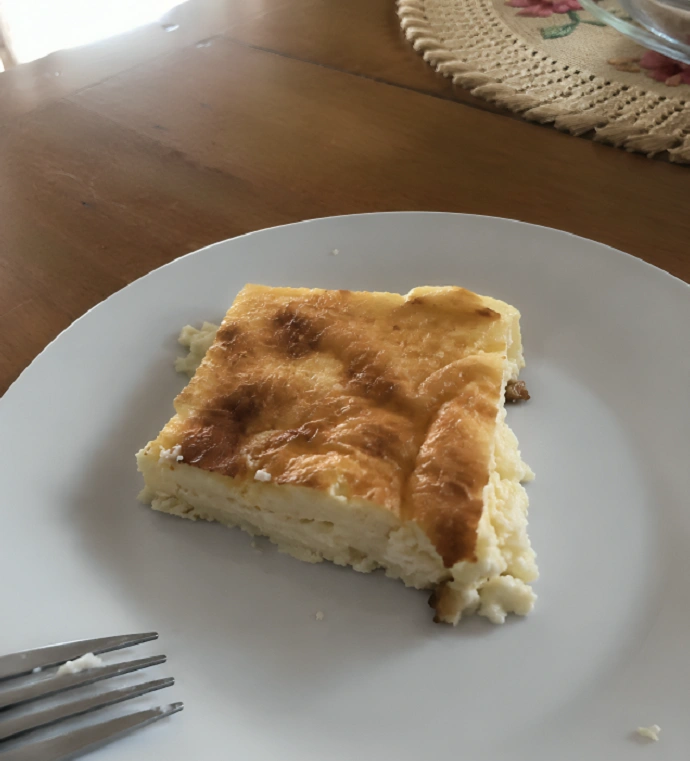
Milk, eggs, flour, butter, sugar that’s it. Five ingredients, no elaborate technique, no fancy presentation. And yet qumështor has outlasted empires, survived a communist ban on religion, and still shows up on Albanian tables today, carrying the weight of generations with it. That’s a lot for a custard to carry.
What Does “Qumështor” Actually Mean?
The word comes straight from the Albanian “qumësht,” which simply means milk. So qumështor is, at its core, the milky thing the dish is defined by its central ingredient. Albanian food naming doesn’t overcomplicate things, and neither does the dish itself.
The Cultural and Religious Roots of Qumështor
Qumështor is a traditional Albanian baked custard made with eggs, milk, flour, butter, and sugar. It has always been closely tied to the Orthodox Christian population of southeastern Albania, who eat it in the days just before Lent begins.
Lent is a 40-day period of strict fasting with no meat, no dairy, no eggs. So in the days just before it starts, families cooked the richest things they could with what they had. Qumështor, packed with milk and eggs, was a natural choice. A last feast before the long quiet.
What Happened During Communist Albania?
This is what most people don’t know about the story. In 1967, Albania’s communist regime launched one of the most radical anti-religious campaigns in Europe. Within months, hundreds of churches and mosques were destroyed or shut down, and Albania was officially declared the world’s first atheist state. Any public expression of faith became illegal.
But cultural food traditions are stubborn things. People continued to mark religious periods quietly cooking familiar dishes at home, keeping old rhythms alive behind closed doors. When religious freedom returned in 1991, these traditions resurfaced openly. Qumështor, tied as it was to the pre-Lent period, came back into its proper context.
So What Exactly Is Qumështor? Texture, Taste, and Form
Qumështor is a baked milk custard with a soft, creamy center and a light golden top. The batter is thin almost like loose pancake batter and that’s intentional. When it bakes, the eggs set everything into something firmer than pudding but softer than cake. The sweetness is gentle, not heavy. It’s the kind of dessert you can eat a full piece of and feel satisfied rather than overwhelmed.
It is always served chilled and cut into individual portions. The chilling step matters, cut it too soon and it falls apart. Patience is part of the recipe.
The Two Main Forms
There are two broad versions of qumështor.
The first is the straightforward baked custard, no layers, no pastry, just the mixture poured into a buttered baking dish and baked at around 175–180°C until the top turns golden. This is the home version, the one made without measuring anything, the one passed down by feel rather than formula.
The second is more elaborate. Phyllo dough layers are laid into a baking dish, the custard cream is spread in the middle, more phyllo goes on top, and the whole thing bakes together. Once out of the oven, a light sugar syrup is poured over so the pastry soaks it up. This version is saved for festive occasions more work, but a different kind of reward.
How It’s Made: The Basic Process
Eggs and sugar are beaten well together, melted butter is added once it has cooled slightly, then flour is stirred in until smooth and lump-free. Milk goes in last. The batter will be quite liquid, that’s correct. It gets poured into a buttered baking dish and baked at 180°C until the surface turns a warm caramel color and the center is set. When a knife inserted in the middle comes out clean, the dish is done. Let it cool fully, then refrigerate before slicing.
Modern cooks sometimes swap flour for corn starch, which gives an even silkier texture. Some add a strip of lemon zest to the milk as it warms, or use vanilla for a slightly richer flavor. These aren’t departures from tradition, they’re just the dish continuing to evolve in different hands.
Qumështor Within Albanian Cuisine
Albanian food culture is shaped by Mediterranean, Balkan, and Ottoman influences over centuries. Olive oil, fresh vegetables, grilled meat, and dairy all play central roles. Milk, yogurt, and fresh cheese appear constantly across both savory and sweet cooking. Qumështor sits naturally in that dairy-forward tradition.
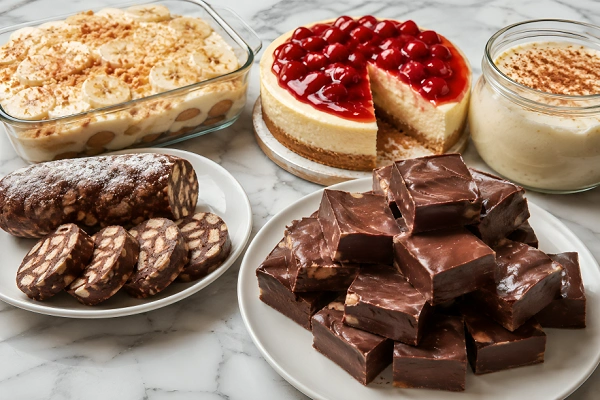
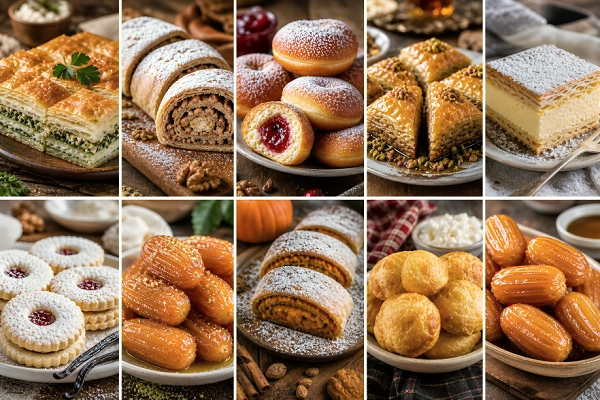
The Albanian dessert world also includes trilece, a soaked sponge cake made with three types of milk and ballokume, small buttery cookies traditionally baked for a spring festival. Among these, qumështor stands out for being the most stripped down. No syrup required. Not nuts. No layers unless you want them.
Food in Albanian culture carries particular weight. Hospitality is not just a custom, it’s close to an obligation. Guests are fed generously, sometimes extravagantly. Within that culture, making something like qumështor which uses honest ingredients and comes out looking quietly beautiful is a genuine act of welcome.
Where Does Qumështor Stand Today?
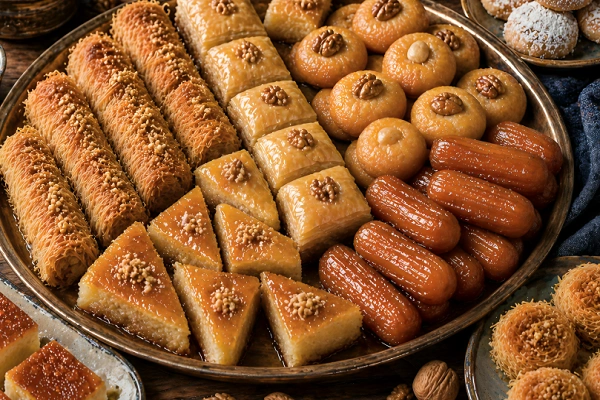
In Albanian restaurants, trilece and baklava tend to dominate the dessert menu. Qumështor is less visible in formal dining. But in homes, it persists and in the Albanian diaspora scattered across Europe and North America, it carries an extra layer of meaning.
For people who grew up with it and now live far from Albania, making qumështor is an act of memory. Many Albanian home cooks mention learning this recipe from a mother or grandmother, often without a written recipe in sight. That’s not just cooking. That’s continuity.
Serving Qumështor
The traditional way is simple: chilled, sliced into clean portions, sometimes with a light dusting of cinnamon or a little grated chocolate on top. It pairs naturally with Turkish coffee or Albanian tea; the slight bitterness of the coffee offsets the gentle sweetness of the custard in a way that feels very natural.
A Final Thought
Five ingredients. A baking dish. An oven. And somehow qumështor has been part of Albanian life through Ottoman rule, communist atheism, post-1991 revival, and now a global diaspora. It didn’t survive because it’s complicated. It survived because it’s really tied to something people actually needed, actually felt, actually remembered.
That’s what food with cultural meaning does. It doesn’t have to be grand to be important. It just needs to taste like something worth holding onto.
FAQs
Can qumështor be made ahead of time?
Yes, and it actually benefits from it. Qumështor needs time to cool and set properly after baking, so making it a day ahead gives it enough time in the fridge to firm up fully. The texture is noticeably better the next day than straight out of the oven.
How long does qumështor last in the fridge?
Stored in an airtight container or covered tightly with wrap, qumështor keeps well in the refrigerator for up to 3 days. After that the texture starts to break down and the flavor dulls. To be eaten preferably within two days.
Can you freeze qumështor?
Freezing is not recommended. Custard-based desserts generally do not survive freezing well; the texture separates and becomes grainy once thawed. Qumështor is no exception. It tastes best when made fresh and eaten soon after.
Why is my qumështor watery or not?
A few things can cause this. The most common reason is underbaking. The center looks set in the oven but is still too liquid inside. Always check the center with a knife or skewer before pulling it out; if it comes out with wet batter on it, give it more time. Another reason is not letting it cool and refrigerate long enough before slicing. Cutting into it while still warm will make it collapse. If the batter had lumps of flour that weren’t fully mixed, that can also affect how evenly it sets.
What type of milk works best for qumështor?
Whole milk is the right choice here. The fat content in whole milk is what gives qumështor its characteristic creaminess and smooth texture. Lower fat milk produces a thinner, less satisfying result. Some cooks warm the milk slightly before adding it to help everything combine more smoothly.
Can I make qumështor without eggs?
Not in the traditional sense. Eggs are what bind the custard and give it structure without them, the mixture will not set into anything firm. There is no verified egg-free version of qumështor that holds the same texture and result. If eggs are not an option, a different dessert would be a more honest choice.
What size baking dish is best for qumështor?
A 9×13 inch baking dish works well for a standard batch. The depth of the dish matters too deep and the center takes much longer to set, risking an overbaked top. Too shallow and it sets too quickly and dries out. A medium-depth dish gives the custard room to bake evenly and develop that golden top without drying out the inside.

Rachel Bradley is a food writer and recipe developer with a love for home cooking and global flavors. She has spent years testing recipes in her kitchen, exploring everything from quick weeknight meals to traditional dishes from around the world. Her goal is simple — make great food accessible to everyone.