The Best Fluffy Pancakes recipe you will fall in love with. Full of tips and tricks to help you make the best pancakes.

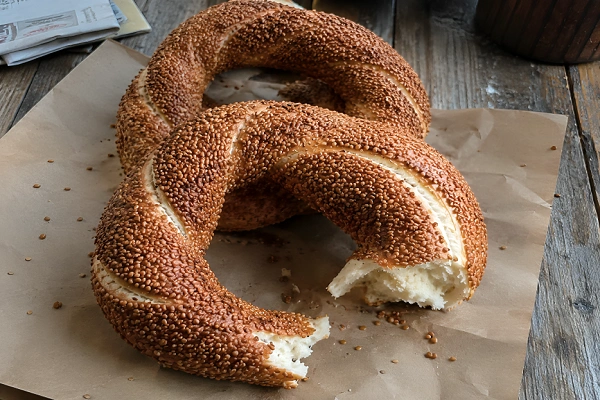
There is a reason the Turkish simit bread recipe has been searched, tested, and shared by home bakers all over the world. This sesame-crusted bread ring is one of Turkey’s most iconic street foods crispy on the outside, soft and chewy inside, with a subtle sweetness from the molasses coating that makes it unlike anything else.
If you’ve ever tried making homemade Turkish simit and ended up with seeds falling off or a pale, soft crust, you’re not alone. Most recipes skip the small details that actually matter. This guide does not. From the right molasses ratio to the exact shaping technique, everything here is based on how simit is traditionally made, no shortcuts, no guesswork.
Whether you’re making it for a Turkish breakfast bread spread or simply want fresh bread on a weekend morning, this is the only simit recipe you’ll need.
What Is Turkish Simit?
Simit (pronounced see-meet) is a circular bread ring coated in sesame seeds, sold on nearly every street corner in Turkey. It has a thin, crisp outer crust and a chewy, light interior with a subtly sweet sesame flavor.
What sets simit apart is its preparation: the dough rings are dipped in a molasses-water mixture (called pekmez in Turkish) before being rolled in sesame seeds. This step is what gives simit its characteristic amber color and mild sweetness.
Simit has been part of Turkish food culture since at least the 16th century. The oldest known written record of simit dates to 1525, documented in the archives of Istanbul’s city administration. It is still sold fresh every morning across Turkey, and the simit cart (simitçi) remains one of the most recognizable sights in any Turkish city.
Ingredients You Need
For the dough:
- 500g (approximately 4 cups) all-purpose or bread flour
- 7g (1 packet) instant dry yeast
- 1 teaspoon salt
- 1 teaspoon sugar
- 300ml (1¼ cups) warm water (around 35–40°C)
- 2 tablespoons vegetable oil
For the molasses dip:
- 3 tablespoons grape molasses (üzüm pekmezi) — or pomegranate molasses as a substitute
- 150ml water
For coating:
- 200–250g (about 1½ to 2 cups) white sesame seeds, lightly toasted
A Note on Ingredients
Grape molasses is the traditional choice and widely used across Turkey. It gives simit a deep amber color and a subtle earthy sweetness. You can find it in Turkish, Middle Eastern, or Mediterranean grocery stores. If it’s not available, pomegranate molasses works well too, though it adds a slightly tangier flavor.
Sesame seeds: Use unhulled or lightly toasted white sesame seeds for the most authentic result. Pre-toasting them slightly before coating brings out more flavor and helps them stick better.
Flour: Bread flour gives a chewier result because of its higher protein content. All-purpose flour works fine and produces a slightly softer crumb. Both are acceptable.
Turkish Simit Recipe — Step by Step
Step 1 Make the Dough
In a large bowl, mix the flour, salt, sugar, and instant yeast. Add the warm water and oil gradually, mixing as you go. Knead the dough for 8–10 minutes by hand (or 5–6 minutes in a stand mixer with a dough hook) until it becomes smooth and slightly elastic.
The dough should be soft but not sticky. At first, it might be too wet, so add flour one tablespoon at a time. Do not forget to add water if it is too dry.
Cover the bowl with a damp cloth or cling wrap and let it rest in a warm place for 1 to 1.5 hours, or until it has roughly doubled in size.
Step 2 Shape the Simit Rings
Once the dough has risen, punch it down gently and divide it into 8 equal pieces.
Take one piece and roll it into a long rope, about 50–55 cm long. Fold the rope in half so you have two strands side by side, then twist them together a few times. Bring the ends together to form a ring and press them firmly to seal.
This twisted shape is important; it is what allows the sesame seeds to grip the surface properly. A smooth, untwisted ring will not hold as many seeds and won’t have the same texture.
Repeat with all 8 pieces.
Step 3 The Molasses Dip
Mix the grape molasses and water in a shallow bowl or wide plate. Stir well.
Dip each shaped ring into the molasses mixture and turn it over, making sure it’s coated on both sides. Let the excess drip off. You don’t want the ring soaking wet, just lightly coated.
This step serves two purposes: it helps the sesame seeds stick, and it creates the caramelized outer crust during baking.
Step 4 Coat in Sesame Seeds
Pour the sesame seeds onto a flat tray or plate. Place each molasses-dipped ring into the sesame seeds and press gently, turning it so both sides are generously coated. Use your hands to press seeds into any gaps.
Place the coated rings on baking trays lined with parchment paper, leaving a few centimeters of space between each one.
Step 5 Second Rest
Let the shaped, coated rings rest for another 20–25 minutes. This short second proofing gives the gluten a chance to relax and helps the simit bake up with a better texture.
Step 6 Bake
Preheat your oven to 200°C (390°F) with a rack in the middle position.
Bake for 20–25 minutes until the simit rings are golden brown and the sesame seeds have turned a deep, toasty color. The exact time will depend on your oven starting checking at the 18-minute mark.
Take them out of the oven and set them on a wire rack to cool for ten minutes. The crust crisps up as it cools.
Common Mistakes and How to Avoid Them
Sesame Seeds Falling Off
This almost always happens because the molasses dip was too thin (too much water) or the seeds weren’t pressed in firmly enough. Make sure the dip has a slightly syrupy consistency and press the seeds in with your hands rather than just rolling the ring.
Dough Too Dense
If your simit comes out dense and heavy, the yeast likely wasn’t activated properly or the dough didn’t have enough time to rise. Check that your water was warm, not hot (hot water kills yeast). Additionally, ensure that the dough rises for a full hour the first time.
Pale Color After Baking
Simit should come out a deep amber-brown. If yours looks pale, either the oven wasn’t hot enough, the molasses dip was too diluted, or the simit needed more time. Since grape molasses is usually darker, it will make the color look better than some other options.
Rings Losing Their Shape in the Oven
This can happen if the dough was over-proofed (left to rise too long in the second rest) or if the rings weren’t sealed firmly at the joint. Make sure to press the ends of the twisted rope together well when forming each ring.
How to Serve Simit
In Turkey, simit is most commonly eaten at breakfast. It is typically served with:
- White cheese (beyaz peynir) is a brined cheese that tastes a lot like feta.
- Olives (green or black)
- Tomatoes and cucumbers
- A glass of black tea (çay)
Some people eat simit with a spread of butter and jam. Others simply eat it plain, still warm from the oven or cart. There’s no wrong answer.
Simit can also be eaten as a snack at any time of the day. There’s enough food in it to keep you going until your next meal.
Storing and Reheating
Simit is best eaten on the day it’s made like most yeast breads, it goes stale relatively quickly. The sesame crust softens overnight.
If you have leftover simit, store them in a paper bag at room temperature (not a plastic bag, which traps moisture and makes the crust soggy). The next morning, warm them in a 180°C oven for 5–7 minutes to refresh the crust.
They can also be frozen after baking. After they are fully cool, wrap each one in plastic wrap and freeze for up to a month. Thaw at room temperature for a couple of hours, then put them in the same preheated oven until the crust is crisp again, usually about the same time as reheating from room temperature.
What Makes Homemade Simit Different from Store-Bought
If you’ve tried simit from a Turkish bakery or market abroad, you may have noticed it sometimes lacks the quality of what you’d get from a street vendor in Istanbul. Making it at home closes that gap. The smell of toasted sesame while it’s in the oven, the crunch of the crust the moment you break off a piece that’s something a packaged version can’t replicate. Honestly, the first time you pull a tray of golden simit out of your own oven, it’s hard not to feel a little proud.
Pro Tips for Better Simit
These are the small things that separate a good homemade simit from a great one:
Toast your sesame seeds before coating
Spread them on a dry pan over medium heat for 2–3 minutes, stirring constantly, until lightly golden. This deepens the flavor significantly and helps the seeds adhere better during baking.
Keep the molasses dip thick
A watery dip means pale color and seeds that slide off. The mixture should feel slightly syrupy closer to the consistency of thin honey. If it’s too runny, reduce the water by a tablespoon.
Don’t skip the second rest
Twenty minutes feels like nothing, but it makes a real difference. Rested dough holds its ring shape in the oven and gives a more even, open crumb.
Seal the ring joint firmly
Press the two ends of the twisted rope together and roll them slightly against the work surface to fuse them. A loose joint will open up during baking and the ring will lose its shape.
Use the middle oven rack
Too high and the sesame seeds burn before the bread is cooked through. Too low and the bottom crust goes hard while the top stays pale. Middle rack, 200°C, every time.
Final Thoughts
Simit is one of those recipes that looks complicated but is actually very manageable once you understand the steps. The technique of twisting the dough, dipping it in molasses, and coating it in sesame seeds becomes second nature after the first batch.
It’s a recipe worth trying even if you’ve never made bread before. The ingredients are simple, the process is straightforward, and the result of warm, golden, sesame-crusted rings straight from your oven is genuinely satisfying. Once you’ve had fresh homemade simit with a cup of tea and some white cheese, it’s hard to settle for anything less.
FAQs
Can I use regular molasses instead of grape molasses?
Regular (blackstrap) molasses has a much stronger, more bitter flavor and is not a good substitute. Grape molasses or pomegranate molasses are the closest alternatives. Some recipes also use a diluted honey solution, which gives a lighter sweetness and slightly different color.
Can I make simit without yeast?
Authentic simit requires yeast for the right texture. Without it, the bread will be flat and dense, more like a cracker than a bread ring. There are no verified non-yeast versions that produce the same result.
How big should each simit be?
The diameter of a standard Turkish street simit is about 12–15 cm, or 5–6 inches. Home recipes often make them slightly smaller depending on the dough quantity. The size shown in this recipe (from 8 pieces out of 500g flour) produces medium-sized rings similar to what you’d find from a vendor.
Is simit the same as a bagel?
They are similar in shape and both involve a ring-form yeast dough, but the method is different. Bagels have a thick, chewy crumb because they are boiled before they are baked. Simit is dipped in molasses and baked directly, resulting in a lighter interior with a crispier crust. The sesame coating and molasses dip also make the flavor profile distinct.

James Carter is a food researcher and writer passionate about global cuisines, street food, and the stories behind what we eat. He combines thorough research with a genuine love for food culture to bring readers accurate, well-written, and interesting content.