The Best Fluffy Pancakes recipe you will fall in love with. Full of tips and tricks to help you make the best pancakes.

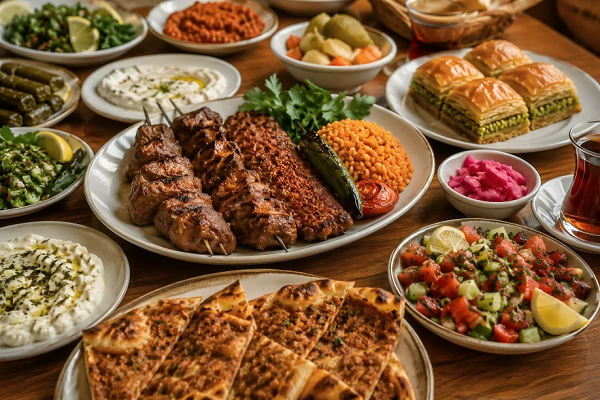
Turkey is one of those places where food is not only something you consume, it is something you experience. And if you eat halal, there is genuinely good news: traditional Turkish food and halal principles are historically inseparable not a recent accommodation or a marketing label, but simply how Turkish food has been cooked for over a thousand years.
What Makes Turkish Food Naturally Halal
Turkey is a country where approximately 97 percent of the population identifies as Muslim, making halal dietary practice the default in Turkish kitchens for centuries by tradition, not certification. Pork has never been part of mainstream Turkish cooking. Alcohol is not used as a cooking ingredient in traditional recipes. And halal butchery has been the standard in Turkish markets since the Ottoman period.
That said, “Turkish food” and “halal food” are not automatically the same thing in every situation. Modern Turkey has secular restaurants, international chains, and establishments that serve alcohol. When people outside Turkey search for Turkish halal food, they are usually looking for traditional Turkish dishes prepared according to halal principles and that is exactly what this guide is about.
How Halal Applies to Turkish Cooking Specifically
The halal standard covers a few key things: meat must come from an animal slaughtered by a Muslim who recites the name of Allah before the cut; the animal must be alive and healthy at the time of slaughter; blood must be fully drained; and pork, its byproducts, and alcohol used as an ingredient are prohibited entirely.
In a traditional Turkish kitchen, all of these conditions are met by default. The lamb in an Adana kebab comes from a halal slaughter. The butter in Turkish rice pilaf contains no animal byproducts beyond dairy. The syrup poured over baklava is simply sugar and water. This is not careful adaptation, it is just how the food has always been made.
The History Behind Turkish Halal Food
From Central Asia to the Ottoman Empire
The Turks originated from Central Asia. As they migrated westward through Persia, the Caucasus, and eventually into Anatolia, they absorbed and shaped the food cultures they encountered along the way. When the Seljuk Turks embraced Islam in the 10th century, halal dietary practice became permanently woven into their culinary tradition.
By the time the Ottoman Empire was at its height roughly the 15th through the 19th centuries Istanbul had become one of the most sophisticated food cities in the world. Hundreds of cooks worked in the imperial palace kitchens, Matbah-ı Âmire, and a wide range of meals was made. Much of what we recognize as classic Turkish food today traces directly to that period.
Why This History Matters for Modern Diners
Turkish cuisine did not develop alongside halal requirements or adapt to meet them; it grew entirely within them from the beginning. The lamb stews, spiced rice dishes, yogurt-based sauces, and syrup-soaked pastries all emerged from a food culture where halal practice was simply the norm. This context matters when understanding the cuisine today.
Turkish Halal Meat: What You Need to Know
Lamb is the most historically significant meat in Turkish cuisine. It appears in nearly every regional tradition, from simple grilled kebabs to slow-cooked festival meals. Beef is also very popular . Chicken grew more popular in the 20th century. Fish and seafood are central to coastal regions, particularly Istanbul and the Aegean coast. Pork has never been incorporated into mainstream Turkish cooking; this reflects a food culture that developed without it, not a modern adaptation.
When buying meat for Turkish recipes at home, look for halal certification confirming that the animal was slaughtered according to Islamic requirements, that a Muslim performed the slaughter with the correct recitation, and that the meat was handled without cross-contamination by non-halal items.
The Most Important Turkish Halal Dishes
Kebabs Far More Than One Thing
The word kebab in Turkish covers an enormous range of preparations. Most people outside Turkey know one or two varieties, but the full category is much wider.
Döner Kebab is the one that conquered the world. Meat traditionally lamb, though beef and chicken are now common is stacked onto a vertical rotating spit and slow-roasted. The cooked outer layer is shaved off continuously and served in bread, on a plate, or over rice.
The döner in sandwich form is widely associated with Kadir Nurman, who began selling it from a stand in West Berlin in 1972, though some food historians note that other Turkish vendors were selling similar formats around the same period. Today it is one of the most consumed fast foods in Europe.
Adana Kebab comes from the southern city of Adana and is made from hand-minced fatty lamb mixed with red pepper and shaped onto wide flat skewers, then grilled over charcoal. Traditional Adana kebab is never made with machine-ground meat, which would change the texture entirely. It is noticeably spicy compared to most other kebab varieties.
Urfa Kebab is the milder version from the nearby city of Şanlıurfa using the same technique, same lamb base, without the heat. If Adana kebab is too hot then Urfa is the appropriate choice.
Şiş Kebab is perhaps the oldest and most universal form. Cubed lamb or chicken is marinated and grilled on skewers simple in concept, but the quality of the meat and the marinade make an enormous difference.
İskender Kebab is a specific dish from the city of Bursa, created in the late 19th century by a cook named İskender Efendi. Döner meat is laid over torn pieces of pide bread, topped with tomato sauce and hot browned butter, and served with yogurt on the side. It is a full sit-down meal, not street food.
Köfte are spiced ground meat preparations, meatballs or flat patties made from lamb or beef. All around Turkey, there are dozens of regional variants with varied ratios of spices and distinct textures and ways of serving. İnegöl köfte, İzmir köfte, and Tekirdağ köfte are among the most well-known.
Pide and Lahmacun
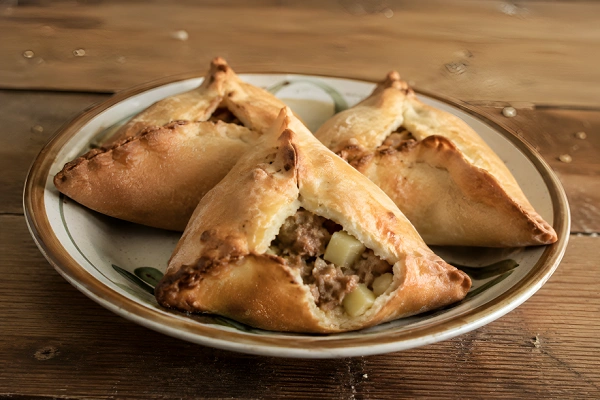
People make pide, a boat-shaped flatbread with toppings, and eat it. The most popular halal versions include kıymalı pide with spiced ground meat, kuşbaşılı pide with small cubed lamb, and kaşarlı pide with cheese. Turkish pide is baked at very high temperatures in wood-fired or stone ovens and eaten immediately while the dough is still slightly crisp at the edges.
Lahmacun is often called Turkish pizza outside Turkey, which is a loose analogy at best. It is a thin, crispy round flatbread spread with finely ground lamb or beef mixed with tomatoes, onions, and herbs, then baked at intense heat. It is typically eaten rolled around fresh parsley and a squeeze of lemon. The dish has roots in southeastern Turkish and Arab culinary tradition; the word comes from the Arabic lahm bi’l-ajeen, meaning meat on dough.
Meze Culture
Meze in Turkey is an entire approach to eating small plates spread across a table, shared slowly, often over long conversations. Many meze dishes are naturally vegetarian as well.
Haydari is thick strained yogurt mixed with garlic and dried mint, served cold. Patlıcan salatası is roasted eggplant salad with olive oil and garlic. Arnavut ciğeri is sautéed lamb liver with red onions and parsley, a classic Istanbul meze. Midye dolma are mussels stuffed with spiced rice, one of the defining street foods of Istanbul.
Çiğ köfte deserves a specific mention. Originally a raw meat dish, the version sold commercially across Turkey today is entirely plant-based, made from bulgur wheat, tomato paste, and spices completely halal and safe for everyone.
Soups
Turkish soup culture runs deep. Soups are eaten at breakfast as commonly as at dinner, and they are taken seriously.
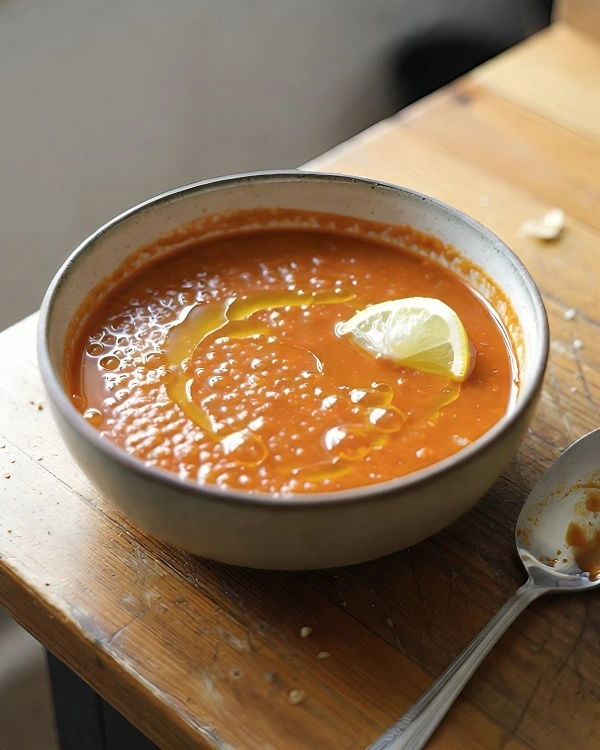
Mercimek çorbası red lentil soup is probably the most consumed soup in the country: red lentils, onion, cumin, finished with a drizzle of butter and paprika. İşkembe çorbası is slow-cooked tripe soup, a traditional late-night dish served with a garlic-vinegar sauce. Yayla çorbası is a yogurt-based soup with rice and dried mint, common in Central Anatolia and genuinely comforting in cold weather.
Rice and Grain Dishes
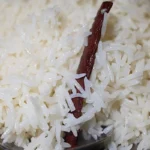
Rice pilaf is a staple, and the Turkish technique is specific: the rice is toasted in butter before any liquid is added, giving it a slightly nutty flavor and a clean, separated texture. This is different from how pilaf is made in many other traditions.
Bulgur pilavı cracked wheat pilaf is equally important, especially in rural and southeastern Turkey, often served with yogurt as a dietary staple in many households.
İç pilav is a more elaborate rice dish cooked with chicken liver, pine nuts, currants, allspice, and cinnamon, a clear example of Ottoman-era flavor philosophy, where sweet and savory elements were combined in single dishes.
Slow-Cooked and Oven Dishes
Güveç refers to dishes slow-cooked in a clay pot; the word means both the vessel and the food cooked in it. A typical güveç contains lamb, seasonal vegetables, tomatoes, and herbs, baked in the oven until everything has collapsed into something deeply flavorful.
Kuzu tandır is a whole lamb slow-roasted in a tandoor oven until the meat pulls apart by hand. It is particularly associated with Eid al-Adha, the Feast of Sacrifice, when lamb is slaughtered and shared one of the most significant food moments in the Turkish calendar.
Hünkâr beğendi literally “the sultan’s delight” is braised lamb served over a smoked eggplant and béchamel purée. One of the most refined dishes from Ottoman palace cooking, it is still served in traditional Turkish restaurants today.
Turkish Halal Breakfast
A proper Turkish breakfast is unlike most breakfast traditions in the world, a spread meant to be eaten slowly, not a single dish.
A full Turkish breakfast typically includes olives, white cheese similar to feta, kaşar cheese, sliced tomatoes and cucumbers, eggs in some form (either scrambled with tomatoes and peppers as menemen or simply fried), honey with clotted cream called kaymak, simit (a sesame-encrusted bread ring), jam, butter, and an endless supply of Turkish tea. All of this is naturally halal a traditional Turkish breakfast is simply real food made from straightforward ingredients.
Turkish Halal Sweets and Desserts
Baklava
Baklava needs no introduction, but the Turkish version particularly from the city of Gaziantep in southeastern Turkey is considered by many to be the definitive version. Layers of thin filo pastry are filled with crushed pistachios and soaked in a light sugar syrup. Gaziantep baklava has a Protected Geographical Indication from the European Union, which means that only baklava from that area can be truly Antep. The syrup contains no honey and no added flavoring; pistachio quality is central to the result.
Künefe
Künefe is a hot dessert made from shredded wheat dough called kadayıf, layered with unsalted stretchy cheese, soaked in syrup, and topped with crushed pistachios. It must be eaten immediately while the cheese is still melted and the exterior is still slightly crisp. Waiting too long is genuinely a mistake.
Turkish Delight (Lokum)
Lokum has been made in Turkey for centuries. Traditional varieties are produced from sugar, starch, and rosewater or fruit flavoring, no gelatin, no animal-derived thickeners in the classic versions, making them halal and suitable for vegetarians. However, many modern commercial brands sold outside Turkey do add gelatin to improve texture and shelf life. Always check the ingredients label, as gelatin derived from non-halal sources would affect the halal status.
Maraş Ice Cream
Turkish ice cream from the city of Kahramanmaraş is unlike any other in the world stretchy, chewy, resistant to melting, and traditionally served with a show, with vendors using long paddles to spin and stretch it before handing it over. The texture comes from two unusual ingredients: salep, a powder made from dried orchid root tubers, and mastic resin from mastic trees. Both are completely natural and halal.
Regional Differences in Turkish Halal Food
Turkey is a big country with big differences between regions. The food in Istanbul is not the same as the food in Gaziantep or Trabzon.
The Aegean region around İzmir and Bodrum uses olive oil heavily, incorporates wild herbs, and has a lighter Mediterranean character, with seafood and vegetable dishes dominating. Istanbul is cosmopolitan, historically influenced by every culture that passed through the Ottoman capital; its food reflects that variety through fish restaurants, offal dishes, street food culture, and multi-course meze tables.
Central Anatolia around Konya and Ankara is meat-heavy and bread-focused. Konya is famous for fırın kebabı, an oven-roasted lamb dish, and etli ekmek, a long flatbread topped with spiced ground meat. Southeastern Turkey Gaziantep, Şanlıurfa, Adıyaman is considered by many food scholars to be the richest culinary region in the country, producing baklava, lahmacun, and the most complex kebab traditions.
The Black Sea coast around Trabzon and Rize has its own distinct food culture built around corn bread, anchovies called hamsi, and dishes featuring hazelnut. Eastern Anatolia carries Kurdish and Armenian culinary influences, and the cağ kebabı from Erzurum cooked on a horizontal rather than vertical spit is a regional specialty found nowhere else.
Turkish Halal Food Outside Turkey
How Turkish Food Spread Globally
The global spread of Turkish food is largely connected to Turkish labor migration in the mid-20th century. German gastarbeiter programs in the 1960s brought hundreds of thousands of Turkish laborers to West Germany. The döner kebab, which was served in bread with salad and sauce to suit local tastes, became one of Germany’s most popular fast foods. The same pattern repeated across the Netherlands, Belgium, France, Sweden, and the United Kingdom.
The kebab shop in European cities is often Turkish-owned and -operated, and the food served is typically halal by default because it reflects the Turkish tradition it comes from. In the UK, Turkish-British communities concentrated in North London particularly in Stoke Newington, Dalston, and Haringey have built a restaurant scene serving genuinely regional Turkish food rather than adapted takeaway versions.
What to Check When Eating Turkish Food Outside Turkey
In Turkey, halal meat has always been served at most traditional places, and this has been the case for generations. Outside Turkey, the situation requires slightly more attention.
Some Turkish restaurants outside Turkey use wine in cooking certain dishes; this is not part of traditional Turkish cooking but appears in some modern and fusion interpretations. Some establishments also serve pork-containing items to serve a broader customer base. And halal certification from a recognized body is not universal across Turkish restaurants abroad, even when the food itself follows halal principles.
The most straightforward approach is to ask directly whether the meat is halal-slaughtered in Turkish, helal kesilmiş or to look for visible halal certification. In the UK, Australia, and parts of the United States, Turkish restaurants increasingly seek formal certification to serve Muslim communities, so certified options are becoming more common.
Final Thoughts
Turkish halal food is not a niche category or a modern accommodation it is a culinary tradition with more than a thousand years of continuous history. The depth and variety within it, from the charcoal-grilled kebabs of the southeast to the fish-heavy tables along the Bosphorus, from slow-cooked palace dishes to simple village soups, is far greater than most people outside Turkey realize.
For anyone who eats halal, Turkish cuisine is one of the most accessible and genuinely satisfying traditions in the world, with a global footprint that makes it easier to find than almost any other halal food culture.

Rachel Bradley is a food writer and recipe developer with a love for home cooking and global flavors. She has spent years testing recipes in her kitchen, exploring everything from quick weeknight meals to traditional dishes from around the world. Her goal is simple — make great food accessible to everyone.