The Best Fluffy Pancakes recipe you will fall in love with. Full of tips and tricks to help you make the best pancakes.

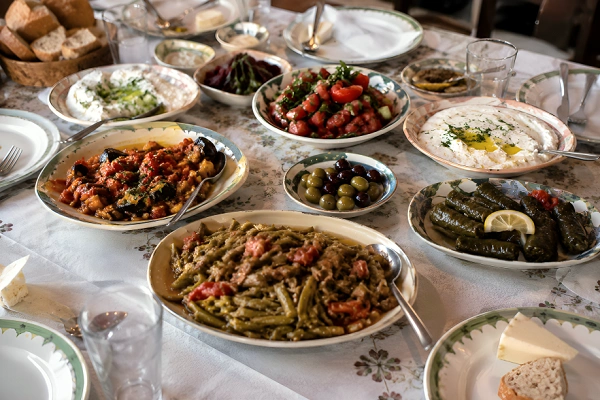
Turkish cuisine is far more than the sum of its grills. Beneath the international fame of its kebabs lies a vegetarian tradition stretching back centuries rooted not in dietary restriction, but in genuine culinary craft. From the Aegean coast to the Anatolian plateau, plant-based eating has always been central to the Turkish table, shaped by seasons, landscape, and a deep patience with ingredients.
Is Turkish Food Vegetarian Friendly?
In short: yes and far more so than most people expect.
The Role of Vegetables in Turkish Cuisine
Turkish households had long been preparing wholesome meals based on eggplant, tomatoes, peppers, beans, lentils, and leafy greens well before plant-based diets gained popularity in the West. The Ottoman palace kitchen maintained sophisticated traditions for zeytinyağlı dishes vegetables cooked slowly in olive oil that remain pillars of everyday Turkish eating to this day.
A stuffed eggplant is filled with a fragrant mixture of onions, tomatoes, garlic, and herbs. A simple bean dish is enriched with fresh tomatoes and a long simmer that builds remarkable depth. Vegetables are treated with patience and genuine respect.
Traditional Plant-Based Cooking Methods
Turkish vegetarian cooking relies on several key techniques: slow braising in olive oil (zeytinyağlı), where vegetables are gently cooked until tender and infused with flavor; stuffing (dolma and sarma), where peppers, tomatoes, eggplants, and grape leaves are filled with spiced rice or bulgur; grilling and roasting, where eggplants are charred directly over flame for a smoky interior; and fermenting and pickling (turşu) is a traditional practice in which a wide variety of vegetables are preserved through a gradual fermentation process in brine.
Vegetarian vs Vegan Turkish Food
Many everyday Turkish dishes are naturally vegan, particularly the zeytinyağlı category because they use olive oil rather than butter and contain no animal products at all. But yogurt, white cheese (beyaz peynir), and clarified butter (tereyağı) are often used in Turkish food.
Vegetarians will find more to eat than vegans, but vegan travelers are far from stranded: lentil soups, olive oil vegetable dishes, stuffed grape leaves, fresh salads, and meze platters can easily be assembled into satisfying fully plant-based meals.
Common Animal Products to Watch For
Butter is most likely to make a dish non-vegetarian without being obvious; yogurt can be used as a sauce or soup base; eggs are used in breakfast foods and baked goods; chicken or meat stock is often used in soups and rice dishes (always ask about this); and in some restaurants, spicy sausage is sometimes added to eggs or börek.
Essential Ingredients in Turkish Vegetarian Food
Olive Oil
The defining ingredient of the country’s vegetarian kitchen. Used generously, not sparingly, and the flavor it imparts to gently braised vegetables is genuinely irreplaceable.
Eggplant
In Turkish food, patlıcan is the most important vegetable. Turkish cooking makes extensive use of eggplants, serving them in a variety of forms such as stuffed, grilled, fried, stewed, puréed, and pickled dishes.
Lentils
An everyday protein across Turkish cooking. Red lentils dissolve into velvety soups and are shaped into meatless köfte patties. Grains and soups with a lot of meat use green lentils.
Chickpeas
Found in stews, cold salads, and as leblebi the roasted, dried snack eaten out of hand. During the colder months, it is often combined with spinach and tomatoes to create warm, satisfying dishes.
Beans
White beans (kuru fasulye) softened in tomato sauce form the backbone of the Turkish weekday table. Barbunya (borlotti beans) are a summer favorite. To make taze fasulye, fresh runner beans are simmered until they are very soft.
Bulgur Wheat
More widely eaten than rice across much of Turkey, particularly in Southeastern and Central Anatolia. Forms the base of kısır, various pilaf dishes, and mercimek köftesi.
Tomatoes
Fresh, as deeply concentrated paste (salça), or sun-dried, tomatoes play distinct roles throughout the cuisine. The unsung backbone of current Turkish vegetarian cookery.
Peppers
Sweet and hot peppers can be used in a variety of ways, such as being stuffed, fried, dried into flakes (pul biber), or ground into a paste (biber salđı). The walnut-red pepper dip from Gaziantep, called muhammara, is thought to be one of the best condiments that Turkish food has ever created.
Fresh Herbs
Flat-leaf parsley, dill, mint, and basil are essential ingredients in Turkish kitchens, used generously to enhance flavor rather than merely as garnishes.
Yogurt and Cheese
Yoğurt, which is Turkish for “yogurt,” is thick and sour, and it can be used as an ingredient or a topping. Every breakfast table has Beyaz peynir, a white brined cheese that tastes like a milder feta and is used all day in cakes, salads, and börek.
Most Popular Turkish Vegetarian Dishes
Mercimek Çorbası (Turkish Lentil Soup)
Walk into almost any Turkish kitchen, and this is the first thing you will smell. Onions and carrots soften in oil, red lentils are added with water or vegetable stock, and everything simmers until dissolved into a smooth, vibrant orange soup.
The finishing touch is what elevates it: a sizzling swirl of butter infused with dried mint and pulp, poured over the surface at the last moment. On the side is a piece of lemon. A proper bowl costs very little anywhere in Turkey, and it will rarely disappoint.
Ezogelin Soup
Named after a legendary bride from Southeastern Turkey, Ezogelin is the older cousin of mercimek çorbası. Textured and assertive where mercimek is smooth red lentils cooked alongside fine bulgur and rice, with generous tomato paste, dried mint, cumin, and red pepper creating a noticeably thicker, spicier result. Order it when you want something with real presence.
İmam Bayıldı
The name translates roughly as “the imam fainted” supposedly from sheer pleasure at the amount of olive oil used. Whole eggplants are slit lengthwise, packed with a filling of onions, garlic, tomatoes, and green peppers, then braised for over an hour until completely collapsed and tender. Almost always better the next day, when the oil has carried the flavors of garlic and tomato through every layer. Rich, almost silky, the zeytinyağlı tradition at its most compelling.
Kısır
Here, the bulgur is not the star the paste is. Tomato and red pepper pastes give it body and umami; pomegranate molasses adds a sweet-sour depth that tabbouleh never has. Fine bulgur is worked with paste while still warm, then combined with fresh herbs, spring onions, cucumber, and tomatoes, and dressed boldly with lemon juice, pomegranate molasses, and olive oil. It should be vivid and confident. A flat kısır is a failed kısır.
Yaprak Sarma (Vegetarian Stuffed Grape Leaves)
Few dishes demand patience, and few repay it so nicely. The filling combines washed rice with sautéed onions, pine nuts, currants, dill, mint, allspice, cinnamon, and olive oil. Each grape leaf is rolled into a tight finger-sized cylinder, dozens stacked in a wide pot and cooked slowly with lemon juice and water. The result is aromatic and layered slightly sweet from currants, fragrant with warm spices, tangy from lemon. On a summer meze table, among the most refreshing things on offer.
Mücver (Zucchini Fritters)
One bite and the name stops mattering. Grated zucchini is salted, squeezed completely dry, then combined with egg, crumbled beyaz peynir, flour, and chopped dill, shaped into small patties, and fried until golden. The contrast between the crunchy exterior, the herby and slightly salty interior, and cold yogurt alongside is the whole point.
Menemen
Still sizzling when it reaches the table. Peppers and tomatoes soften in olive oil until jammy and concentrated; eggs are added and moved gently until just barely set almost custardy, barely distinguishable from the vegetables. At its best, made with good summer tomatoes and real eggs, it is one of the most satisfying egg dishes in any cuisine.
Sigara Böreği (Cigarette Pastry)
Named for their slim cylindrical shape, these crispy fried pastry rolls filled with white cheese and flat-leaf parsley appear wherever people eat together at tea houses, buffet tables, and meze spreads. Yufka sheets are cut into triangles, filled with crumbled beyaz peynir and parsley, rolled tightly, and pan-fried until shatteringly crisp. The contrast between the delicate crackling shell and the warm salty cheese inside is exactly what makes it hard to stop eating.
Gözleme
Part of the fun is seeing it being made. The dough is stretched to near-translucency by practiced hands, the filling scattered, the bread folded and pressed onto a hot iron griddle. Cheese and parsley, spinach and cheese, potato with herbs large, flat, lightly charred, and slightly chewy. Quintessential Turkish street food.
Piyaz
There, piyaz is a main food, not a side dish. White beans dressed with sumac-rubbed onions, sliced tomatoes, flat-leaf parsley, and a sharp olive oil and lemon vinaigrette, finished with hard-boiled eggs. Sumac is a must; it gives the onions a fruity astringency that just can’t be replicated. Outside Antalya, simpler versions exist, but the original remains the benchmark.
Çoban Salatası (Shepherd’s Salad)
No technique. No unusual ingredients. Lettuce, green pepper, red onion, ripe tomatoes, and flat-leaf parsley be chopped up and mixed with olive oil, lemon juice, and salt. Everything depends on the quality of the vegetables. In Turkish summer, made from market produce, it is one of the most refreshing things you can eat.
Zeytinyağlı Fasulye (Green Beans in Olive Oil)
Here, the method matters more than the beans themselves. Gently braised with onions, garlic, and tomatoes until fully softened and deeply flavored, they absorb everything around them. A generous pool of oil collects in the dish. Eat it cool, with bread to catch every drop. The result tastes far more sophisticated than its short ingredient list suggests.
Barbunya Pilaki (Borlotti Bean Stew)
Fresh borlotti beans cooked with onion, carrot, celery, garlic, and tomato paste until tender and surrounded by a thick, fragrant sauce. Best eaten the following day, once the flavors have settled and the sauce has thickened. Eaten with crusty white bread the kind of food Turkish people describe as nostalgic: honest, simple, and tied to memory.
Patates Salatası (Potato Salad)
Boiled potatoes dressed while still warm with olive oil, lemon juice, spring onions, and generous flat-leaf parsley. Bright, clean, and herbaceous a side dish, a meze, or a filling snack in its own right.
Cacık
Cool, sharp, and fragrant thick yogurt with grated cucumber squeezed dry, crushed garlic, dried mint, and olive oil. Typically prepared thinner than Greek tzatziki and used more freely: as a dip, a side dish, a sauce, or diluted with cold water as a summer drink. The ideal counterpoint to anything spicy or rich on the table.
Turkish Meze Dishes Suitable for Vegetarians
A well-assembled meze table can be entirely meat-free without anyone noticing. Some of the best dishes on any Turkish menu sit in this category.
Haydari
Thick yogurt enriched with crumbled beyaz peynir, dried mint, garlic, and sometimes fresh dill. Richer and more intensely flavored than cacık spread on bread at the start of a long meal.
Acılı Ezme
Finely hand-chopped tomatoes, green and red peppers, onion, garlic, and parsley, finished with pomegranate molasses and red pepper paste. Sharp, nearly raw, and fiercely flavored — disappears fastest from any meze table.
Şakşuka
Fried eggplant and peppers folded into a sharp tomato sauce, this is a dish that tastes better the longer it sits, the acidity slowly cutting through the richness of the fried vegetables.
Hummus
Long embedded at the Turkish meze table, particularly in Gaziantep and Şanlıurfa. Lighter in texture than many regional versions and more generously finished with olive oil, often topped with butter, cumin, and pulp.
Fava (Broad Bean Puree)
An Aegean specialty. Dried fava beans cooked with olive oil, onion, and dill until completely soft, then blended into a smooth, pale yellow puree. Finished with a pour of oil and fresh dill, eaten slowly with good bread.
Patlıcan Salatası (Roasted Eggplant Salad)
Whole eggplants charred over open flame until the interior collapses, then combined with garlic, lemon, and olive oil. Oven baking can’t give food the smokey flavor that comes from cooking over a direct flame.
Muhammara
Originally from Aleppo, Syria, now woven into the fabric of Southeastern Turkish food culture. Roasted red peppers blended with walnuts, breadcrumbs, pomegranate molasses, and biber salçası into a thick, rust-colored dip savory, slightly sweet, nutty, carrying the gentle heat of good peppers. The kind of thing people ask for the recipe after a single taste.
Atom
A spicy yogurt and pepper dip found across Southern and Southeastern Turkey, combined with finely chopped hot peppers, garlic, and sometimes walnuts. Some versions are mild and creamy, some genuinely fiery.
Beetroot Yogurt Salad
Roasted or boiled beetroot mixed with thick garlic-seasoned yogurt and finished with olive oil. One of the most visually striking dishes on any meze table, vivid crimson against white, earthy sweetness against tangy dairy.
Turkish Vegetarian Breakfast Foods
Few meals anywhere in the world match the generosity of a Turkish breakfast. The kahvaltı is not a quick meal, it is a ritual, a spread of small dishes that can stretch an hour or more, and for vegetarians, it is almost entirely safe territory by default.
Built around beyaz peynir in several varieties, olives, ripe tomatoes and cucumber, eggs, fresh bread, and at least one homemade jam fig (incir reçeli), rose petal (gül reçeli), apricot, sour cherry, or green walnut. Creamy kakao (clotted cream) with dark honey or fig jam is the heart of a good weekend breakfast.
Menemen is the cooked centerpiece barely set, almost custardy, the eggs inseparable from the jammy tomatoes and peppers beneath.
Simit — the sesame-crusted bread ring arrives before dawn on street carts across the country. Chewy, slightly crispy at the crust, and eaten with cheese, olives, or jam. Istanbul smells of fresh simit in the early morning in a way that becomes permanently associated with the city.
Su böreği — water börek is a layered cheese pastry whose construction resembles lasagne: sheets of soft, boiled yufka stacked with white cheese and butter, then baked until golden. A weekend project, eaten with tea.
Turkish tea (çay) determines the rhythm and mood of the entire morning. Strong black tea brewed in a double kettle (çaydanlık), served in small tulip-shaped glasses, refilled without asking. A Turkish breakfast without tea is, by definition, not quite a Turkish breakfast.
Regional Turkish Vegetarian Specialties
Aegean Region
Where Turkish vegetarian cooking reaches its most refined expression. Zeytinyağlı dishes are prepared here with an almost competitive pride: wild herbs foraged from hillsides, purslane, sea fennel, and bitter greens that rarely appear elsewhere shaping a cuisine deeply tied to its landscape.
Some of the most famous foods from this area are zeytinyağlı enginar (artichoke hearts braised with lemon and dill), zeytinyağlı kereviz (celery root and carrot cooked until soft), pırasa (leeks with carrot), and fava bean puree.
Central Anatolia
Bulgur and lentils dominate here far more than olive oil. Mercimek köftesi cold lentil and bulgur patties, eaten wrapped in lettuce with a squeeze of lemon originated here and is now a nationwide snack. Chickpea dishes and thick bean soups are everyday winter fare. It’s not as refined as the Aegean way, but it’s very good for you and made for cold weather.
Mediterranean Turkey
The Antalya region is defined by its piyaz, a salad treated as a civic institution as much as a recipe. Foods that grow in the Mediterranean sun are used in soups and salads that don’t need to be made right away. In this part of Turkey, citrus is more important than in any other part.
Black Sea Region
The most distinctive food region in the country. Corn is the staple crop muhlama, a bubbling fondue of local cheese melted with cornmeal and butter, is the iconic Black Sea dish. Karalahana çorbası, made from the region’s dark, almost purple cabbage, is unlike anything found on Turkey’s western coast. Rougher, more alpine in character.
Southeastern Turkey
Gaziantep, Şanlıurfa, and Mardin form the most spice-forward vegetarian food culture in Turkey. Muhammara is a meze table staple here, carried across borders by the deep culinary ties between Gaziantep and the Levant.
Lentil soups and bulgur dishes carry layers of complexity reflecting the region’s proximity to Syria and the broader Arab world. Çiğ köfte spiced bulgur patties from Şanlıurfa are now sold commercially throughout Turkey as a widely loved vegetarian street snack.
Traditional Turkish Street Foods for Vegetarians
Turkish street food is considerably more vegetarian-friendly than its kebab reputation suggests.
Sold from carts at every hour on every corner. The sesame-crusted bread ring is freshly baked, affordable, and eaten as breakfast, snack, or hasty lunch. No other food is more embedded in the rhythm of Turkish city life.
Roasted Corn (Mısır)
Grilled on small charcoal braziers, rubbed with salt and butter, eaten walking along the seafront. In winter, roasted chestnuts (kestane) take its place in the same carts.
Kumpir
The oversized baked potato of Ortaköy in Istanbul, mashed inside its own skin with butter and kaşar cheese, then loaded with toppings: olive salad, roasted mushrooms, pickled vegetables, and corn.
Gözleme
White cheese and parsley, or spinach and cheese, cooked to order on a large iron griddle. Watching it is part of the pleasure.
Cheese Börek
Pastry rectangles or cylinders filled with white cheese or potato, found near transport hubs, bazaars, and university neighborhoods. Quick, affordable, warm, and genuinely filling.
Vegetarian Food in Turkish Restaurants
Key Menu Terms to Know
| Turkish Term | Meaning |
| Zeytinyağlı | Cooked in olive oil usually vegetarian |
| Etli | Contains meat avoid |
| Peynirli | With cheese |
| Yumurtalı | With egg |
| Sebze / Sebzeli | Vegetable / with vegetables |
| Mercimek | Lentil |
| Fasulye | Bean |
| Bulgurlu | With bulgur |
Questions Worth Asking
- “İçinde et var mı?” — Is there meat in it?
- “Et suyu kullandınız mı?” — Did you use meat stock?
- “Tereyağı mı, zeytinyağı mı kullandınız?” — Olive oil or butter?
Hidden Ingredients to Watch For
Meat stock (et suyu) is the most common invisible non-vegetarian ingredient used to enrich soups, rice dishes, and bean stews. Not deception, simply how long-standing Turkish cooking was practiced before vegetarianism became a recognized dietary choice. The foods that are most likely to have stock added are pilafs, lentil soups, and kuru fasulye.
Turkish Vegetarian Food for Travelers
What to Eat in Istanbul
Istanbul is Turkey’s most vegetarian-friendly city, with dedicated restaurants in Cihangir, Kadıköy, and Beyoğlu alongside everyday options everywhere. For the most honest vegetarian eating, seek out lokanta restaurants, home-cooking cafes where prepared dishes are displayed in steam trays and you choose by pointing. You can see what’s in each pot before you decide to buy it.
Street Food Options
Simit at any hour, gözleme with cheese or spinach at market stalls, cheese or potato börek near transport hubs, roasted corn along coastal promenades, and kumpir in Istanbul’s Ortaköy. In winter, roasted chestnuts replace the corn carts at the same locations.
Market Foods and Snacks
Turkish pazarlar (weekly street markets) are the best places to eat as a vegetarian traveler. Fresh seasonal produce, local cheese, olives sold by weight, homemade jams, sun-dried tomatoes and peppers, tahini, walnut paste, and freshly baked bread. Building a pazar picnic and eating it nearby is not just a budget strategy, it is genuinely one of the best ways to taste Turkish food.
Tips for Vegetarian Travelers
Learning a few Turkish phrases about meat and stock makes a meaningful difference. Lokanta-style restaurants offer the widest and most transparent vegetarian selection. Turkish breakfasts are almost universally vegetarian and worth a proper sit-down at least once. The Aegean coast and Southeastern Turkey particularly Gaziantep offer the richest vegetarian food experiences of any region.
Easy Turkish Vegetarian Foods to Make at Home
Lentil Soup Start Here
Soften onion and carrot in olive oil, add red lentils, a spoonful of tomato paste, cumin, and water or vegetable stock, simmer for 20–25 minutes until dissolved, then blend smooth. The detail that makes it Turkish: heat butter until it foams, add dried mint and pul biber, let it sizzle for 30 seconds, swirl over the soup. Squeeze lemon at the table. Too little cumin and no finishing butter are the two most common mistakes. Neither is optional.
Kısır The Most Portable Dish You Can Make
Stir the tomato and red pepper paste into the bulgur while still warm. Most recipes skip this step. Once cool, add chopped spring onions, parsley, mint, cucumber, and fresh tomato. Dress boldly with lemon juice, pomegranate molasses, and olive oil. If it tastes flat, it needs more lemon, more salt, or more pomegranate molasses, usually all three.
Çoban Salatası Let the Vegetables Do the Work
Chop ripe tomatoes, cucumber, green pepper, and red onion into even 1cm pieces. Add generous flat-leaf parsley. Dress with good olive oil, fresh lemon juice, and salt applied just before serving. In winter, when tomatoes are pale and flavorless, skip this salad entirely. This meal is for summer, so you should treat it like one.
Mücver The Step That Matters
Grate the zucchini, salt generously, let it sit for 10 minutes, then squeeze out every drop of moisture in a clean kitchen towel far more will come out than seems possible. Combine with egg, crumbled beyaz peynir, flour, chopped dill, and spring onion. Shape into small flat patties, fry until genuinely golden, serve immediately with cold yogurt. The contrast between hot fritter and cold yogurt is the whole dish.
Stuffed Grape Leaves Patience Required
Prepare the filling first: washed rice with sautéed onion, pine nuts, currants, dill, mint, allspice, cinnamon, olive oil, salt, and pepper. Lay each grape leaf flat, place a small spoonful near the stem end, fold the sides in, and roll firmly toward the tip the same technique as rolling a small cigar.
Tight rolling matters; loose rolls fall apart. Place them in a large pot and cover it with a heavy plate. Cook for 45 to 50 minutes over low heat after adding the water, olive oil, and lemon juice. Cool fully before serving; they are better cold.

James Carter is a food researcher and writer passionate about global cuisines, street food, and the stories behind what we eat. He combines thorough research with a genuine love for food culture to bring readers accurate, well-written, and interesting content.