The Best Fluffy Pancakes recipe you will fall in love with. Full of tips and tricks to help you make the best pancakes.

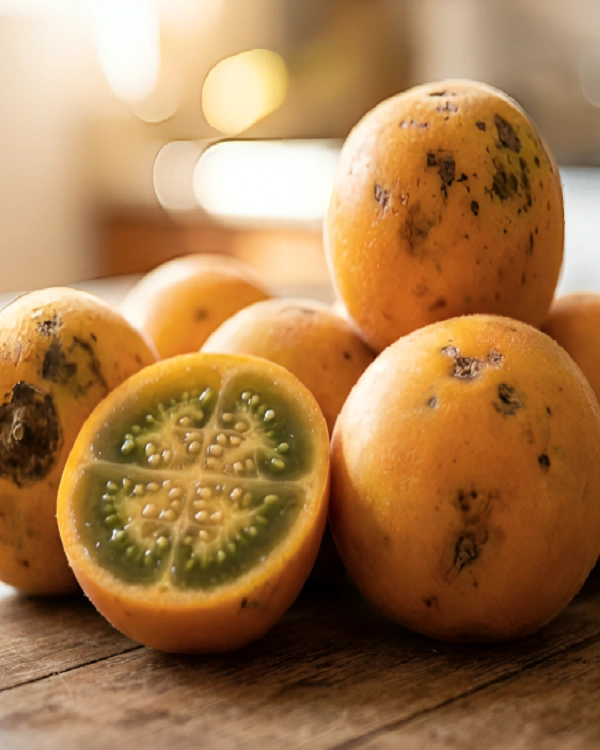
Naranjilla looks like a small, fuzzy orange tomato, but crack one open and you get a juice that tastes closer to pineapple and lime. Grown across Ecuador, Colombia, and Peru for generations, this Andean fruit rarely leaves South America, its skin bruises too easily to survive long shipping routes. Here’s what naranjilla actually is, how it grows, and why you probably haven’t tasted it yet.
What exactly is Naranjilla?
“Naranjilla” means “little orange” in Spanish. That name creates a common misunderstanding, because naranjilla is not related to citrus fruits at all. It actually belongs to the nightshade family, which places it alongside tomatoes, eggplants, and peppers. Colombians call the same fruit “lulo,” a name borrowed from the Quechua language.
The plant’s scientific name, Solanum quitoense, references Quito, the capital city of Ecuador, where the fruit grows abundantly. Botanists count naranjilla among more than 1,400 species in the Solanum genus, one of the largest plant genera in the world.
Where Naranjilla Grows
The subtropical understories of the Andes mountains provide the ideal home for this plant. Farmers cultivate it primarily in Ecuador, Colombia, and Peru, with smaller plantings in Costa Rica and Panama. Partial shade, well-drained soil, and a mild, humid climate all support healthy growth.
Strong winds and intense direct sun damage the delicate foliage, so growers often plant naranjilla beneath taller trees that provide natural protection.
One interesting characteristic regarding naranjilla farming is that it is focused in one area. A narrow fifteen-mile stretch of land in Ecuador, located near a tributary of the Amazon River, produces the majority of the world’s naranjilla supply. This geographic limitation restricts how much fruit reaches international markets each year.
What Does the Plant Look Like?
This herbaceous shrub can reach up to eight feet in height, though most cultivated varieties stay shorter. Its stems start soft and gradually become woody as the plant matures. Large, heart-shaped leaves, sometimes stretching close to eighteen inches long, cover the plant and give it a dramatic, almost prehistoric appearance.

Fine purple hairs cover the young leaves and stems, enhancing the plant’s unique appearance. Wild naranjilla plants also carry sharp spines, while farmers have bred spineless varieties that make harvesting easier and safer.
The Fruit Itself
The fruit itself starts out green and turns a bright yellow-to-orange color as it ripens. Each fruit measures roughly two to two-and-a-half inches across and grows in a round shape that resembles a small tomato. A layer of fine brown hairs covers the skin, but this fuzz rubs off easily once the fruit ripens, revealing smooth, glossy skin underneath.

Inside, the flesh stays juicy, green, and packed with small edible seeds. People often compare the taste to a mix of pineapple and lime, while others describe notes of rhubarb. This sharp, refreshing sourness makes naranjilla popular for juices rather than for eating raw.
Nutritional Value
This fruit delivers a genuinely impressive nutritional profile. Fresh fruit contains between 31 and 84 milligrams of vitamin C per 100 grams, a range that rivals or exceeds many common citrus fruits. The fruit also supplies meaningful amounts of potassium, calcium, and magnesium.
Recent laboratory research has examined the fruit more closely, studying not just the pulp but also the peel and seeds. That research found that naranjilla contains phenolic compounds and other plant chemicals that show antioxidant activity in laboratory testing.
Scientists have also observed antimicrobial effects against certain foodborne bacteria and fungi in controlled lab conditions. These findings point to naranjilla’s potential as a functional food, though researchers note that most of this fruit’s benefits remain understudied compared to more mainstream produce.
How People Use Naranjilla
Across the Andes, people squeeze naranjilla juice fresh and mix it with sugar and water to create a simple, refreshing drink.

It is still one of the most popular ways for families to eat the fruit at home. Beyond juice, cooks incorporate naranjilla into ice cream, sherbet, jams, and jellies, taking advantage of its bold, tart flavor to balance sweeter ingredients.
Fresh naranjilla is sold in the local markets in Ecuador and Colombia. The vendors usually select it just before it is fully ripe to make it easier to handle.
How to Grow Naranjilla
Gardeners in warm, humid climates can attempt to grow naranjilla at home, though the plant demands specific conditions to thrive. Naranjilla suits hardiness zones 10 through 12, which means it tolerates only mild winters and cannot survive frost. Growers in cooler regions typically raise it as a container plant that moves indoors when temperatures drop.
Full sun tends to scorch its large, soft leaves, so partial shade works better for healthy growth. Well-drained, nutrient-rich soil with a pH between 6.5 and 7 gives naranjilla the best chance to establish healthy roots. At full maturity, a naranjilla plant can reach around five meters in height, so gardeners should give it plenty of space to spread.

Self-pollination is another advantage for home growers, since a single plant can produce fruit without needing a second one nearby for cross-pollination. This makes naranjilla more practical for gardeners with limited space compared to fruit species that require multiple plants.
Gardeners should plant naranjilla in fresh soil, ideally avoiding beds where tomatoes or peppers have previously struggled with root problems. A home-grown naranjilla plant will stay healthy and eventually bear its unique orange fruit if given consistent hydration, protection from strong wind and shielding from intense afternoon sun.
Why Naranjilla Stays a Local Secret
Two main challenges keep naranjilla off the global market. First, root-knot nematodes damage plant roots so severely that farmers often clear fresh forest land to find uncontaminated soil, a practice that raises deforestation and erosion concerns in growing regions.
Second, the fruit bruises easily and cannot survive long-distance shipping, which confines most naranjilla to local and regional markets rather than international supermarket shelves.
Researchers and plant breeders continue working on nematode-resistant naranjilla varieties. Successful breeding could ease the pressure on forest land and eventually help naranjilla reach a wider audience of curious fruit lovers around the world.
A Fruit Worth Knowing
This fruit represents a fascinating example of a crop that thrives locally yet remains almost invisible globally. Its striking orange color, sharp tropical flavor, and strong nutritional profile make it a fruit worth seeking out for anyone traveling through Ecuador, Colombia, or Peru.
Naranjilla isn’t likely to become as common as bananas or oranges in supermarkets, but it remains a beloved ingredient in Andean homes, offering a unique flavor of the region’s natural variety to those who seek it out.
FAQs
Is naranjilla the same as lulo?
Yes. Naranjilla and lulo are the same fruit, Solanum quitoense. Ecuador, Costa Rica, and Panama call it naranjilla; Colombia calls it lulo.
Is naranjilla safe to eat raw?
Yes, once ripe. Rub off the brown hairs, cut it in half, and eat the pulp or squeeze the juice. As a general precaution, anyone with a known sensitivity to nightshade-family foods may want to try a small amount first.
How do you make naranjilla juice at home?
Blend the pulp with water and sugar to taste, then strain out the seeds if desired. Serve chilled.
Where can you buy naranjilla outside South America?
Because the fruit bruises so easily during shipping, you won’t often find it in regular supermarkets. If you’d like to try it, you might have luck at Latin American grocery stores or importers, but finding it can depend on where you live.

James Carter is a food researcher and writer passionate about global cuisines, street food, and the stories behind what we eat. He combines thorough research with a genuine love for food culture to bring readers accurate, well-written, and interesting content.