The Best Fluffy Pancakes recipe you will fall in love with. Full of tips and tricks to help you make the best pancakes.

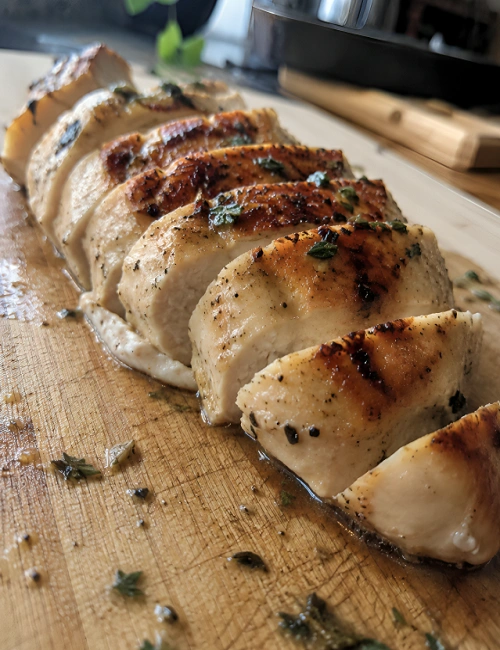
If you have ever bitten into a dry, rubbery piece of chicken and wondered where you went wrong, you are not alone. A good chicken breast recipe is not complicated, but it does depend on a few small details that most home cooks never learn.
Why Chicken Breast Deserves a Better Reputation
Chicken breast often gets blamed for being boring or dry, but the meat itself is not the problem. It is a lean cut with almost no fat to protect it, so a few extra minutes on the heat is all it takes to dry it out. Once timing and temperature control get more attention than the marinade or spice blend does, the results change completely.
It’s also one of the most practical proteins to keep in a weekly rotation. It is widely available, cooks in about 20 minutes from start to finish, and takes on almost any flavor profile, from lemon and herbs to smoky paprika or a simple garlic butter finish.
Choosing the Right Chicken Breast
Before any recipe can work well, the chicken itself needs to be right.
Look for even thickness
Most chicken breasts are thicker on one side than the other, which causes uneven cooking. Pounding the thicker end flat with a meat mallet or the bottom of a heavy pan solves this in under a minute.
Check the color
Fresh meat should look pale pink, never gray or dull.
Consider the size
Breasts weighing between 6 and 8 ounces cook more evenly than oversized ones, which are often harder to cook through without drying the outside.
Grocery store breasts have gotten noticeably bigger over the years, so buying a slightly smaller one, or cutting a large breast in half horizontally, usually gives a better result than fighting an oversized piece.
The Core Technique: Pan-Seared Chicken Breast
This method works on the stovetop, needs no special equipment, and comes together fast enough for a weeknight.

Ingredients
- 2 boneless, skinless chicken breasts (6–8 oz each)
- 1 tablespoon olive oil
- 1 teaspoon salt
- 1/2 teaspoon black pepper
- 1/2 teaspoon garlic powder
- 1/2 teaspoon paprika
- 1 tablespoon unsalted butter
- 1 clove garlic, smashed (optional)
- A few sprigs of fresh thyme or rosemary (optional)
Step-by-Step Instructions
1. Prepare the chicken
Use paper towels to dry the chicken breasts all the way through. This step is more critical than you may believe, for getting a good sear. For even cooking, pound any thicker portions to about ¾ inch thickness.

2. Season generously
Mix the salt, pepper, garlic powder, and paprika, then rub the mixture evenly over both sides of the chicken. Seasoning both sides, not just the top, is what gives every bite flavor instead of just the surface.

3. Heat the pan properly
Use a heavy-bottomed skillet, such as a cast-iron pan, and place it over medium-high heat. Add the olive oil and let it heat until it begins to shimmer, which usually takes about a minute.
Once the oil is shimmering, add the chicken. Starting with a properly heated pan is essential because it helps the chicken develop a rich, golden-brown crust instead of releasing moisture and steaming.
4. Sear the first side
Be careful not to crowd the pan when you put the chicken breasts in it. Let the chicken simmer undisturbed for 5-6 minutes. It’s important not to flip or disturb the chicken too soon, as this allows a good crust to develop.

5. Flip and add butter
Turn the chicken over, add the butter, garlic, and herbs to the pan, and cook for another 5 to 6 minutes. Tilt the pan occasionally and spoon the melted butter over the chicken for extra flavor.

6. Check the internal temperature
Insert an instant-read thermometer into the thickest part of the breast, avoiding the very center where it can be hollow. 165°F is the accepted safe minimum for poultry, and checking it is the only reliable way to know the chicken is truly done.
I have learned the hard way that color and firmness lie far more often than a thermometer does.
7. Rest before slicing
Let the chicken rest on a cutting board for 5 minutes after removing it from the pan before you slice it. This allows the juices, forced to the center during cooking, to redistribute and keep the meat flavorful. If you cut it too soon, those juices will spill out instead of staying inside.

What Actually Causes Dry Chicken Breast
Three mistakes account for almost every dry chicken breast:
Cooking straight from the fridge
Cold chicken takes longer to cook through, which means the outside overcooks before the inside catches up. Letting chicken sit at room temperature for 15 to 20 minutes before cooking helps it cook more evenly.
Guessing instead of checking temperature
Visual cues are unreliable. A thermometer removes the guesswork entirely.
Skipping the rest period
Even perfectly cooked chicken can taste dry if it is sliced immediately, because the juices have not had time to settle back into the meat.
Simple Variations
Once the base technique is solid, small changes create very different meals.
- Lemon herb version: Add lemon juice and zest to the butter in the final minutes of cooking.
- Garlic parmesan chicken breast: Sprinkle grated parmesan over the chicken during the last 2 minutes so it melts slightly.
- Spicy cajun version: Swap the paprika and garlic powder for a cajun seasoning blend.
- Baked, hands-off version: Season the chicken the same way and bake at 400°F (200°C) for 20 to 25 minutes, checking temperature at the 20-minute mark.
Nutrition Facts
A single 6-ounce cooked, skinless chicken breast provides approximately:
- Calories: 280
- Protein: 53 grams
- Fat: 6 grams
- Carbohydrates: 0 grams
These values are approximate and can vary slightly depending on the exact cut, size, and cooking method used.
Final Thoughts
A great chicken breast recipe does not need a long ingredient list or a complicated method. It needs dry, evenly sized chicken, a hot enough pan, a thermometer instead of a guess, and a short rest before slicing.
Once these habits become routine, it stops being the cut people dread and becomes one of the easiest, most reliable meals to put on the table.
FAQs
How many minutes does chicken breast actually need on the stove?
A 6 to 8 ounce chicken breast typically takes 10 to 12 minutes total over medium-high heat, split evenly between both sides, though exact time depends on thickness.
What temperature is chicken breast safe to eat at?
165°F is the accepted minimum safe internal temperature for all poultry, chicken breast included. The thermometer reading at the thickest part of the meat is the only way to confirm this, since appearance alone cannot.
Why does cooked chicken breast lose its tenderness and become rubbery?
Rubbery texture almost always means the pan sat on the heat too long after the chicken was already cooked through. The proteins tighten and push out moisture, and no amount of sauce fixes that once it happens.
Can I cook chicken breast from frozen?
It is possible but not ideal, since frozen chicken cooks unevenly. Thawing in the refrigerator overnight gives far more consistent results.
Is it better to cover the pan when pan-searing chicken breast?
Covering traps steam and can prevent a good sear from forming, so it is best left uncovered on the stovetop, especially during the first side.

Rachel Bradley is a food writer and recipe developer with a love for home cooking and global flavors. She has spent years testing recipes in her kitchen, exploring everything from quick weeknight meals to traditional dishes from around the world. Her goal is simple — make great food accessible to everyone.