The Best Fluffy Pancakes recipe you will fall in love with. Full of tips and tricks to help you make the best pancakes.

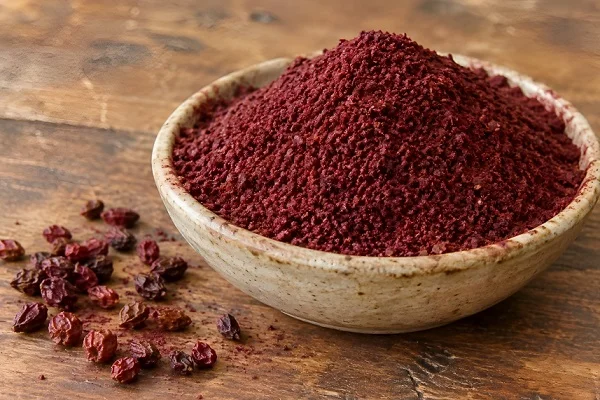
What is sumac? It is a tart, deep-red spice made from the dried and ground berries of the sumac shrub, mainly Rhus coriaria.
Cooks across the Middle East have sprinkled it over food for generations. A small pinch gives a dish a tangy, citrusy lift and a rich red color.
This guide explains where sumac comes from, how it tastes, how to cook with it, and what to use when your jar is empty.
Where Sumac Comes From
Sumac belongs to the Rhus genus in the Anacardiaceae family, also known as the cashew family. The spice most kitchens use comes from Rhus coriaria, a shrub native to southern Europe and western Asia.
The shrub produces dense clusters of small red berries. Producers dry the berries and grind them into a coarse powder that ranges from crimson to burgundy.
Cooks in Turkey, Iran, Lebanon, Syria and many neighboring countries use it as a souring agent in everyday food.
What Does Sumac Taste Like?
Sumac tastes tangy, fruity and slightly earthy. Most people compare it to lemon, but its sourness is softer and rounder, and it is generally milder than lemon juice or vinegar.
The tartness comes from organic acids, mainly malic acid, along with smaller amounts of citric and tartaric acid.
Oranges and green apples are both sour because of malic acid. Sumac adds acidity and brightness without the heat of a chili.
Sumac vs. Poison Sumac: Is It Safe?
Culinary sumac is safe to eat for most people. Poison sumac (Toxicodendron vernix) is a different plant from a different genus. You can tell them apart by their berries and habitat:
- Edible sumacs carry red, fuzzy berries in upright, cone-shaped clusters and usually grow in dry, open ground.
- Poison sumac carries loose, drooping clusters of white or grayish berries and grows in wet places such as swamps. All parts of it contain urushiol, the oil that causes a poison ivy-type rash.
Store-bought sumac is perfectly safe in this respect. If you want to forage wild sumac, have a local expert teach you to identify it first.
In North America, people also steep staghorn sumac (Rhus typhina) berries into a tart drink, often called sumac-ade.
How Cooks Use Sumac
Sumac works both as a cooking spice and as a finishing touch.
1. Grilled meat and fish
Rub it on chicken, lamb or kebabs before cooking, or dust it over them straight from the grill.
2. Salads
Sumac is a key ingredient in fattoush, the Levantine bread salad. It also wakes up a plain cucumber, tomato and onion salad.
3. Sumac onions
Toss sliced red onions with sumac and a little salt, then serve them beside kebabs. The sumac mellows the onion’s sharp edge.
4. Za’atar blends
Many za’atar blends include sumac, alongside thyme or oregano and toasted sesame seeds.
5. Dips and dairy
A pinch over hummus, labneh or plain yogurt adds color and zing.
6. Rice, eggs and vegetables
Sprinkle it on roasted vegetables, fried eggs, avocado toast or rice for a fresh finish.
7. Traditional dishes
Musakhan, the Palestinian dish of roasted chicken and onions on flatbread, uses sumac generously.
Tip: Many cooks add sumac near the end of cooking, or at the table, so its tang and color stay vivid.
Who Should Be Careful?
Sumac belongs to the same plant family as cashews, pistachios and mangoes.
Researchers have reported cases of people with cashew and pistachio allergies reacting to sumac, including one case of anaphylaxis.
How common this cross-reaction is remains unclear. If you have a tree nut allergy, ask your allergist before trying sumac.
Also read the label. Some commercial blends contain added salt, so taste your dish before adding more.
Best Substitutes for Sumac
No substitute matches sumac exactly, but these come close. Start small and adjust to taste.
| Substitute | How to use it | Best for |
| Lemon zest plus a pinch of salt | Use about the same amount of zest as the sumac called for | Salads, meat, rice, yogurt |
| Lemon juice | Add a small splash at the end, using less than the sumac amount | Dressings, marinades, sauces |
| Za’atar | Swap 1:1, and reduce any extra salt | Flatbreads, meats, dips |
| Lemon pepper | Use sparingly, since it is already salty | Grilled chicken and fish |
| Amchur (dried green mango powder) | Use a small amount, as it is very sour | Curries, marinades, chaats |
| Lime zest | Use as you would lime zest | Salads, seafood |
Which one should you pick? For a dry sprinkle on salads or meat, choose lemon zest with a pinch of salt. It is the closest match for sumac’s fresh, tangy kick.
Choose za’atar if you also want an herby, nutty note. Check the label first if you have a sesame allergy, since za’atar usually contains sesame.
To bring back the red tone, add a tiny pinch of sweet paprika to your substitute. It adds color, not sourness.
How to Buy and Store Sumac
- Look for deep, vibrant color. Pale brown or dull powder is usually old.
- Check the ingredients. Pure sumac should contain only sumac; some products may contain added salt.
- Smell it. Good sumac smells fruity and tart.
- Store it airtight in a cool, dark spot away from the stove. As a general rule, ground spices fade with time, so try to use them within a year or so.
Last Words
Sumac is a simple way to add tang and color to everyday meals. A pinch on a salad, grilled meat or yogurt is enough to change the dish.
Frequently Asked Questions
Is sumac spicy?
No. Sumac is sour, not hot.
Can I use sumac instead of lemon juice?
Yes, in dry uses. It adds acidity without extra liquid, which makes it ideal for sprinkling over finished dishes.
Is sumac the same as paprika?
No. Paprika comes from dried peppers and tastes sweet or smoky. Sumac comes from berries and tastes tart.
Is sumac the same as za’atar?
No. One is a single spice, the other is a blend.
Where can I buy sumac?
Look in Middle Eastern grocery stores, larger supermarkets, spice shops and online.

James Carter is a food researcher and writer passionate about global cuisines, street food, and the stories behind what we eat. He combines thorough research with a genuine love for food culture to bring readers accurate, well-written, and interesting content.