The Best Fluffy Pancakes recipe you will fall in love with. Full of tips and tricks to help you make the best pancakes.

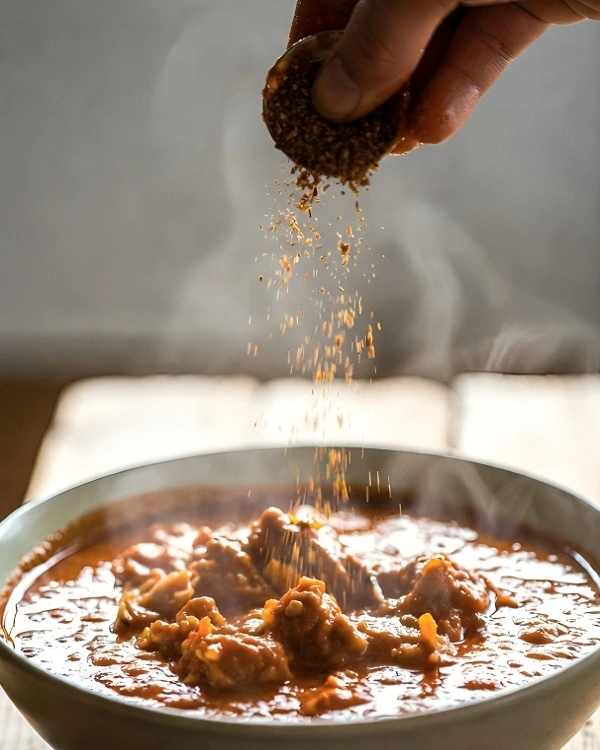
There’s a jar in my kitchen that never lasts more than two months. It’s not turmeric, not chili powder, it’s garam masala, and I go through it faster than almost anything else on my spice shelf.
If you’ve ever bought a bottle of pre-mixed garam masala from the grocery store and wondered why your curry didn’t taste like the one at your favorite Indian restaurant, most of the time, the answer is right there in that bottle.
Most store-bought blends have been sitting on a shelf for months, sometimes years, and the volatile oils that give whole spices their punch have simply faded away.
Making your own garam masala isn’t complicated. It takes about fifteen minutes, a dry pan, and a grinder. But it’s not as simple as mixing spices together. That’s why this guide isn’t just a recipe; it’s also an honest look at what garam masala is, how it varies from region to region, where people get it wrong, and how to store it so it stays fresh.
What Garam Masala Actually Is
“Garam” means warm, and “masala” means a mix of spices but the warmth here has nothing to do with chili heat. There’s no red chili in traditional garam masala at all.
The warmth refers to spices that, in Ayurvedic thinking, generate heat in the body: cinnamon, cloves, black pepper, cardamom. It’s the kind of blend that made sense in the cooler months of North India, long before refrigeration and imported produce made seasonal eating optional.
What throws people off is the assumption that garam masala has one fixed recipe. It doesn’t.
Ask five Punjabi households for their garam masala and you’ll get five different jars, each one a little different depending on what the grandmother who taught the recipe liked, what was available in the local spice market, and which dishes the family cooked most often.
There is no single “correct” version, which is honestly part of what makes it fun to make at home. You can tilt it toward whatever you like.
Garam Masala vs. Curry Powder
These two get confused constantly, partly because Western grocery stores often shelve them next to each other and partly because “curry powder” doesn’t really exist as a traditional Indian product it’s widely believed to be a British colonial-era adaptation meant to approximate Indian flavor in a single jar, though food historians still debate exactly how it came about.
| Garam Masala | Curry Powder | |
| Origin | Traditional North Indian spice blend | British colonial invention |
| Color | Brown | Yellow (from turmeric) |
| Contains turmeric? | Rarely | Almost always |
| Heat level | Warm, not spicy | Can be mild to hot |
| When it’s added | Usually at the end of cooking | Usually early in cooking |
| Main flavor notes | Cinnamon, clove, cardamom, pepper | Turmeric, coriander, cumin, fenugreek |
If a recipe calls for garam masala and you only have curry powder, it’ll work in a pinch, but the dish will taste noticeably different, more turmeric-forward and less aromatic.
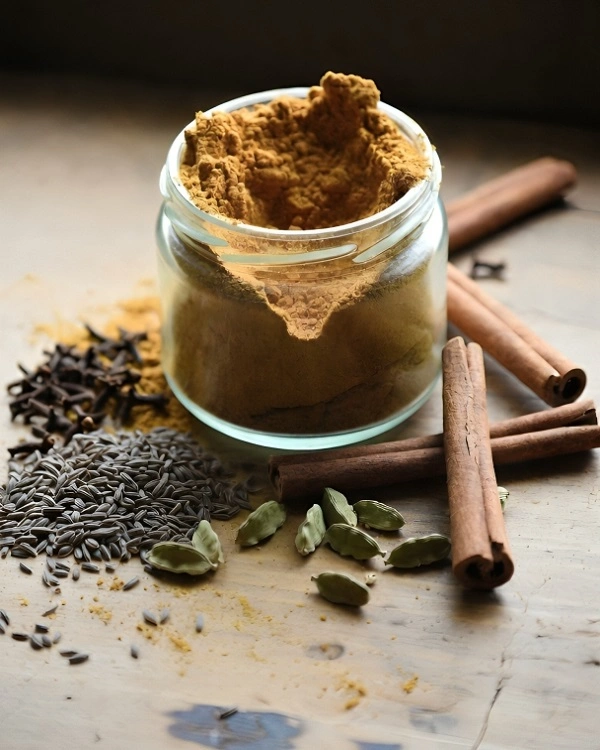
Regional Variations
This is the part most recipes skip entirely, and it’s a shame, because seeing how the blend actually shifts from state to state makes it a lot easier to understand why your homemade version won’t taste like anyone else’s.
Punjabi Garam Masala
Probably the version most people outside India have encountered. It leans on cumin, coriander, black pepper, cinnamon, cloves, and cardamom, and it’s the everyday blend used in dals, sabzis, and most home cooking across North India. The recipe card below follows this style.
Kashmiri Garam Masala
Skips cumin and coriander pretty much all together and leans more toward fennel, ginger powder, and sometimes saffron. It’s used sparingly and often added toward the very end of cooking.
Bengali Garam Masala
The simplest of the bunch often just cinnamon, cardamom, and cloves in roughly equal parts, ground fine and used as a finishing touch rather than a base seasoning.
Hyderabadi Garam Masala
Skips cumin and coriander too, but for a different reason it’s built to be intense and fragrant enough to hold its own in biryani, where it’s mixed into the meat during marination rather than added at the end.
Common Mistakes and How to Fix Them
The blend tastes bitter
This almost always means the spices were toasted too long or at too high a heat. Cloves and black pepper scorch quickly. If this happens, there’s no fixing that batch start over on lower heat and watch it more closely.
The garam masala has no smell after a few weeks
This usually means it’s just old, or it was ground too fine. A finer powder has more surface area exposed to air, so it fades faster than a coarse grind. There’s a longer fix for this in the Storage and Shelf Life section below.
The texture came out clumpy or damp
This is almost always a cooling issue. The spices went into the grinder while still warm. Let them cool fully next time.
One spice overpowers everything else
Cloves and black cardamom are the usual culprits since they’re the most potent. If your last batch was too heavy on one note, just scale that spice back by a third next time. This blend is genuinely forgiving to adjust.
Storage and Shelf Life
Ground garam masala stored in an airtight container, away from heat, light, and moisture, stays reasonably fragrant for about 3 to 4 months. After that, it doesn’t spoil in a dangerous sense, but it does go flat and the flavor gets duller and less complex.
If you want it to last longer, freezing works surprisingly well. A tightly sealed jar in the freezer can hold decent flavor for up to 6 months, though you’ll want to let it come to room temperature before opening to avoid condensation getting into the jar.
The most reliable way to extend shelf life, though, is to store the toasted whole spices instead of the ground powder, and grind small batches as you cook. Whole toasted spices hold their aroma for close to a year in a sealed container.
Substitutions and Dietary Notes
Garam masala is naturally gluten-free, dairy-free, and vegan, which makes it easy to work into most diets without adjustment.
If you have a nutmeg or mace sensitivity, you can simply leave it out; the blend will taste slightly less rounded but still work fine. Black cardamom can be swapped for extra green cardamom if you find its smoky flavor too strong or can’t find it locally.
If someone in your household needs to avoid pepper for digestive reasons, cutting the black peppercorns by half rather than removing them entirely usually keeps the blend balanced without the sharp heat.
Recipe
Homemade Punjabi-Style Garam Masala
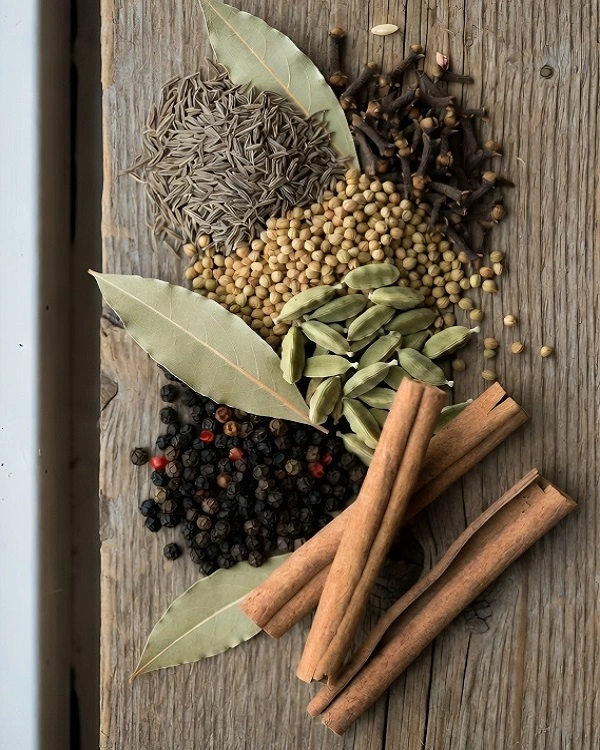
The everyday Punjabi style blend covered above toasted, ground, and ready to use. These proportions are a solid starting point based on common Punjabi-style recipes; feel free to nudge any spice up or down to match your own taste.
Prep Time: 5 minutes
Cook Time: 5 minutes
Total Time: 10 minutes
Yield: About ⅓ cup (roughly 16 servings at ½ tsp each)
Category: Spice Blend / Condiment
Ingredients
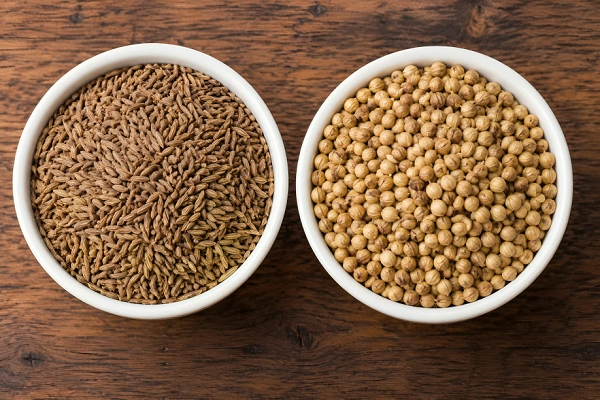
- 3 tbsp cumin seeds (about 20g)
- 2 tbsp coriander seeds (about 10g)
- 1 tbsp black peppercorns (about 8g)
- 1 tbsp green cardamom pods (about 6g)
- 1½ tsp cloves (about 4g)
- 1 cinnamon stick, 2-inch piece (about 5g)
- 2 black cardamom pods (about 4g)
- 2 Indian bay leaves (tej patta)
- ¼ tsp nutmeg, freshly grated (added after toasting)
Instructions
Toast the spices
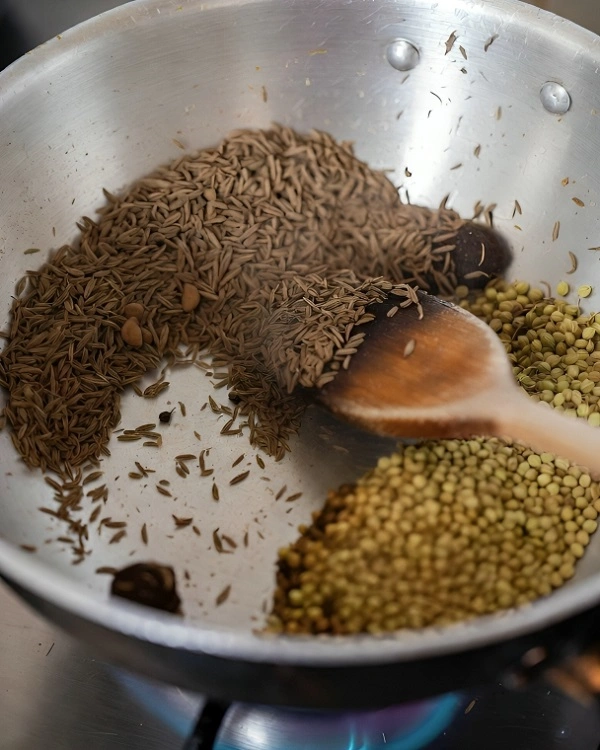
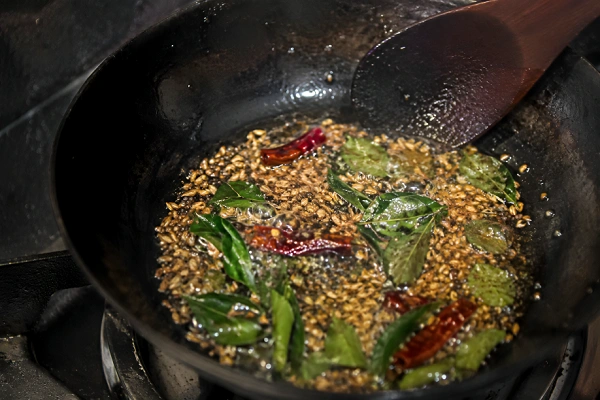
Heat a dry skillet over medium-low heat. Add all the spices except the nutmeg. Stir constantly for 3 to 5 minutes, until the kitchen smells distinctly stronger. Remove from heat the moment you notice any smoke or sharp burnt smell.
Cool completely
Spread the toasted spices on a plate and let them sit for about 10 minutes. Don’t skip this grinding of warm spices, it creates steam and turns the powder damp.
Grind
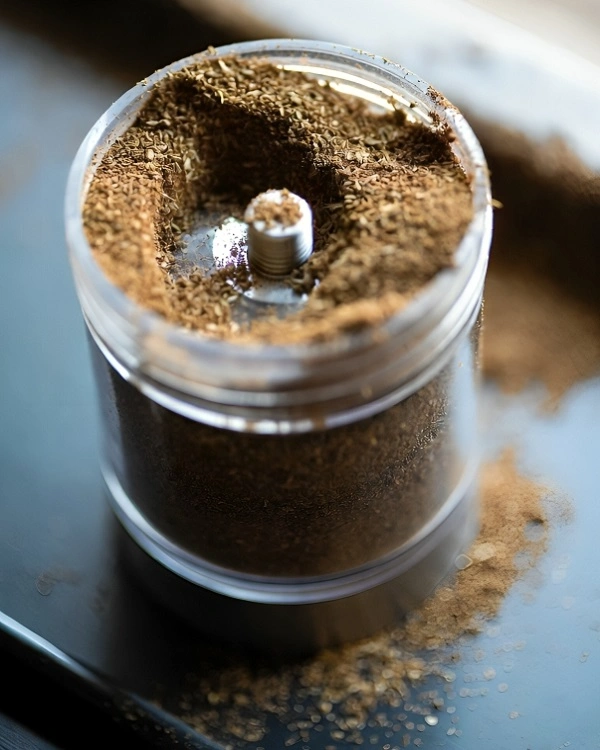
Add the cooled spices along with the raw nutmeg to a spice grinder or clean coffee grinder. Grind the cinnamon and cardamom pods first since they’re toughest, then blend everything into a fine, even powder.
Sift if needed
If any husk fragments remain (usually from the cardamom pods), pass the mix through a fine sieve and re-grind what doesn’t pass through.
Store
Transfer immediately to a clean, dry, airtight jar. Use within 3 to 4 months for the best aroma.
Notes
- For a milder blend, reduce the black cardamom to 1 pod.
- This recipe can be doubled or tripled; toasting and grinding time barely changes.
- Do you want it to last more than a few months? See the Storage and Shelf Life section above for the whole-spice trick.

Rachel Bradley is a food writer and recipe developer with a love for home cooking and global flavors. She has spent years testing recipes in her kitchen, exploring everything from quick weeknight meals to traditional dishes from around the world. Her goal is simple — make great food accessible to everyone.