The Best Fluffy Pancakes recipe you will fall in love with. Full of tips and tricks to help you make the best pancakes.

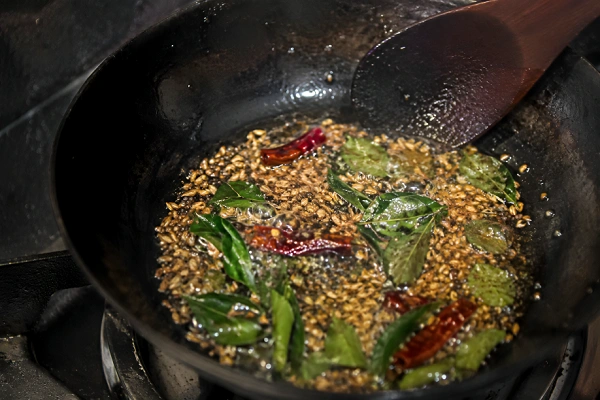
Learning how to bloom spices in oil is one of the most practical skills a cook can develop. The technique takes under two minutes, requires no special equipment, and produces a measurably deeper, more complex flavor in any dish that uses dried spices. This guide covers the science, the method, spice pairings, troubleshooting, storage, and a real recipe example everything needed to apply this technique confidently from the first attempt.
What Is Blooming Spices?
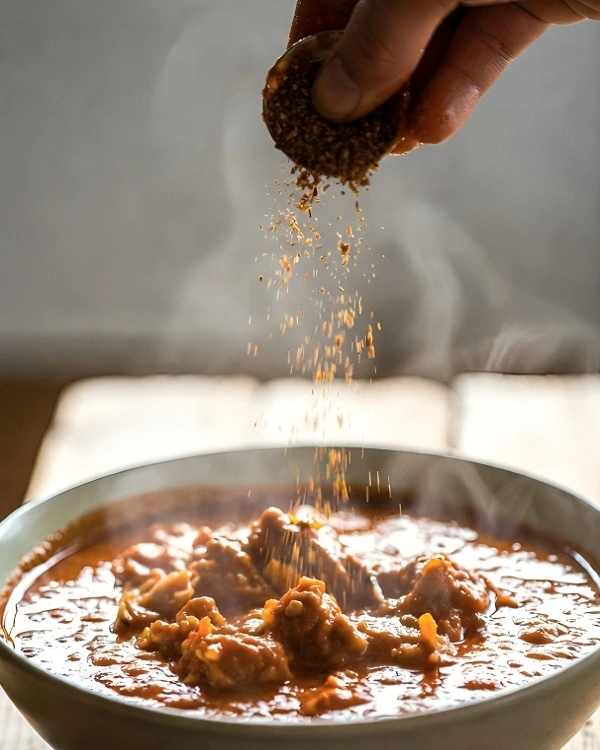
Blooming spices means heating whole or ground spices briefly in hot fat oil, butter, or ghee before any liquid or main ingredient is added. The heat draws out flavor compounds stored inside the dried spice and infuses them into the cooking fat. That flavored fat then carries aroma and taste evenly through every part of the dish.
The name comes from the fact that the spices seem to come to life. Ground spices darken slightly, whole seeds pop and sizzle, and a deep, sweet, or nutty fragrance fills the kitchen. The technique is called tadka or chaunk in Indian cooking and tempering in broader culinary language the underlying principle is identical across all cuisines.
Why It Works: The Science
Most flavor compounds in spices including terpenes, terpenoids, and essential oils are fat-soluble, not water-soluble. When spices are added to simmering liquid, only a fraction of their available flavor is extracted. These chemicals break down much more completely in hot oil.
Two things happen simultaneously:
Chemical extraction
Heat breaks open the dried spice’s cell walls, releasing compounds like curcumin in turmeric and piperine in black pepper directly into the surrounding fat.
Physical distribution
Oil coats surfaces and travels through the dish in a way water cannot. Spices bloomed in oil distribute flavor evenly; spices stirred into broth deliver uneven, localized flavor.
The Maillard reaction also contributes heat creates entirely new flavor molecules that do not exist in raw or simmered spices. This is why bloomed spices taste fundamentally different, not just stronger.
A useful way to think about it: oil is the vehicle that picks up flavor from the spice and delivers it everywhere. Water-based liquids leave most of that flavor behind in the spice itself.
Reading the Oil Without a Thermometer
The ideal blooming temperature is 130–150°C, but these practical cues are more useful than any number:
Too cold: Oil looks still and flat. A spice dropped in sinks with no sizzle. Wait longer.
Getting there: Oil begins to shimmer slightly and moves more fluidly when the pan tilts.
Ready: Oil shimmers clearly. If you drop a pinch of ground spice in, it sizzles right away. A small piece of bread dropped in bubbles gently around the edges within a few seconds.
Too hot: Oil is visibly smoking. Remove the pan from heat, let cool 30 seconds, then proceed. Adding spices to smoking oil will burn them instantly.
Water drop test: Flick one small drop of water into the oil. Quick sizzle and evaporation means ready. No reaction means too cool. Aggressive spitting means too hot.
Whole Spices vs. Ground Spices
These two forms act in different ways and need to be dealt with separately.
Whole spices
such as cumin seeds, mustard seeds, coriander seeds, cardamom pods, cinnamon sticks, cloves, star anise, and black peppercorns have a protective outer layer that slows heat penetration. They can handle more and can stay in oil for 45 to 90 seconds. They are ready when seeds sputter or pop, aroma deepens, and color shifts to golden-brown.
Ground spices
including cumin powder, turmeric, chili powder, paprika, coriander powder, and garam masala have a large surface area in direct contact with heat. They release flavor fast but burn fast. The window is just 30–60 seconds. Stir continuously and add the next ingredient the moment the aroma intensifies.
The practical rule: When using both in one dish, add whole spices first. Let them bloom fully. Then add ground spices separately for their shorter bloom.
Spice Pairings: What to Bloom Together
Knowing which spices to combine and which to keep separate prevents one from burning while another is still releasing.
Bloom together (similar timing):
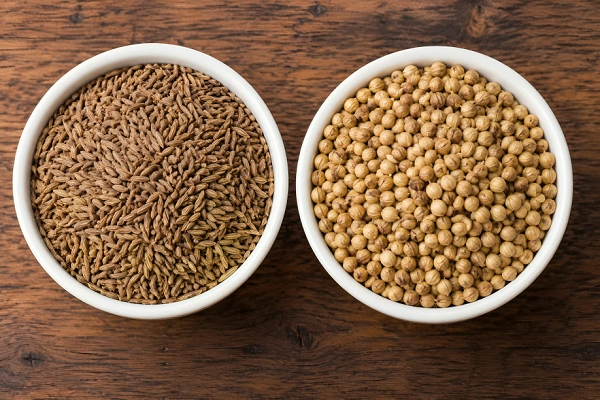
- Cumin seeds + coriander seeds — earthy and citrusy, both 60–75 seconds
- Mustard seeds + curry leaves — classic South Indian pairing; mustard seeds take 45–60 seconds, add curry leaves in the last 5–10 seconds only as they splatter and finish almost instantly
- Cardamom + cloves + cinnamon — aromatic base for biryanis, 30–45 seconds
- Cumin powder + coriander powder — always together, 30–45 seconds
- Turmeric + chili powder — very fast, 15–30 seconds, move quickly
Add separately:
- Whole spices always before ground spices
- Garam masala at the very end it is a delicate blend that needs minimal heat regardless of brand; bloom briefly at lower heat than other ground spices
- Asafoetida (hing) is a whole spice that only lasts 10–15 seconds in shimmering hot oil. This is also true for the combined hing that you can find in most kitchens
Step-by-Step Method
Step 1 Prepare everything first
Measure spices. Chop onions, mince garlic, open cans, measure broth. Have everything within arm’s reach. Once spices go into hot oil, there is no time to look for anything.
Step 2 Choose your fat
Use 1–2 tablespoons for 2–4 servings. Choose based on cuisine ghee for Indian, olive oil for Mediterranean, vegetable oil for a neutral base, coconut oil for Southeast Asian.
Step 3 Heat pan first, then add oil
A hot pan with room-temperature oil reaches blooming temperature faster and more evenly than starting cold.
Step 4 Confirm oil is ready
Using the visual cues above shimmer, sizzle on contact, gentle bread bubble.
Step 5 Add whole spices first
Stir immediately. Allow 45–90 seconds, stirring occasionally, until seeds pop and deepen in color.
Step 6 Add ground spices
Stir continuously without stopping. 30–60 seconds maximum. The moment aroma intensifies and color deepens, move immediately to the next step.
Step 7 Add aromatics or liquid immediately
Onions, garlic, ginger, or broth whichever the recipe calls for next. This stops the blooming and carries the flavor into the dish.
Quantity Scaling Guide
| Servings | Fat | Whole Spice Seeds | Ground Spices |
| 1–2 people | 1 tbsp | ½ tsp | ¼–½ tsp each |
| 3–4 people | 1.5 tbsp | ¾ tsp | ½–1 tsp each |
| 5–6 people | 2 tbsp | 1 tsp | 1–1.5 tsp each |
| 7–8 people | 2.5–3 tbsp | 1.5 tsp | 1.5–2 tsp each |
What counts more than absolute amounts is the ratio of fat to spice. Too little oil causes scorching. Too much dilutes the flavor. There shouldn’t be fat swimming around the spices; there should be fat all around them.
Which Oils Work Best
| Fat | Smoke Point | Best Cuisine Use | Flavor Added |
| Ghee | ~250°C | Indian curries, dal, rice | Rich, nutty depth |
| Avocado oil | ~270°C | Any cuisine | Neutral, maximum safety |
| Coconut oil | ~177°C refined | Southeast Asian, Caribbean | Mild sweetness |
| Vegetable oil | ~204°C | General purpose | Neutral |
| Extra virgin olive oil | ~160–190°C | Mediterranean, low-medium heat only | Fruity, grassy note |
| Refined olive oil | ~220°C | Mediterranean, medium-high heat | Mild, cleaner than EVOO |
| Butter | ~150°C | Sauces, European dishes | Creamy complexity |
Cold oil method: Adding ground spices to cold oil and heating together gradually reduces scorching risk. Particularly useful for delicate spices like turmeric and paprika.
Spice Timing Reference
| Spice | Form | Time | Ready When |
| Cumin seeds | Whole | 60–75 sec | Golden-brown, earthy aroma |
| Mustard seeds | Whole | 45–60 sec | Popping and jumping |
| Coriander seeds | Whole | 60–90 sec | Light golden, citrusy scent |
| Cardamom pods | Whole | 30–45 sec | Puff slightly, floral aroma |
| Cloves | Whole | 20–30 sec | Swell slightly, intense aroma |
| Cinnamon stick | Whole | 20–30 sec | Uncurls, sweet woody scent |
| Black peppercorns | Whole | 30–45 sec | Puff, sharp aroma intensifies |
| Curry leaves | Fresh/Dried | 5–10 sec | Splatter immediately, bright green darkens slightly add last among whole spices |
| Turmeric | Ground | 15–25 sec | Slight darkening very fast |
| Cumin powder | Ground | 30–45 sec | Darkens, deep warm aroma |
| Chili / paprika | Ground | 20–30 sec | Oil turns red, smoky-sweet |
| Garam masala | Blend | 20–30 sec | Warm complex fragrance |
| Asafoetida (hing) | Ground | 10–15 sec | Immediately pungent |
What to Do When Things Go Wrong
Somewhat darker than imagined, but not black, spices
Not burned. Add liquid immediately. Flavor will be deeper but the dish is fine.
Spices black and smell bitter
Discard everything. Wipe the pan clean, let cool, and start again. Burned spices cannot be recovered they will make the entire dish taste bitter.
Oil started smoking before spices were added
Remove from heat. Cool 30–45 seconds. Oil is still usable. When shimmer comes back and the smoke goes away, go.
Spices not sizzling when added
Oil is not hot enough. Wait and stir bloom will happen as temperature rises. Do not increase heat sharply to compensate.
Ground spices clumping in oil
Too little oil for the quantity. Add another half tablespoon and stir vigorously. Clumped spices scorch unevenly.
Dish tastes bitter after cooking
Spices were likely over-bloomed or past their usable life. The natural oils in spices can go bad over time, giving them off and bitter tastes even when they’re properly bloomed. Lessen the heat a bit and cut the bloom time by 10 to 15 seconds the next time. Also, check the freshness of the spices; if they don’t smell very raw right out of the jar, throw them away.
Storing Bloomed Spice Oil
It saves time during the week to bloom a batch of spice oil ahead of time, but this only works for dry spices.
How to make it: Heat 4–6 tablespoons of neutral oil or ghee, bloom chosen dry spices only, cool completely, strain out whole spices, and pour into a clean glass jar.
Storage: Store in a glass jar with a lid in the refrigerator for seven to ten days.
Important food safety note: Do not add fresh garlic, fresh ginger, or any fresh ingredient to oil intended for storage. Refrigerated fresh garlic in oil is also a concern, since it can produce an anaerobic environment, which is ideal for growth of Clostridium botulinum, the bacteria that causes botulism. This is an established food safety risk recognized by food safety authorities. Fresh aromatics should always be added fresh at the time of cooking, never stored in oil.
Best spices for stored oil: Cumin seeds, mustard seeds, coriander seeds, dried chili flakes, cinnamon sticks. These hold flavor well over several days in oil.
Does not store well: Turmeric and garam masala their flavor fades quickly in stored oil and can turn stale within days. Bloom these fresh each time.
Best uses for stored bloomed oil: Drizzle over cooked dal, rice, or roasted vegetables. Use as a base fat for a new meal. Add a spoonful to plain yogurt or soup before serving.
Real Recipe Application: Simple Bloomed Spice Dal
Ingredients (serves 4):
- 1 cup red lentils, rinsed
- 3 to 3.5 cups water
- 1.5 tbsp ghee or vegetable oil
- 1 tsp cumin seeds
- ½ tsp mustard seeds
- ¼ tsp asafoetida (hing)
- 8–10 fresh curry leaves
- 1 tsp cumin powder
- ½ tsp turmeric
- ½ tsp chili powder
- 1 medium onion, finely chopped
- 3 garlic cloves, minced
- Salt to taste
Method:
Cook lentils in 3 to 3.5 cups water until completely soft, about 20 minutes. Different lentil brands absorb slightly different amounts of water start with 3 cups and add the remaining half cup if the lentils look too thick before they are fully cooked. Set aside.
Heat the ghee in a different pan over medium heat until it shimmers. Add mustard seeds and wait for them to pop about 45 seconds. Stir in the cumin seeds for an additional 30 seconds or until golden. When you add the curry leaves, they will splatter right away. Stir for only 5–10 seconds. Stir for 10 seconds after adding the asafoetida.
For five to six minutes, until the onion is soft and golden, add the garlic. Add garlic, cook 1 minute. Insert cumin powder, turmeric, and chili powder stir continuously for 30–40 seconds until the aroma deepens and color darkens slightly.
Add the whole spice blend that has bloomed to the cooked lentils. Stir, add salt, and simmer together for 5 minutes.
The difference: The same dal made by adding all spices directly to the lentil water tastes flat and one-dimensional. With blooming, the cumin’s earthiness, the mustard’s sharpness, and the chili’s warmth are each distinct but unified into a rich, layered base.
Applications Across Cuisines
Indian cooking
Tadka is applied at the start of curries, dal, and rice dishes, or poured over finished dishes as a finishing layer. Classic combinations: cumin + mustard + curry leaves in ghee for dal; cardamom + cloves + cinnamon for biryani base.
Mexican and Latin
Chili powder, ancho, chipotle, and cumin are bloomed in oil before building the base for enchilada sauce, mole, pozole, and black beans. The smoky, earthy depth of these dishes comes directly from this step.
Mediterranean and Middle Eastern
Coriander, cumin, cinnamon, and allspice warmed in olive oil before adding tomatoes or broth used in shakshuka, lentil soup, and stuffed vegetables. A simple pasta sauce improves noticeably with dried oregano and chili flakes bloomed for 30 seconds before tomatoes are added.
Everyday soups and stews
Any broth-based soup benefits from 30–45 seconds of blooming before liquid goes in. Black pepper, bay leaves, thyme, and smoked paprika all respond well.
Baked goods
Bloom cinnamon, nutmeg, cardamom, or ginger in the butter or oil the recipe already calls for. Let it cool to room temperature, and then use it regularly. The difference in banana bread, spiced cookies, and cinnamon rolls is noticeable.
Key Takeaways
Use 1–2 tablespoons of fat at medium heat. Confirm readiness through visual cues shimmer, immediate sizzle, gentle bread bubble rather than relying only on timers. Add whole spices before ground spices. Put the curry leaves in last, after the whole spices. Do this for only 5 to 10 seconds. Trust the aroma over the clock. Add the next ingredient immediately when spices are ready.
For advance preparation, store bloomed spice oil made with dry spices only never fresh garlic or ginger refrigerated in a sealed glass jar for up to 7–10 days. For baked goods, bloom spices in the fat the recipe already calls for, then cool before using.
Applied consistently, this single technique upgrades the flavor of virtually any dish that contains dried spices regardless of cuisine, cooking level, or equipment.

Rachel Bradley is a food writer and recipe developer with a love for home cooking and global flavors. She has spent years testing recipes in her kitchen, exploring everything from quick weeknight meals to traditional dishes from around the world. Her goal is simple — make great food accessible to everyone.