The Best Fluffy Pancakes recipe you will fall in love with. Full of tips and tricks to help you make the best pancakes.

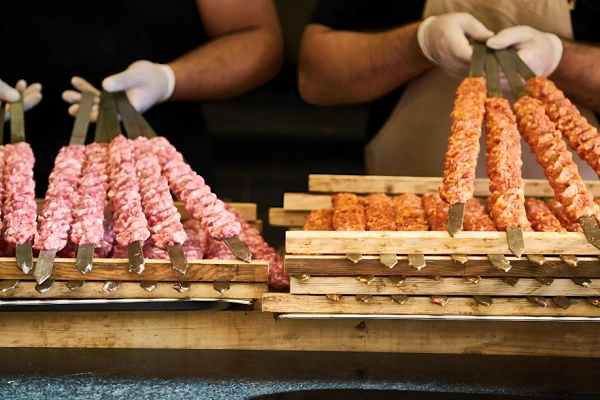
Many people assume Turkish food must be fiery. You hear “kebab,” you picture smoke and heat, and suddenly you’re worried about whether you’ll survive the meal. Honestly, that assumption is pretty far off from reality.
The straight answer: Turkish food is not really spicy. But “not spicy” does not mean boring or bland and that distinction matters a lot here.
Flavor and Heat Are Two Different Things
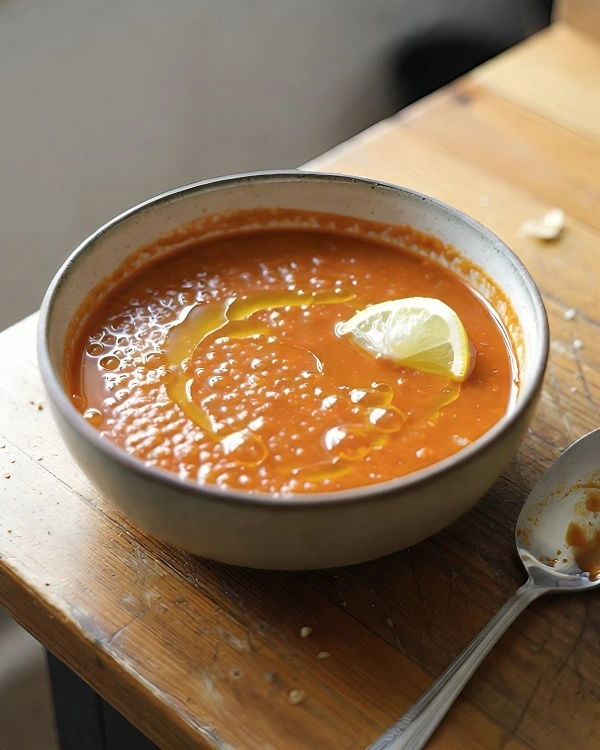
Turkish cooking is built around flavor, not around burning your tongue. When you eat a bowl of red lentil soup in Turkey, it tastes deep and rich. There’s cumin, dried mint, a squeeze of lemon but nothing is going to make your eyes water.
The whole idea behind Turkish cooking is that the main ingredient should still taste like itself. Meat should taste like meat. Eggplant should taste like eggplant. Spices are there to lift the flavor, not to bury it.
So yes, Turkish food uses a lot of spices: cumin, sumac, dried mint, allspice, black pepper, sometimes a touch of cinnamon. These make food taste complex and warm. None of them are going to set your mouth on fire.
That Said, Heat Does Exist
It would also be wrong to say Turkish food has zero heat. It exists, it’s just not the default.
Pul Biber
The most important chili in Turkish cooking is called pul biber. It’s a dried red pepper flake, slightly oily, with a mild to medium heat and a fruity flavor. You’ll find it on almost every restaurant table in Turkey not already in the food, but as a condiment on the side. You add as much or as little as you want. That’s the key thing: heat in Turkish food is largely optional and personal.
Isot The Dark Pepper from Urfa
Another chili worth knowing is isot, also called Urfa pepper. It’s dark, almost brownish-purple, and comes from the Urfa region in southeastern Turkey. The flavor is smoky and slightly earthy, and the heat builds slowly rather than hitting you upfront.
It’s quite different from sharp chili heat, more of a background warmth than a punch.
Adana Kebab The One That’s Actually Spicy
If there’s one mainstream Turkish dish that’s genuinely hot, it’s Adana kebab. It’s hand-minced lamb mixed with red pepper and grilled on a flat skewer over charcoal. The heat here is real and intentional. This dish is supposed to have a kick. Its milder cousin, Urfa kebab, uses the same style but with less heat and a softer flavor.
It Depends a Lot on Where in Turkey You Are
Turkey is a large country, and food changes dramatically from region to region. This is something people often miss when they think about Turkish cuisine as one single thing.
Southeastern Turkey
Cities like Adana, Gaziantep, and Şanlıurfa are where Turkish food gets genuinely spicy. This part of Turkey shares culinary influences with the Middle East, and the use of chilies and pepper pastes is much more common here. If you’re eating in this region, expect more heat than you would elsewhere.
Istanbul and Western Turkey
In Istanbul, along the Aegean coast, and across western Turkey, food tends to be much gentler. Olive oil is used extensively, fresh vegetables and herbs dominate, and the focus is on light, clean flavors. Most meze dishes here are mild and refreshing. Seafood is common. Spice exists but stays in the background.
The Black Sea Region
The Black Sea coast has its own food culture centered around anchovies, corn, and hearty greens. Spice is used subtly here. The food is earthy and comforting but nowhere near hot.
The Condiment System Heat Is in Your Hands
One genuinely smart thing about how Turkish food works is that heat is usually a choice, not an imposition. Most restaurants put pul biber on the table along with pepper paste called biber salçası which comes in two versions: sweet and hot. You decide how much goes on your plate.
This means the same dish can be mild for one person and spicy for another sitting at the exact same table. It’s a flexible system that works well for mixed groups.
If You’re Sensitive to Spice
A few things worth knowing before you order:
Döner kebab and İskender kebab are both mild. Döner is seasoned rotating meat served with yogurt and tomato sauce no real heat. İskender is a richer version of the same, served over bread with butter poured on top. Both are safe choices.
Meze dishes are almost always gentle. Cacık (yogurt with cucumber and garlic), hummus, smoked eggplant dip, stuffed grape leaves none of these are spicy.
Pide, which is a boat-shaped flatbread with various toppings like cheese, egg, or meat, is herb-flavored and mild.
The word to watch for is “acı” it means hot or spicy in Turkish. If you see it on a menu or hear it when ordering, that’s your signal.
And yogurt is your best friend. Turkish food is full of yogurt-based sides and sauces, and they genuinely cool things down if something turns out to be more peppery than expected.
What About Turkish Breakfast?
Turkish breakfast called kahvaltı deserves a mention because it’s one of the most celebrated meals in the country and it has essentially no spice at all. A proper spread includes cheeses, olives, honey, clotted cream, eggs, tomatoes, cucumbers, and fresh bread.
It’s flavorful in the best possible way, but there’s nothing that could bother even the most spice-sensitive person. If you’re ever nervous about trying Turkish food, starting with breakfast is a genuinely good idea.
Final Words
Turkish food is not spicy in the way Indian, Thai, or Mexican food can be. It’s a cuisine built around balance and freshness, savory without being harsh, aromatic without being overwhelming. The heat that does exist is mostly found in the southeast of the country, in specific dishes like Adana kebab, and in condiments that you control yourself.
If you go into a Turkish meal expecting to suffer through heat, you’ll almost certainly be pleasantly surprised. And if you love spice, the option to add it is right there on the table literally.
FAQs
Q1: Is Turkish food spicy in general?
No. Turkish food is flavorful and well-seasoned but not hot in the way most people fear. The focus is on herbs, aromatics, and balance, not on chili heat.
Q2: What is pul biber and do all Turkish dishes contain it?
Pul biber is a dried red pepper flake with mild to medium heat and a fruity flavor. It is not cooked into most dishes, it sits on the table as a condiment so you can add as much or as little as you like.
Q3: Which Turkish dish is the spiciest?
Adana kebab is the most well-known spicy dish in Turkish cuisine. It is made with minced meat mixed with red pepper and grilled over charcoal. If you are sensitive to heat, this is the one dish to be cautious about.
Q4: Is food in Istanbul spicy?
Not really. Istanbul and western Turkey generally serve milder food influenced by Ottoman palace cooking lots of olive oil, fresh vegetables, and herbs. Heat is minimal.
Q5: Which part of Turkey has the spiciest food?
Southeastern Turkey cities like Adana, Gaziantep, and Şanlıurfa. This region uses chilies and pepper pastes more heavily than anywhere else in the country.
Q6: What does isot pepper taste like and is it very hot?
Isot (Urfa pepper) is mild in heat. It has a smoky, raisin-like flavor with hints of coffee and tobacco. The heat builds slowly rather than hitting you immediately. It is more about depth of flavor than actual spiciness.
Q7: Can I ask for food without spice at a Turkish restaurant?
Yes, and it is easy to do. Most Turkish dishes are already mild by default. Simply avoid adding pul biber or pepper paste from the table condiments and you will be fine.

James Carter is a food researcher and writer passionate about global cuisines, street food, and the stories behind what we eat. He combines thorough research with a genuine love for food culture to bring readers accurate, well-written, and interesting content.