The Best Fluffy Pancakes recipe you will fall in love with. Full of tips and tricks to help you make the best pancakes.

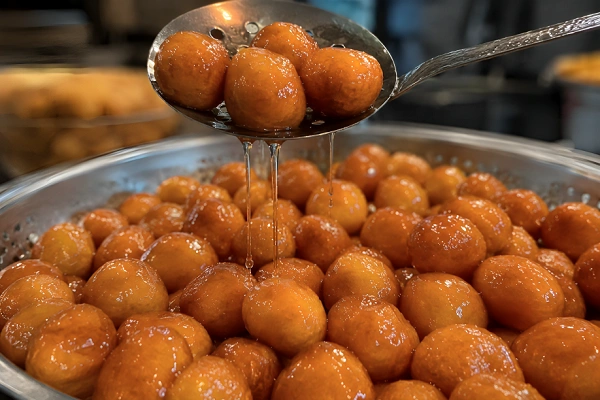
The lokma recipe is one of the oldest and most beloved street foods in Turkish cuisine. These small, pillowy balls of yeast dough are deep-fried until golden, then generously soaked in warm honey or sugar syrup. The name comes from the Arabic word “luqma,” meaning a bite or a morsel and that is exactly what they are. One crispy, syrup-drenched morsel after another.
Lokma has been a part of Turkish culinary and cultural life for centuries. Street vendors sell them fresh from large cauldrons in cities like Istanbul, İzmir, and Bursa. Families prepare them during Ramadan, on holy days, and at communal gatherings. The dish is simple by design flour, yeast, oil, and syrup but the technique behind it makes all the difference between a greasy, dense fritter and a light, crispy, perfectly fried lokma.
This guide covers everything: authentic ingredients, exact technique, expert tips, and the most popular variations. Whether you call it lokma, luqaimat, or loukoumades, the fundamentals are the same and they work.
Quick Facts
- Prep Time: 20 minutes
- Rest/Rise Time: 1 hour
- Cook Time: 25 minutes
- Total Time: ~1 hour 45 minutes
- Servings: 4 people (approximately 40 pieces)
- Oil Temperature: 175–180°C (347–356°F)
What Is Lokma?
Lokma is a traditional Turkish deep-fried pastry made from a simple yeast dough. The dough is softer than bread dough, virtually pourable which creates the unique hollow, light interior and crispy exterior of the completed pieces. After frying, they are immediately submerged or drizzled in syrup made from sugar, water, and lemon juice. Some cooks use honey syrup instead, which gives a slightly richer, more floral flavor.
The dish has roots that predate the Ottoman Empire. Historical records place early versions of lokma-like fritters across the Middle East and Mediterranean region as far back as the 13th century. In Turkey today, it remains deeply tied to religious and communal traditions. Families prepare and distribute lokma on the anniversaries of loved ones, on holy days like Muharram, and during Ramadan.
Outside Turkey, you will find nearly identical versions across the Arab world (known as luqaimat in Gulf countries), Greece (loukoumades), and parts of North Africa. Each region adds its own topping date syrup, tahini, thyme honey, or cinnamon sugar but the fried yeast dough base remains consistent across all of them.
Ingredients
For the Dough
- 2 cups (250g) all-purpose flour (plain flour)
- 7g instant dry yeast (1 standard sachet)
- 1 cup + 2 tablespoons (270ml) warm water (40–42°C)
- 1 teaspoon granulated sugar
- ½ teaspoon fine salt
- 1 tablespoon neutral oil (sunflower or vegetable)
The Syrup
- 1½ cups (300g) granulated sugar
- 1 cup (240ml) water
- 1 tablespoon fresh lemon juice
- 2 tablespoons liquid honey (optional, for a richer flavor)
For Frying
- 4–5 cups neutral oil (sunflower or canola) for deep frying
Optional Toppings
- Ground cinnamon (to taste)
- Crushed pistachios or walnuts (2–3 tablespoons)
- Sesame seeds, raw or toasted (1 tablespoon)
Ingredient note: Use warm not hot water. Water above 45°C kills the yeast. Touch it to your wrist; it should feel pleasantly warm, like bath water. The 1 teaspoon of sugar feeds the yeast and helps it activate faster, not sweeten the dough itself.
Step-by-Step Instructions
Part 1: Make the Dough
Step 1 Activate the yeast
In a large basin stir together the warm water, sugar and instant yeast. Stir briefly and let it sit for 5–8 minutes. You should see it begin to foam and smell slightly yeasty that tells you the yeast is alive and active. If nothing happens after 10 minutes, discard it and start with fresh yeast; the batch will not rise properly otherwise.
Step 2 Mix the batter
Add the salt and tablespoon of oil to the yeast mixture. Add the flour in gradually, stirring as you add. Mix until you have a smooth, thick, lump-free batter. It should look like a very thick pancake batter; it will not ball up like bread dough, and that is exactly right. Do not be tempted to add more flour; the wet batter is what produces the light interior texture after frying.
Step 3 Rest and rise
Cover the bowl tightly with cling film or a clean kitchen towel and leave it in a warm, draft-free spot for 60 minutes. The batter should roughly double in size and look bubbly on the surface. In cooler kitchens, you can place the covered bowl inside a turned-off oven with just the oven light on. That mild temperature (about 28-30°C) gets the rise going beautifully.
Part 2: Make the Syrup
Step 4 Combine and simmer
Over medium-low heat, mix the sugar and water in a medium-sized pot. Stir just until the sugar dissolves completely once it reaches a boil, stop stirring entirely. A spoon dragged through boiling syrup causes crystallization, which turns it grainy. Let the syrup boil for 8–10 minutes until slightly thickened. You are not going for a caramel; the syrup should still be pourable and relatively thin.
Step 5 Add lemon and cool
After taking it off the heat, add the lemon juice and mix it in. The lemon does two things: it prevents crystallization and adds a gentle brightness that stops the sweetness from feeling one-dimensional. Let the syrup cool to room temperature before using this is important for the right final texture.
Important Syrup timing matters: Make the syrup before you start frying so it has time to cool down. Cold syrup on hot lokma creates the right crispy-yet-soaked texture. Hot syrup on hot lokma gives you soft and soggy throughout.
Part 3: Fry the Lokma
Step 6 Heat the oil
Pour neutral oil into a deep, heavy-bottomed pot or a wok to a depth of at least 8cm (3 inches). Heat it over medium-high to 175–180°C (347–356°F). If you have one, use a cooking thermometer. This range is important. Too cool and the lokma absorbs oil and turns greasy. Their outsides burn before they’re fully cooked if they’re too hot. If you do not have a thermometer, drop a tiny bit of batter in; it should sink briefly, then immediately rise and sizzle steadily.
Step 7 Drop the batter
Dip a soup spoon or a small ice cream scoop in the hot oil first (this prevents sticking), then scoop a heaped teaspoon of batter and drop it gently into the oil. Repeat. Working in batches of 6–8 pieces at a time do not crowd the pan or the oil temperature drops and the lokma absorbs excess grease. The wet batter will naturally form rough spheres as it hits the hot oil.
Step 8 Fry until golden
Fry each batch for 3–4 minutes, turning the pieces frequently with a slotted spoon or chopsticks. Lokma need to be turned often because they tend to float unevenly. You are looking for a deep, even golden-amber color all over not pale yellow (undercooked center) and not dark brown (bitter outside). Drain each batch on a paper towel-lined plate for 30–45 seconds.
Step 9 Soak in syrup
Immediately transfer the drained lokma into the cooled syrup. Turn them around with a spoon so every piece gets coated. Some people prefer just a drizzle of syrup on top rather than a full soak that gives a lighter, crispier result. Serve right away.
Pro tip for perfect rounds: Wet your spoon slightly with oil before each scoop. The batter slides off cleanly and forms a rounder shape in the oil. Street vendors in Turkey use their thumb and forefinger to pinch off portions from a fist of batter, a technique worth trying once you are comfortable with the heat.
Popular Lokma Variations
Classic Honey Lokma: Replace half the sugar syrup with warm liquid honey. It gives it a floral depth that goes well with the crushed walnuts on top.
Cinnamon-Sugar Style: Skip the syrup entirely. Toss hot lokma in a bowl of 2 parts caster sugar mixed with 1 part cinnamon for a churro-style finish.
Date Syrup Luqaimat: The Gulf version uses date molasses (dibs) instead of sugar syrup. Rich, dark, and slightly caramel-like. Very good served with black sesame seeds.
Savory Cheese Filling: Some Turkish recipes push a small cube of white cheese (beyaz peynir) into the dough ball before frying. Serve these without syrup and with chili flakes on the side.
Greek Loukoumades: The Greek version of lokma, topped with honey, ground walnut, and cinnamon. For a detailed comparison of the two, see the FAQ section below.
Chocolate Drizzle (Modern): A café-style variation. Dip in syrup first, then drizzle with dark chocolate ganache and crushed hazelnuts.
Expert Tips for the Best Lokma
Batter consistency is everything
The most common mistake beginners make is adding too much flour. The batter should be thick and sticky but still fall off a spoon in a slow, heavy drip. One tablespoon of flour at a time if it pours like water. If it holds a shape and does not drip at all, add water one tablespoon at a time.
Let the yeast do its job fully
Do not rush the 60-minute rise. Under-risen dough produces dense, heavy lokma with no hollow center. Over-risen dough (left for 3+ hours) becomes too airy, collapses in the oil, and turns greasy. The sweet spot is a batter that has doubled, looks visibly bubbly, and smells pleasantly yeasty.
Maintain oil temperature between batches
Oil temperature drops every time you add batter. After each batch, give the oil 60–90 seconds to come back up to temperature before dropping the next one. Frying at lower temperatures is the single biggest cause of greasy lokma.
Use fresh oil when possible
Old, heavily used oil imparts off-flavors and darkens the outside of the lokma before the inside is done. Fresh sunflower or canola oil with a high smoke point (above 200°C) is ideal.
Serve immediately
Lokma are best enjoyed straight from the syrup while still warm and crispy on the outside.
Approximate Nutrition (per 5 pieces with syrup)
- Calories: ~210 kcal
- Total Carbohydrates: ~34g
- Total Fat: ~7g
- Saturated Fat: ~1g
- Protein: ~3g
- Sugars: ~18g
- Sodium: ~60mg
Values are estimated based on normal recipe amounts and change depending on how much oil is absorbed, how much syrup is used, and the size of the pieces.
Final Thoughts
Lokma is one of those recipes that looks too easy to be true: flour, yeast, water, sugar, and hot oil. But when it comes together, the first time someone makes it well, it really surprises them. The combination of textures is what makes it special: a crispy shell that yields to a soft, almost hollow cloud of fried dough, all coated in cool, clear syrup that clings to every surface.
Give yourself one practice batch before serving them to guests. The first batch always teaches you something: maybe the oil was a little cool, maybe the batter needed more time to rise, maybe the pieces were scooped too large. The second batch is almost always perfect.
FAQs
Can I make lokma dough without yeast?
You can use baking powder as a substitute (about 2 teaspoons per cup of flour), but the result is noticeably different. Yeast-risen lokma have a unique slightly tangy flavor, a hollow center, and a chewier bite. Lokma made with baking powder is more like small cakes. They are still tasty, but not like traditional lokma.
Why are my lokma coming out flat, not round?
Either the oil is not hot enough (they spread before setting), or the batter is too thin. Check the oil temperature with a thermometer and make sure your batter holds its shape on a spoon for at least 2–3 seconds before dripping.
Can I prepare lokma dough ahead of time?
Yes. After the first rise, cover the batter tightly and refrigerate for up to 24 hours. Cold-retarding the dough actually develops more flavor. Take it out 20–30 minutes before frying to let it return to room temperature.
Are lokma the same as loukoumades?
They are nearly identical in method and ingredients. Greek loukoumades tend to be slightly larger and are typically topped with honey, cinnamon, and walnuts rather than being submerged in syrup. The historical origin of both dishes is shared likely from ancient Greek or Byzantine fritter traditions that spread across the Mediterranean.
Can I air-fry or bake lokma instead of deep-frying?
Yes, in a technical sense, but the effect is very different. Baked or air-fried versions do not develop the same crispy exterior or hollow center, because those textures come from rapid heat contact with hot oil. For an authentic lokma experience, deep-frying is the only reliable method. If you are concerned about oil consumption, use a small deep pot. You just need enough depth for the pieces to float freely.

James Carter is a food researcher and writer passionate about global cuisines, street food, and the stories behind what we eat. He combines thorough research with a genuine love for food culture to bring readers accurate, well-written, and interesting content.