The Best Fluffy Pancakes recipe you will fall in love with. Full of tips and tricks to help you make the best pancakes.

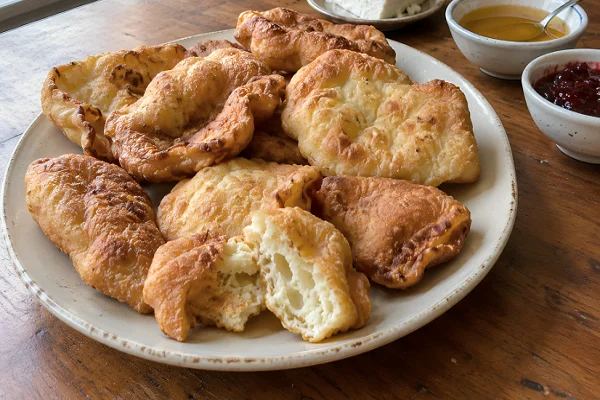
Petulla are Albania’s version of fried dough, a thick batter dropped into hot oil until it puffs up golden and crisp outside, soft and slightly chewy inside.
This Albanian petulla recipe covers a yeasted batter, the consistency you’re aiming for, and how to fry them so they turn out light rather than greasy, plus the classic ways to serve them.
What is Petulla?
This dish is a traditional Albanian fried dough, found across Albania, Kosovo, and other Albanian communities in the region. It’s typically shaped into small rounds or dropped as free-form dollops, then deep-fried until the outside turns golden brown and crisp while the inside stays soft and airy.
Breakfast is the most common setting for it, though it also shows up as a snack, a side dish, or a simple dessert, and it’s commonly sold by street vendors and found in bakeries.
It belongs to a wider family of Balkan and Mediterranean fried dough dishes like beignets, zeppole, and buñuelos work on the same basic principle though petulla has its own texture and common ways of serving it.
There isn’t one single “correct” petulla recipe. Households differ mainly in how the dough is leavened: some use yeast, some use baking powder or baking soda, and many use yogurt folded into the batter for tang and a softer crumb. This recipe uses a yeasted, egg-enriched batter, with the yogurt-based method noted as a common alternative below.
Tips for Making Petulla
Keep the batter sticky, not stiff
Adding too much flour will give you dense, bready petulla instead of light, airy ones. If it’s too thick to drop off a spoon easily, loosen it with a splash of more milk or water.
Don’t rush the resting time
A batter that hasn’t rested enough will fry into something flat and dense rather than puffed and airy.
Watch your oil temperature
If the oil is too hot, the outside browns before the inside cooks through. If it’s too cool, the petulla will soak up oil and turn greasy instead of crisp.
Fry in small batches
Crowding the pan drops the oil temperature and leads to uneven cooking.
A yogurt-based version is common too
Some households replace part of the liquid with plain yogurt and use baking soda instead of, or alongside, yeast; this gives a slightly tangier flavor and a softer interior, and the batter is often left to rest longer, sometimes overnight in the fridge.
Ingredients
Makes about 14,16 pieces
For the batter:
- 500 g all-purpose flour (about 4 cups)
- 7 g instant yeast, or 10 g active dry yeast (about 2¼ tsp)
- 1 tbsp sugar (about 12 g)
- 1 tsp fine salt
- 1 large egg
- 400 ml lukewarm milk or water (about 1⅔ cups)
- 1 tablespoon of vegetable oil + more for frying
To serve (choose what you like):
- Crumbled or sliced feta or another Balkan-style white cheese
- Honey
- Fruit jam
- Powdered sugar
How to Make Petulla
Activate the yeast
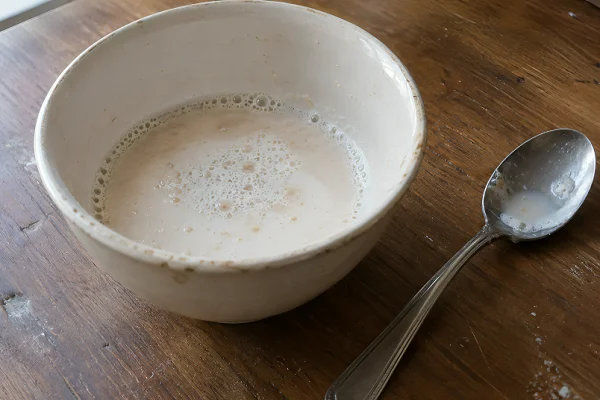
If using active dry yeast, stir it into the lukewarm milk or water with the sugar and let it sit for 8–10 minutes, until it looks foamy on top. If you use quick yeast, you can skip this step and add it to the flour right away.
Mix the dry ingredients
In a large bowl, whisk together the flour and salt (and the instant yeast, if using).
Combine wet and dry
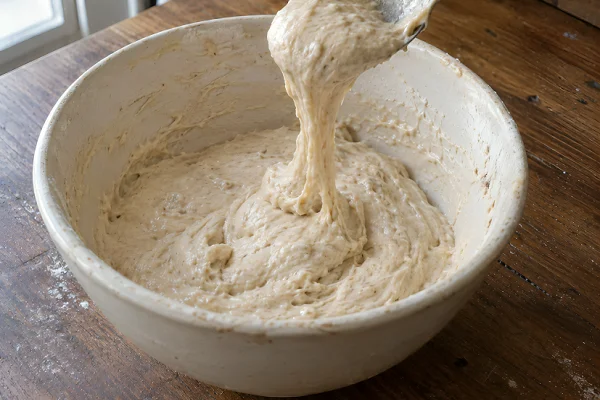
Whisk the egg into the yeast mixture, then pour it into the flour. Add the tablespoon of oil. Mix with a spoon or spatula until you get a thick, sticky batter.
It should be noticeably wetter than bread dough, closer to a very thick pancake batter, and it shouldn’t hold a clean shape on its own. Don’t try to knead it; just stir until no dry flour remains.
Rest the batter
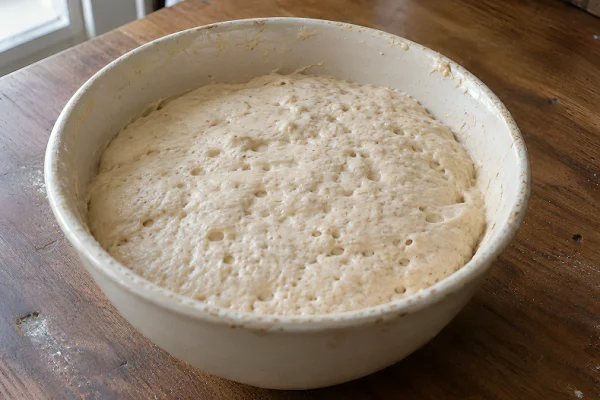
Cover the bowl with a clean kitchen towel or plastic wrap and leave it somewhere warm for 45–60 minutes, until it looks visibly puffed and slightly bubbly on the surface. It won’t necessarily double neatly like bread dough, but it should look active.
Heat the oil
Pour vegetable oil into a deep pan or pot to a depth of about 4–5 cm (1.5–2 inches). Heat it to 170–180°C (340–350°F). If you don’t have a thermometer, drop in a small bit of batter and it should sizzle and rise to the surface within a couple of seconds without browning instantly.
Shape and fry
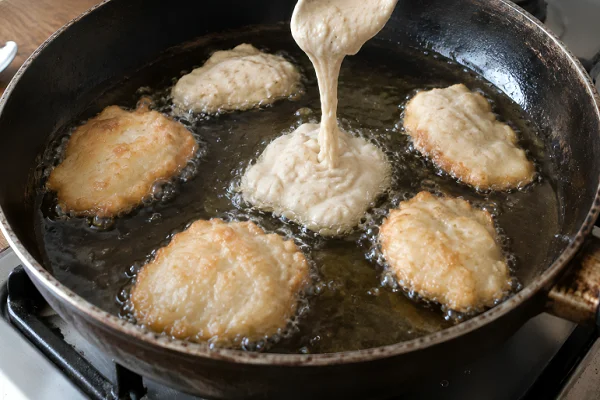
Wet a large spoon or your hand with a little water or oil (this stops the sticky batter from clinging). Scoop out portions of batter about 2 heaped tablespoons each and drop them gently into the hot oil.
Flatten each one slightly with the back of the spoon so it cooks evenly. Fry in batches of 3–4 so the oil temperature doesn’t drop.
Cook until golden
Fry for about 2–3 minutes per side, flipping once the underside is deep golden brown. The petulla should puff up as they cook. Cut one open to check: the inside should look cooked through and airy, not doughy or translucent.
Serve
Serve petulla warm with white cheese, honey, or fruit jam. They can also be topped with powdered sugar or served with plain yogurt.
FAQs
Can I make petulla without yeast?
Yes. Many home recipes use baking powder or baking soda instead of yeast, especially for a quicker version. These quicker versions generally require much less resting time than a yeasted batter, since they don’t rely on fermentation for their rise.
Why is my batter too thin or thick?
Flour absorbency varies, so add the liquid gradually. The batter should be pourable but thick enough to hold a rough shape briefly when dropped from a spoon closer to a thick pancake batter than a bread dough.
Can petulla be made ahead?
They’re best eaten fresh and warm, since they lose their crisp texture as they cool. If you need to prepare ahead, you can mix and rest the batter in advance (including overnight in the fridge for a yeasted batter) and fry just before serving.
What oil is best for frying petulla?
A neutral, high-smoke-point oil such as sunflower or vegetable oil is the standard choice, since it won’t compete with the flavor of the dough or toppings.
Are petulla the same as doughnuts?
They’re related in that both are fried dough, but petulla are less sweet by default, often served with savory toppings like cheese, and have a batter-like consistency rather than a rolled, cut dough.

Rachel Bradley is a food writer and recipe developer with a love for home cooking and global flavors. She has spent years testing recipes in her kitchen, exploring everything from quick weeknight meals to traditional dishes from around the world. Her goal is simple — make great food accessible to everyone.