The Best Fluffy Pancakes recipe you will fall in love with. Full of tips and tricks to help you make the best pancakes.

Street foods that are famous all over the world do something that restaurants don’t usually do: they give you a sense of the real spirit of a place without having to translate a menu.
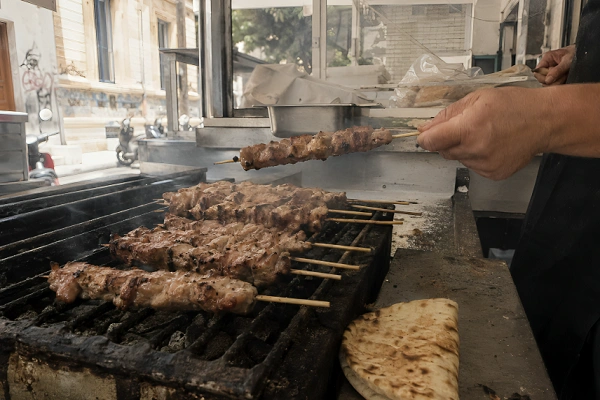
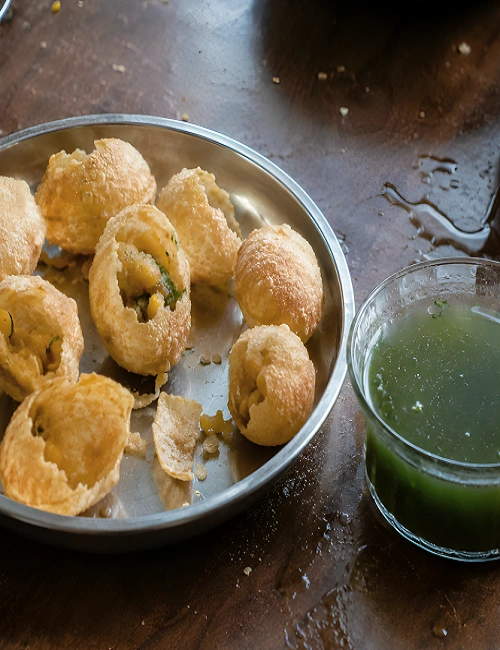
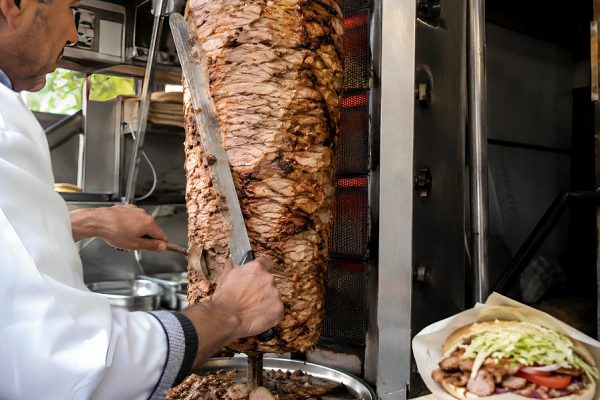
A man flipping meat over an open flame at a corner. A cart hissing with steam from fresh dumplings. Dough dropping into hot oil at a roadside stand.
None of these scenes look staged, because they aren’t they’re daily routine, repeated for generations. Street food stays cheap, comes together fast, and gets cooked while you watch, which explains why both locals and visiting travelers keep circling back to the same stalls.
Why street food is so important to the culture of a place
Street vendors don’t usually run a broad menu. Instead, most build their entire livelihood around one dish, refining it across years or even decades until the recipe becomes second nature. That narrow focus is exactly what elevates a simple snack into something closer to a neighborhood landmark.
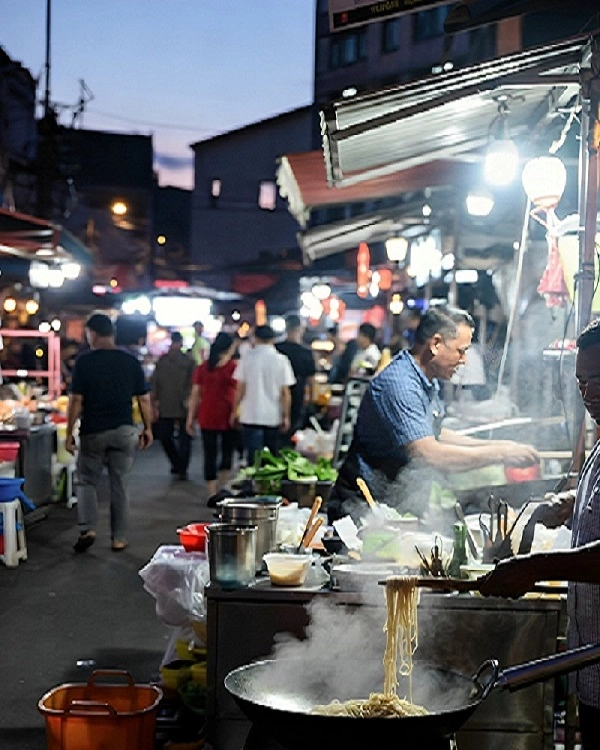
A street vendor selling noodles in Bangkok or tacos on a block in Mexico City isn’t just giving out food; they’re also passing on a recipe that has been changed and improved by those who came before them.
Food historians and travel writers tend to treat this kind of cooking as a real window into a country’s culinary identity, not a cheaper stand-in for restaurant dining.
Asia: The Heart of the Street Food World
Few regions carry as much street food weight as Asia, and three countries in particular anchor the conversation.
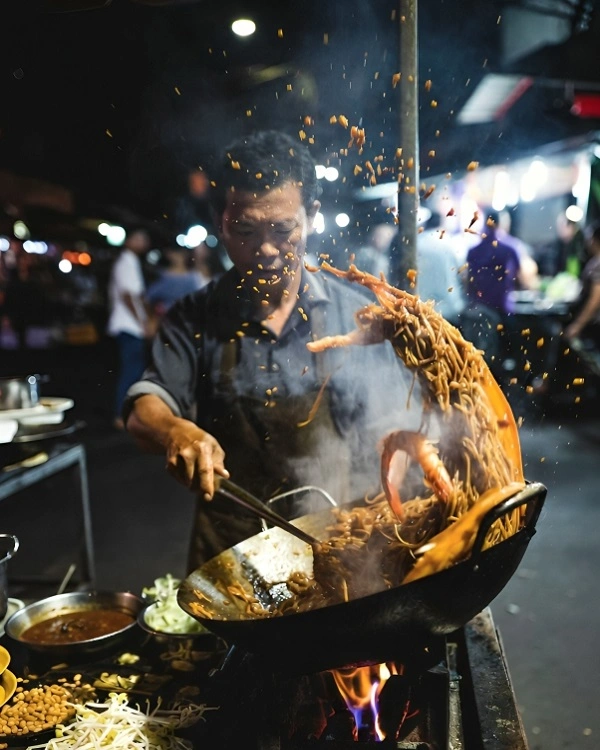
Pad Thai, Thailand’s Wok-Tossed Classic
Mention Thai street food and most people picture Pad Thai before anything else. A hot wok takes in rice noodles, shrimp, egg, tamarind paste, and crushed peanuts, tossing them together until everything lands hot in a paper tray or over a banana leaf. Bangkok holds the title of the dish’s true home turf, and competition among its street vendors keeps pushing the recipe forward rather than letting it sit still.
Banh Mi and Pho: Vietnam’s French-Vietnamese Fusion
A crispy baguette is sliced open and filled with grilled pork or pâté. It is then topped with pickled carrot and daikon, cucumber slices, chili, and coriander. The banh mi is a mix of French colonial baking and Vietnamese taste.
Pho tells a different story: a rice noodle soup that’s generally believed to have taken shape as a street dish in the early 1900s, it has since climbed to become one of the country’s most eaten meals, sold just as often from a bowl on the sidewalk as from a restaurant table.
Walk through District 1 in Ho Chi Minh City and you’ll find entire lanes where stall after stall does nothing but serve street food.
Egypt’s Taameya
Plenty of food historians point to Egypt as falafel’s true starting point, tied to a local dish called taameya though scholars still argue over exactly where the dish first took shape.
What makes taameya different is that it’s made with fava beans, not chickpeas, so when it’s baked it’s lighter and fluffier. Vendors work in leeks, onion, coriander, parsley, and cumin, roll the mixture in sesame seeds, and fry it until golden.
Egyptians eat it year-round, but demand spikes hard during Ramadan, when it’s usually stuffed into warm pita alongside pickled vegetables and tahini.
Guotie: China’s Crispy Pan-Fried Dumpling
Guotie takes the standard jiaozi dumpling and gives it a northern Chinese twist through pan-frying, packing each one with minced pork, cabbage, scallions, and ginger.
The technique is what makes it memorable: the base fries until it turns crisp and golden, then a splash of water goes in under a lid to steam the top half soft. One bite ends up doing two jobs: crunch on the bottom, tenderness everywhere else.
India’s Aloo Chaat
Ask around India for a single defining street snack, and aloo chaat is usually the first name that comes up. Fried potato pieces get folded into chutney and a spice mix, sometimes with fruit thrown in, landing on something sweet, sour, and spicy all in one forkful.
What started as a regional favorite has since spread well past India’s borders and now shows up across much of South Asia.
Latin America: Bold Flavors on Every Corner
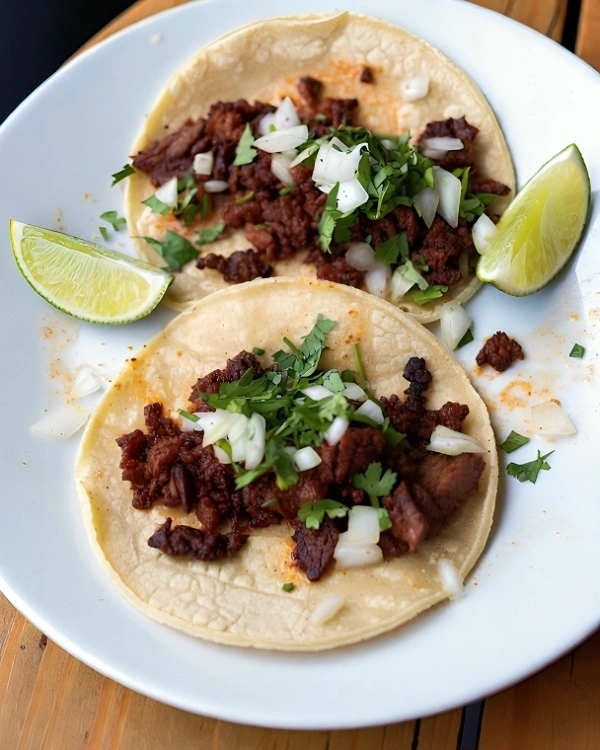
Tacos and Quesabirria, Mexico’s Street Food Icons
Talk about Mexican street food long enough and tacos will eventually take over the conversation. Soft corn tortillas wrap around grilled meat carne asada, al pastor, whatever the stand specializes in finished with onion, cilantro, and salsa.
A newer entry, quesabirria, traces back to Tijuana and pairs slow-stewed birria meat with melted cheese inside a tortilla crisped right on the grill. Most stands serve it alongside a small bowl of consomé, meant for dipping between bites.
Trinidad and Tobago’s Doubles
Doubles carries a direct line back to the island’s Indian community. Two pieces of fried flatbread sandwich, a spiced chickpea curry, finished off with pickled mango and a splash of hot pepper sauce. Locals lean on it as a breakfast staple, and it’s held its place as one of the cheapest, most filling street snacks anywhere in the Caribbean.
Europe: Comfort Food You Can Eat on the Move
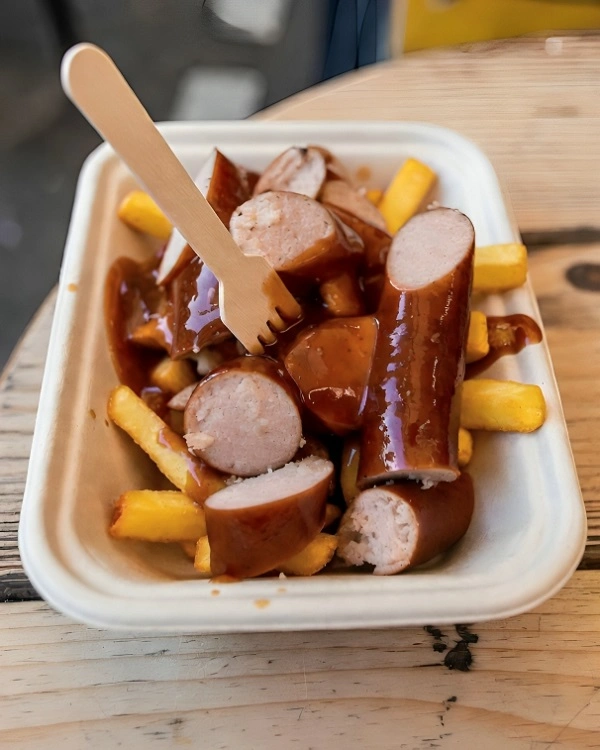
Currywurst: Berlin’s Everyday Favorite
Berlin’s entire street food identity practically rests on currywurst. Sliced sausage gets soaked in a tangy tomato-curry sauce and handed over with fries or a bread roll on the side. At just a few euros a plate, it functions less like a treat and more like a routine for plenty of Berliners.
Head south to Nuremberg and the sausages shrink in size but pack in more density, sold both from street stalls and at long-running local restaurants.
Poland’s Pierogi
Pierogi covers Poland’s comfort-food territory almost single-handedly: a boiled or pan-fried dumpling stuffed with potato, cheese, or mushroom. Markets and street stalls across the country each run their own version, and no two vendors seem to fill them quite the same way.
Fried Dough Across the Continent
Fried dough might be the closest thing street food has to a universal language, even if every country insists on its own name for it. Spain calls it churros, Greece calls it loukoumades, Canada calls it Beaver Tails.
Strip away the branding and the core stays identical dough dropped into hot oil until it turns crisp while toppings swing anywhere from plain cinnamon sugar to melted chocolate or dulce de leche.
Africa: Street Food With Deep Roots
Bunny Chow: Durban’s Curry-Filled Loaf
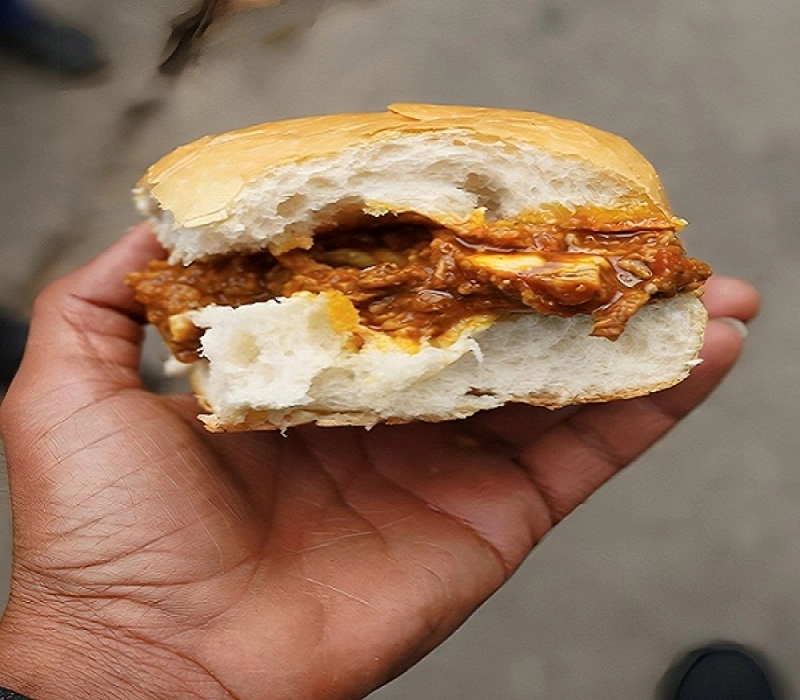
Bunny chow comes from Durban and consists of a hollowed-out loaf of bread filled with curry made from beans or meat, most commonly mutton. Despite the name, it contains no rabbit meat at all.
Cape Town has its own street food icon in the Gatsby, a long bread roll stuffed with chips, meat, salad, and a tangy pickle sauce called achar.
North Africa’s Calientita
This dish is called karantika in Algiers and calienté in Morocco, which comes from the Spanish term for “warm.” The cuisine itself is a product of Spanish colonial influence.
It’s made from a baked batter of chickpea flour, water, oil, and eggs, giving it a golden, slightly crisp top and a soft, custard-like inside. Vendors tend to square it off and slip it inside crusty bread.
What Makes a Street Food Dish Truly Famous
A few things tend to separate a well-known street food from a forgotten one:
- A single, well-practiced recipe — most prominent vendors just have one dish, not a comprehensive menu.
- Visible preparation — When you see food cooking in front of you, trust is built and crowds are drawn.
- Affordability — basically all of this stuff is a couple dollars or less.
- A strong sense of place — each dish reflects local ingredients and history rather than a generic version of global fast food.
Final Thoughts
Famous street foods around the world share one thing in common: they’re made by people who know their dish inside and out. Whether it’s a bowl of pad Thai in Bangkok, a bunny chow in Durban, or a plate of quesabirria in Tijuana, each dish carries the story of the place it comes from.
Tasting them is more than just eating; it’s one of the most straightforward ways to get a sense of how people truly live and eat in a nation you are visiting.

Rachel Bradley is a food writer and recipe developer with a love for home cooking and global flavors. She has spent years testing recipes in her kitchen, exploring everything from quick weeknight meals to traditional dishes from around the world. Her goal is simple — make great food accessible to everyone.