The Best Fluffy Pancakes recipe you will fall in love with. Full of tips and tricks to help you make the best pancakes.

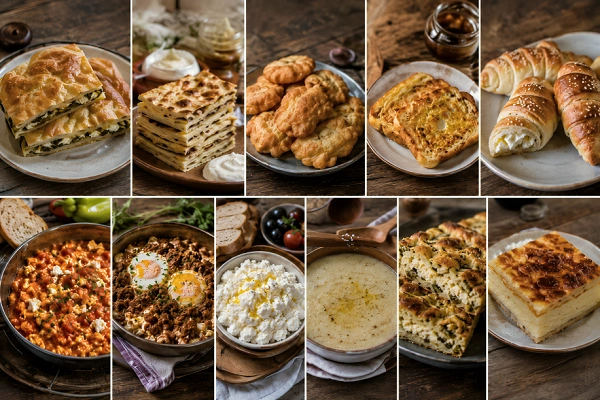
Picture a quiet morning table in Tirana or a small mountain village: warm bread, a bowl of yogurt, a slice of something flaky straight from the oven, and a small cup of strong coffee.
That’s where you’ll find the heart of Albanian breakfast dishes simple, savory, and built from ingredients people have relied on for generations.
You won’t find sugary cereals or pancake stacks here. Instead, you’ll find warm soups, cakes, eggs, and fresh cheese that show how much the country loves fresh, local food and its history.
This guide takes you through 11 dishes worth knowing, including a few hidden gems that rarely make it onto typical food lists.
What Makes Albanian Breakfast Unique
Albanian cuisine sits at the crossroads of several culinary traditions, shaped by Ottoman influence, Mediterranean cooking, and the country’s own rural farming heritage.
Breakfast in Albania is rarely a rushed affair. In villages and small towns, it often becomes a shared moment among family members before the workday begins.
The meal usually centers on fresh bread, dairy products, eggs, and seasonal vegetables, paired with a strong cup of Turkish coffee or black tea.
Geography also plays a role in what ends up on the plate. In the colder mountainous regions of the north, breakfasts tend to be richer and more filling, often featuring baked pastries and dairy-heavy dishes that provide lasting energy.
In the south, where the climate is milder and closer to the coast, lighter dishes and fresh produce take center stage. This regional variation is part of what makes exploring Albanian food so rewarding.
1. Byrek – The King of Albanian Breakfasts
No discussion of Albanian breakfast dishes would be complete without starting with byrek. Thin sheets of phyllo dough are stacked and filled with different kinds of food to make this savory pastry.
It is then baked until golden and crisp. The most common fillings include feta cheese, spinach, minced meat, leeks, or a mixture of eggs and herbs.

Byrek has roots that trace back to the Ottoman era, and over time it spread across much of the Balkans, appearing in slightly different forms in neighboring countries.
In Albania, it is sold everywhere from small bakeries to street food stalls, making it one of the most accessible breakfast options for locals and visitors alike.
It is typically cut into squares or triangles and served warm, often alongside a glass of yogurt or a cup of coffee. The contrast between the crispy outer layers and the soft, flavorful filling is part of what makes byrek so beloved.
2. Flija – The Layered Pancake Tradition
Flija (alternatively spelled flia) is one of the most visually impressive dishes in the Albanian culinary repertoire. It consists of dozens of thin, crepe-like layers stacked on top of one another, traditionally cooked over an open flame using a special domed lid.
Each layer is poured, cooked briefly, and then another layer of batter is added on top, repeating the process until a tall, ringed structure forms.
Because of the time and effort required, flija is often reserved for special occasions, family gatherings, or weekend breakfasts when there’s time to cook it properly.
The result is a dish with a slightly smoky flavor and a soft, almost custard-like texture between the layers. It pairs wonderfully with yogurt, honey, or a drizzle of cream, and it’s commonly enjoyed with hot tea.
3. Petulla – Albania’s Favorite Fried Dough
Few dishes capture everyday comfort quite like petulla, a simple yet much-loved staple across Albania, especially in the southern regions.
It is essentially fried dough, similar in concept to doughnuts but without the sweetness baked into the dough itself.
The dough can be made with yeast or yogurt, and recipes vary slightly from household to household, with some versions including eggs and others leaving them out.
Once fried until golden and puffy, petulla is usually served with jam, honey, or a sprinkle of powdered sugar for those who prefer a sweeter breakfast.
However, it’s just as common to see petulla served as part of a larger spread, accompanied by fresh tomatoes, cucumbers, slices of cheese, and sometimes cured meats.
The combination of crispy edges and a soft, airy interior makes it a comfort food that many Albanians associate with childhood memories.
4. Bukë me Vezë – Bread with Eggs
Bukë me Vezë translates directly to “bread with eggs,” and the name describes the dish perfectly. Slices of bread are dipped into beaten eggs and fried till crisp on the outside and soft on the inside, a technique similar to French toast but cooked as a savory rather than a sweet meal.
Historically, this was considered a humble dish made from limited ingredients, often associated with working-class households or simple morning meals before a long day of labor.
Today, it remains a nostalgic favorite for many Albanians and is commonly served alongside gjizë (a soft, fermented cheese) and a glass of tangy yogurt. Its simplicity is part of its charm, requiring only a handful of pantry staples to prepare.
5. Kifle – The On-the-Go Bakery Staple
For those who need a quick breakfast before heading out, kifle are the go-to choice. These crescent-shaped bread rolls are a common sight in bakeries across Albania, available plain, filled with cheese, or stuffed with jam.
The cheese-filled version, often called kifle me djath, is particularly popular among locals who grab one alongside their morning coffee.
Kifle is the more modern, convenience-oriented side of Albanian breakfast culture. While dishes like flija require time and preparation, kifle caters to busy mornings without sacrificing the reliable, bread-based foundation that defines so much of the country’s cuisine.
6. Fërgesë – A Cheesy Vegetable Dish
Picture peppers and tomatoes melting together in a pan with a soft, crumbly cheese until everything turns into a thick, creamy mixture that’s fërgesë in a nutshell.
Some cooks crack eggs into the pan near the end, turning it into something closer to a vegetable scramble, while others keep the recipe strictly vegetable-and-cheese.
The dish leans heavily on olive oil, garden-ripe vegetables, and dairy, three ingredients that show up again and again across Mediterranean kitchens.
A piece of bread on the side does double duty here, soaking up the sauce and turning the dish into a complete meal.
Although fërgesë can land on the table at any time of day, its warm, hearty character makes it a natural pick for breakfast when the weather turns cold.
7. Kimë me Vezë – Meat with Eggs
The name says it all: minced or ground meat, slow-cooked with onions, garlic, and tomatoes until everything thickens into a rich sauce, then finished with paprika and a generous crack of black pepper.
Near the end of cooking, eggs go in too either dropped in whole and left to set, or stirred through for a creamier consistency.
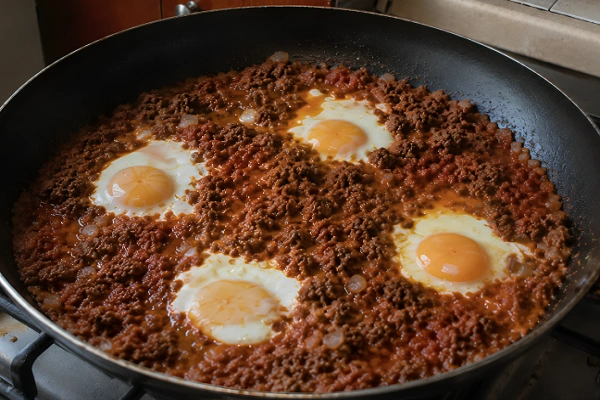
Spooned over pasta or rice while still hot, this dish lands heavier than most other items on this list, making it a solid choice for anyone who needs more than a light bite to start the day.
The combination of spiced meat and egg hints at culinary threads that run through both Mediterranean and Levantine kitchens, a reminder of how many influences have shaped Albanian cooking over time.
If you’re after something protein-rich rather than pastry-based, kimë me vezë fits the bill.
8. Gjizë – Albania’s Beloved Fresh Cheese
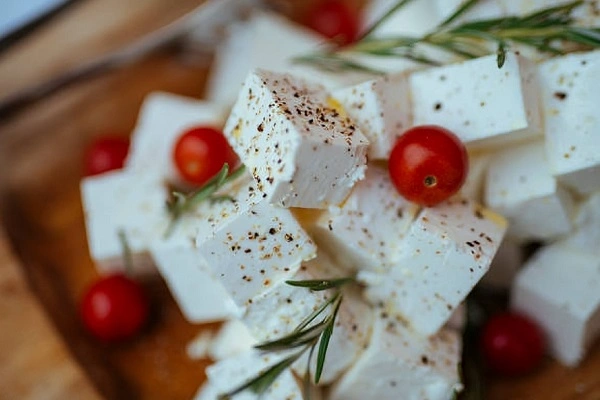
Leave curdled milk to ferment and dry naturally, and you end up with gjizë, a soft cheese with a faint sourness that shows up on breakfast tables across the country.
It’s not really a dish on its own, more of a building block: spread it on bread, pile it on top of flija, or set it next to bukë me vezë for extra richness.
Texture-wise, think somewhere between cottage cheese and ricotta, with that mild tang coming from the fermentation process.
Many families still make their own gjizë at home using methods handed down for generations, which says a lot about how deeply this cheese is woven into everyday Albanian cooking.
9. Trahana – The Forgotten Breakfast Soup
Trahana rarely makes it onto lists of Albanian food, yet it has a long history in the country’s kitchens. The process starts by mixing cracked wheat with yogurt or milk and letting it ferment, then drying everything into small, hard granules that can sit in a jar for months.
Come breakfast time, those granules go into a pot of simmering water or broth, where they slowly soften into a tangy, porridge-like soup.
This kind of preserved food made a lot of sense in mountain villages, where long winters meant fresh produce was hard to come by.
Trahana could be stored away and turned into a hot meal whenever it was needed. Plenty of households still make it today, often finishing the bowl with a pat of butter or some grated cheese, a simple, warming dish that stands apart from the pastry-based breakfasts most people associate with Albanian cuisine.
10. Pispili – Cheese and Greens on Cornbread
In the rural villages of southern Albania, where it sometimes goes by the name shapkat or pispilita, pispili is a go-to morning bake.
Spinach or other wild greens get folded into a cornmeal batter along with cheese and eggs, and the whole thing bakes into a dense, moist loaf with the greens give it a bitter bite, and the cheese makes it taste salty.
The cornmeal base sets pispili apart from byrek, giving it a heartier, almost rustic crumb instead of byrek’s crisp phyllo layers. Bakers usually pour the batter into a round pan and slice it into wedges once it’s done, much like a quiche.
Eaten warm, sometimes with a little olive oil drizzled over the top, pispili shows just how far a handful of basic, local ingredients can go in Albanian cooking.
11. Qumështor – A tasty milk custard that you should try
There is some truth to the claim that qumështor is more of a dessert than a breakfast food, but it makes this list because it is so closely linked to some morning customs, especially in southeastern Albania. Milk, eggs, and a little flour are baked together, and then a little sugar is added. The custard is then put in the oven until the top turns a light golden brown color. Some Orthodox homes serve it at the special breakfast that is served at the start of Lent.
Cut into squares once it cools, qumështor sits somewhere between a flan and a baked rice pudding in texture: smooth and creamy inside, with a thin browned layer on top. Most people serve it chilled or at room temperature, alongside tea or coffee. If you’re curious about the sweeter side of Albanian cuisine, this custard is an easy and pleasant place to start.
Regional Differences in Albanian Breakfast
Where you wake up in Albania has a real effect on what lands on your plate. Up north, harsh winters call for something to keep you going through the cold flija, byrek, and trahana all fit that bill with their slow cooking and dense, calorie-rich profiles. Head south, and the menu lightens up: petulla, fërgesë, and pispili make more sense where vegetables are easy to come by year-round and the milder weather doesn’t demand such a heavy start to the day.
Along the coast, breakfast occasionally takes a turn toward the sea, with local seafood showing up now and then, though bread, dairy, and eggs still dominate most tables. You can see these changes for yourself if you go from one end of Albania to the other. Breakfast does look different based on where you are.
Common Accompaniments and Beverages
A handful of items show up no matter what the main dish happens to be. Bread is one of them baked fresh daily and almost always served warm, it’s the backbone of the table. Yogurt plays a similar role, whether eaten plain, used for dipping, or worked directly into doughs like the one used for petulla.
Tomato slices, cucumber slices, and a handful of olives are often served on the side. They add a bit of crunch and vinegar to fried or baked foods to balance them out. To drink, Turkish coffee is the traditional choice. It is small, strong, and meant to be taken slowly instead of quickly. Black tea is another common pour, especially next to dishes like flija or qumështor.
Final Thoughts
If you ever sit down to an Albanian breakfast, don’t expect to rush through it. Take your time with a plate of byrek, dip your bread into a bowl of trahana, or try a slice of pispili fresh from the pan. Each dish carries a piece of the region it comes from, shaped by history, climate, and what was available to cook with. Whether you lean toward flaky pastries, hearty egg dishes, or a sweet bite of qumështor, you’ll come away with a real taste of Albania, one that goes well beyond what most people expect from a simple morning meal.

James Carter is a food researcher and writer passionate about global cuisines, street food, and the stories behind what we eat. He combines thorough research with a genuine love for food culture to bring readers accurate, well-written, and interesting content.