The Best Fluffy Pancakes recipe you will fall in love with. Full of tips and tricks to help you make the best pancakes.

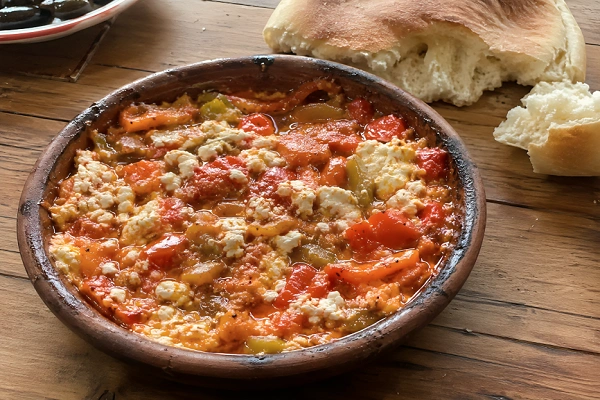
Ask any Albanian which dish best represents their food culture, and Fërgesë will almost always be in the answer.
It sounds simple on paper peppers, tomatoes, and a salty local cheese cooked in olive oil. But the flavor is deeper than the ingredient list suggests, and the texture varies noticeably depending on who made it and where.
That is the thing about Fërgesë. No two households make it quite the same way. Every region has its own take. And the debate over what actually belongs in it? That has been running for generations.
This article covers where Fërgesë comes from, how it varies across Albania, how to make it at home, and what makes it different from similar dishes in the region.
What Is Fërgesë?
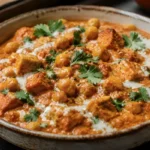
At its core, Fërgesë is a cooked dish of peppers and tomatoes combined with a soft, salty cheese most traditionally gjizë, an Albanian cheese curd. Garlic and onion are usually in there too, and sometimes a light touch of herbs like parsley or basil.
The texture is not quite a stew and not quite a dip. It lands somewhere in between — thick, soft, and scoopable.
It holds a respected place alongside other Albanian staples like Tavë Kosi, and is most closely tied to Tirana, which is why many recipes carry the label “Fërgesë Tirane” or “Fërgesë e Tiranës.”
Etymology and Linguistic Background
The name itself gives away how the dish is made.
Fërgesë comes from the Albanian verb “fërgoj,” which simply means “to fry.” The whole dish starts with frying vegetables and then goes into hot olive oil first, before any cheese or dairy is added.
Worth knowing: in Albanian grammar, “fërgesa” is the definite form of the word, while “fërgesë” is the indefinite. A small distinction, but one native speaker notices when the dish is written about incorrectly.
Origins and Regional Identity
Fërgesë traces back to Tirana, and most Albanians still associate it with the capital above anywhere else.
But it never stayed in one city.
Across Albania’s regions, the dish picked up different shapes depending on what was locally available, what season it was, and what families passed down over time. This kind of regional drift is common in Albanian cooking recipes travel by word of mouth, not cookbooks, so they absorb the personality of wherever they land.
In the north, in Shkodër, for example, eggs are occasionally fried right in the mixture, making for a heartier breakfast or lunch choice that looks very different from the Tirana version.
Traditional Ingredients Versus Modern Adaptations
Here is where things get interesting and occasionally heated.
The classic Fërgesë is prepared from a short, clear list of ingredients: bell peppers, ripe tomatoes, garlic, often onions, gjizë cheese and olive oil. That is it.
Western recipes, particularly on international food blogs, often swap in feta or cottage cheese because gjizë is hard to find outside the Balkans. Some go further and add a butter-and-flour roux plus yogurt to thicken the sauce. The result can taste good, but it is a meaningful step away from the original.
Albanian home cooks are pretty clear about this. The traditional version has no flour, no roux, and no yogurt, just the core vegetables, olive oil, and salted cheese curd, done on a stovetop. Both versions exist and both are worth knowing, but calling the adapted version “traditional” is where people take issue. If you are making it for the first time, it is worth understanding which version you are actually making.
Summer Version Versus Winter Version
Fërgesë changes with the seasons, and the two versions are genuinely different.
The summer version skips the cheese entirely. It is just peppers, tomatoes, garlic, and olive oil cooked down into something between a thick stew and a chunky sauce. Often eaten cool or at room temperature.
The winter version is richer. Gjizë goes in after the vegetables are cooked, folded into the hot base so it softens without fully melting. Many households also add liver, beef, or lamb at this stage the liver version is specifically called Fërgesë me Mëlçi making it a proper main course rather than a side dish.
Traditional Fërgesë Recipe (Ingredients and Steps)
Here is a straightforward stovetop version that stays close to how it is made in Albanian households: no roux, no flour.
Ingredients (serves 3–4 as a side dish):
- 4 medium green or red peppers, seeded and sliced into strips
- 4 ripe tomatoes, chopped (or 1 can of chopped tomatoes)
- 4–5 cloves of garlic, sliced or crushed
- 1 small onion, diced (optional)
- 150–200g gjizë, or substitute with salted cottage cheese or crumbled feta
- 4–5 tablespoons olive oil
- Salt and black pepper, to taste
- A pinch of chili flakes (optional)
Method:
- Within a deep pan, bring the olive oil to a temperature of medium heat. Add the pepper strips and fry for 8–10 minutes, stirring occasionally, until soft and lightly browned at the edges.
- Add onion if using and sauté 2-3 minutes until transparent.
- Add tomatoes and garlic. Stir well, lower heat, and partially cover the pan.
- Cook over low heat for 12 to 15 minutes, or until the liquid thickens into a jammy foundation and the tomatoes begin to break down.
- Remove from heat. Season with salt, pepper, and chili flakes if using.
- Crumble in the gjizë and fold gently the cheese should soften from the residual heat without becoming fully liquid.
- Rest for 2–3 minutes before serving.
Serve hot. For a baked version, transfer to a small ovenproof dish or clay pot and bake at 180°C (350°F) for 10–12 minutes until a light golden layer forms on top.
Serving Traditions
Fërgesë works in several roles depending on the meal.
It shows up as a side dish alongside grilled or roasted meats, as a light main eaten straight from the pan, as an accompaniment to Tavë Kosi, or even as a pasta topping in more modern kitchens.
At home, most people eat it with bread tearing off pieces to scoop directly from the dish. No utensils needed. It is that kind of food shared, informal, and eaten straight from a common pan at the table.
Nutritional Profile and Dietary Considerations
Fërgesë is not typically thought of in nutritional terms, but its ingredient base is solid.
Tomatoes and peppers are good sources of vitamin C and antioxidants. Olive oil adds heart-healthy monounsaturated fats. The cheese contributes protein and calcium, making the dish more filling than it looks. And because the traditional version skips the flour and heavy dairy, it tends to be lower in refined carbohydrates than the adapted versions, something worth knowing if that matters to you.
For vegetarians, the basic pepper-and-cheese version works without any changes. It only becomes a meat dish when liver or beef is added for the winter variation.
How Fërgesë Compares to Other Balkan and Mediterranean Dishes
People sometimes group Fërgesë with other pepper-and-tomato dishes from the region, but it has a distinct identity.
Take ajvar, the roasted red pepper relish popular across the Balkans. Ajvar is blended smooth and used as a condiment or spread. Fërgesë is chunkier, cooked rather than just roasted and blended, and always has dairy folded into it. The gjizë cheese is really what sets Fërgesë apart; that creamy, tangy dairy element does not appear in ajvar at all. Side by side, they look different, taste different, and serve completely different purposes at the table.
Final Thoughts
Fërgesë is the kind of dish that does not try to impress you, it just does.
Simple ingredients, flexible enough to change with the season, and different in every household that makes it. That is what has kept it relevant across generations of Albanian cooking. You may do it as a stripped back summer version or a richer cheesier winter one, but the heart of the dish is the same: wonderful vegetables, olive oil and a cheese most of the world has yet to know of.
Worth trying. Worth understanding.
FAQs
What does Fërgesë taste like?
Savory and slightly tangy. The cooked peppers and tomatoes bring sweetness, the gjizë or feta adds saltiness, and the garlic and olive oil tie everything together with a smooth, mild richness.
Is Fërgesë the same as Tave Dheu?
No, they are different dishes. Tave Dheu means “food from clay” and refers to a beef or liver dish baked in ceramic pots, originating from central Albania. The confusion comes from the fact that the liver version of Fërgesë, Fërgesë me Mëlçi, is sometimes cooked in the same clay pots. But Tave Dheu is its own dish with a different preparation entirely.
Can Fërgesë be made vegan?
Yes. Swap the cheese for a plant-based alternative firm tofu mashed with salt and lemon juice works reasonably well. Or just make the summer version, which has no cheese at all and is naturally vegan.
What is a substitute for gjizë cheese?
Cottage cheese with a little added salt is the closest substitute. Crumbled feta also works, though it is saltier and firmer than gjizë adjust seasoning accordingly.
Is Fërgesë served hot or cold?
The cheese-based winter version is best served warm, right after cooking. The summer version has no cheese, just vegetables and is often eaten at room temperature or even cold.
How long will it last in the fridge?
About 2–3 days in an airtight container. Reheat gently on the stovetop over low heat to keep the cheese from separating.

James Carter is a food researcher and writer passionate about global cuisines, street food, and the stories behind what we eat. He combines thorough research with a genuine love for food culture to bring readers accurate, well-written, and interesting content.