The Best Fluffy Pancakes recipe you will fall in love with. Full of tips and tricks to help you make the best pancakes.

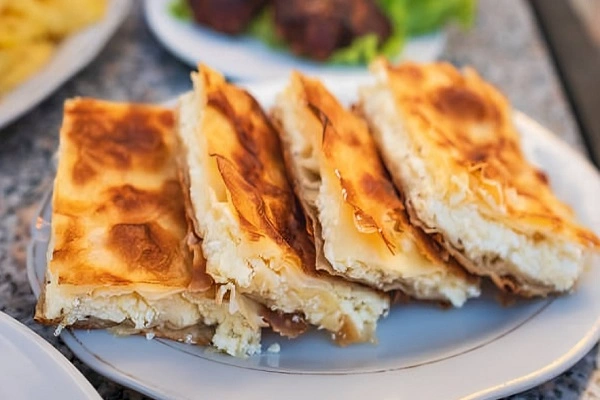
Byrek is one of those dishes that instantly tells you something about a place. The smell of warm, flaky pastry coming out of the oven, the sound of the crust crackling when you cut into it, and the simple comfort of a filling made from things grown close to home that’s byrek in a nutshell. If you’ve ever wondered how this beloved Albanian dish is made from scratch, this guide walks you through everything, from the dough to the filling to the final bake.
What Is Byrek?
Byrek (sometimes spelled “burek” in other Balkan countries) is a savory baked pastry made from thin layers of dough filled with ingredients like cheese, spinach, leeks, pumpkin, or meat.
In Albania, it’s eaten at almost any time of day as a breakfast item, a light lunch, an afternoon snack, or part of a larger meal during holidays and family gatherings.
What sets Albanian byrek apart is the dough itself. Many home cooks roll out their own dough (called petë or fletë, meaning the thin sheets used for the pie) instead of relying on pre-made phyllo, although store-bought phyllo is also commonly used today for convenience.
This hand-rolled approach gives the pastry its signature crisp exterior while keeping whatever is inside moist and tender.
A Bit of History and Cultural Context
Byrek has deep roots in the Balkans and the wider region once influenced by Ottoman culinary traditions, where layered pastries filled with savory ingredients became a staple across many countries.
In Albania, byrek evolved into its own distinct family of dishes, with regional variations shaped by whatever ingredients were available locally wild greens in mountain villages, dairy in farming areas, and meat fillings often reserved for special occasions.
Even today, byrek is closely tied to home cooking. Many Albanian families have their own version passed down through generations, with small differences in how the dough is rolled, how thick the layers are, or which herbs go into the filling.
There isn’t one single “correct” recipe, there are many traditional ones, shaped by family habit and regional taste.
Essential Ingredients for Traditional Albanian Byrek
For the Dough (Petë)
- All-purpose flour
- Lukewarm water
- A pinch of salt
- A small amount of oil or melted butter (used both in the dough and for brushing between layers)
- Cornstarch or extra flour for dusting while rolling
If you prefer a shortcut, store-bought phyllo dough sheets work well and are widely used in modern Albanian kitchens, especially in cities where time is limited.
For the Filling
The filling depends entirely on which type of byrek you’re making. The most common traditional versions include:
- Spinach and cheese (byrek me spinaq) – fresh spinach, crumbled feta-style cheese (called djathë, the general Albanian word for cheese), eggs, and a little olive oil
- Leek filling (byrek me presh) – leeks, eggs, cheese, and sometimes rice
- Meat filling (byrek me mish) – ground beef or lamb, onions, and basic seasoning like salt and pepper
- Pumpkin filling (byrek me kungull) – grated pumpkin, a touch of sugar, and sometimes walnuts, more common in autumn
Each version uses simple, accessible ingredients, part of what makes byrek such an everyday food rather than something reserved for special occasions only.
Kitchen Tools You’ll Need
- A large mixing bowl
- A rolling pin (a long, thin one if you’re making your own dough)
- A clean kitchen towel or cloth
- A round baking tray (traditionally a wide, shallow metal pan)
- A pastry brush for oil or butter
- A sharp knife for cutting portions before or after baking
Step-by-Step Guide to Making the Dough
If you’re making the dough from scratch, here’s the traditional approach:
Mix the dry ingredients
In a large bowl, combine flour with a pinch of salt.
Add water gradually
Slowly pour in lukewarm water while mixing, until the dough comes together into a soft, slightly sticky ball. Add a small splash of oil at this stage.
Knead well
Knead the dough on a floured surface for about 8–10 minutes, until it becomes smooth and elastic. This step matters more than people expect a well-kneaded dough stretches more easily without tearing.
Rest the dough
Cover it with a damp cloth and let it rest for at least 30 minutes. Resting relaxes the gluten, which makes rolling out thin sheets much easier later.
Divide into balls
After resting, divide the dough into smaller balls. The number depends on how many layers you want for your byrek.
Roll out thin sheets
On a floured surface, roll each ball into a very thin sheet, almost translucent if possible. This takes practice, and it’s completely normal for the first few sheets to come out uneven even experienced cooks have a few “imperfect” sheets that end up in the middle layers where it doesn’t matter as much.
If using store-bought phyllo, you can skip straight to the assembly stage.
Preparing the Traditional Fillings
Spinach and Cheese Filling
Wash the spinach thoroughly and chop it roughly. Some cooks blanch it briefly to soften it and remove excess water, while others use it raw, relying on the baking process to cook it down. .
Mix the spinach with crumbled white cheese, a beaten egg or two (which helps bind everything together), and a small amount of olive oil. Season lightly with salt and the cheese is usually salty enough on its own.
Leek Filling
Slice the leeks finely and rinse well, as leeks can hold a lot of dirt between their layers. Many recipes sauté the leeks briefly in oil until softened, though more traditional versions leave them raw and let the oven do the work. Mix with cheese and eggs in the same way as the spinach filling.
Meat Filling
For meat byrek, the filling is usually kept simple. Ground meat is mixed with finely chopped onion, salt, and pepper. Some families add a small amount of rice to help absorb extra moisture during baking.
The meat doesn’t need to be fully cooked before assembly, since it will cook through in the oven though some cooks prefer to lightly pre-cook it to control the texture.
Assembling and Layering the Byrek
This is where the character of byrek really comes through, and it’s also the step where personal and family traditions vary the most.
Oil the baking tray
Brush a thin layer of oil or melted butter across the bottom of your round tray.
Layer the base sheets
Place a few sheets of dough on the bottom, brushing oil between each one. This base helps create a sturdy foundation that won’t tear once the filling is added.
Add the filling
Spread an even amount of your chosen filling across the dough.
Continue building up
You can either fold the filling between every sheet (creating a striped, multi-layered effect when sliced), or place all the filling in one or two thicker layers and then cover with the remaining dough sheets on top.
Brush the top generously
The top layer should be brushed well with oil or a mix of oil and a little water, which helps it crisp up nicely and turn golden in the oven.
Score the top
Before baking, many people lightly score the top layer into portions (often spiral or square shapes) this makes serving easier later and allows steam to escape evenly.
Baking Tips for the Perfect Golden Crust
- Preheating your oven properly before placing the tray inside a hot oven from the start helps the layers crisp up rather than turning soggy.
- Bake at a moderate-to-high temperature, generally around 180–200°C (350–400°F), though this can shift slightly based on your oven and how thick your byrek is.
- Baking time usually ranges from 35 to 50 minutes, but keep an eye on the color rather than relying only on the clock. Every oven behaves a little differently.
- If the top browns too quickly while the inside is still raw, loosely cover it with foil for the remaining time.
- Once baked, let the byrek sit for about 10–15 minutes before cutting. This brief pause lets the filling settle, making it much easier to slice cleanly.
Common Mistakes to Avoid
Skipping the resting time for the dough
This makes the dough harder to roll thin and more likely to tear.
Using too much filling
A thick, wet filling can make the pastry soggy instead of crisp.
Not brushing enough oil between sheets
This is what creates the flaky texture; skimping here results in a denser, heavier byrek.
Cut it too soon after baking
Cutting while it’s too hot can cause the filling to spill out and the layers to collapse.
I remember the first time I tried making byrek at home. I rushed the resting step for the dough because I was impatient and the sheets kept tearing no matter how careful I was while rolling. Letting the dough rest properly really does make a noticeable difference, and it’s a small detail that’s easy to overlook.
How to Serve and Store Byrek
Byrek is typically served warm or at room temperature, often alongside yogurt, which helps balance the richness of the pastry. It pairs naturally with a simple side salad or a cup of tea, especially in the morning.
For storage, leftover byrek keeps well in the refrigerator for a couple of days when covered. To reheat, an oven or toaster oven works better than a microwave, since it helps restore some of the crispness to the layers. Byrek can also be frozen, either before or after baking, making it a practical option to prepare in advance.
Final Thoughts
Making traditional Albanian byrek isn’t complicated, but it does reward patience especially when it comes to the dough. Once you understand the basic technique of layering thin sheets with a simple, well-seasoned filling, you can adapt it endlessly based on what’s in season or what you have on hand.
Whether you stick to a classic spinach and cheese version or experiment with leeks, pumpkin, or meat, the result is the same comforting, golden, flaky pastry that’s been a part of Albanian kitchens for generations.
FAQs
Is byrek the same as burek?
They come from the same family of layered savory pastries found across the Balkans, but the name, exact preparation, and fillings can vary from country to country and even from region to region.
Can byrek be made without eggs?
Yes. While eggs are common in fillings like spinach or leek byrek because they help bind the ingredients, some versions skip eggs entirely, especially meat-based fillings.
What’s the difference between homemade dough and phyllo?
Homemade dough tends to be slightly thicker and chewier in texture, while phyllo creates an extra-crisp, delicate layering. Both are considered valid, with the choice often coming down to time, tradition, and personal preference.

Rachel Bradley is a food writer and recipe developer with a love for home cooking and global flavors. She has spent years testing recipes in her kitchen, exploring everything from quick weeknight meals to traditional dishes from around the world. Her goal is simple — make great food accessible to everyone.