The Best Fluffy Pancakes recipe you will fall in love with. Full of tips and tricks to help you make the best pancakes.

Jump to the step-by-step recipe
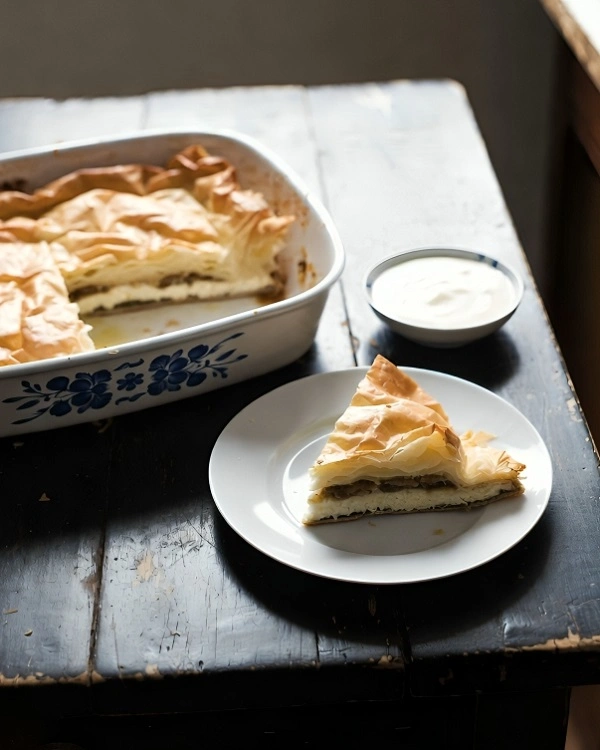
Gibanica is one of the most beloved savory pastries in the Balkans golden, puffy layers of phyllo dough soaked in a rich egg and feta cheese custard, baked until crisp crusty on the exterior, with a soft, creamy inside. If you’ve ever sat at a Serbian family table on a Sunday morning, chances are there was a tray of gibanica in the middle of it.
I’ve been making gibanica for over a decade, taught to me the traditional way by hand, by feel, and through years of trial and error with phyllo dough that never wants to cooperate.
In this guide, I’ll walk you through every step, share the mistakes I’ve made so you don’t have to repeat them, and answer the questions people ask most often in the comments and on Balkan cooking forums.
What Is Gibanica?
Gibanica (pronounced ghee-BAH-nee-tsa) is a traditional Serbian phyllo pie made by layering thin sheets of dough with a mixture of eggs, feta cheese, and sometimes cottage cheese or yogurt.
It belongs to a broader family of Balkan pastries called pita, a term used across the region for any dish made with layered phyllo sheets, whether sweet or savory.
Gibanica is a versatile dish enjoyed at nearly any time of day, whether as a breakfast mainstay, an afternoon snack with yogurt, or a component of a festival spread for Slava (Serbian patron saint day), Christmas, and Easter.
It’s considered comfort food, the kind of dish grandmothers make without measuring anything, purely by instinct.
Regional Variations
- Serbian gibanica – typically uses feta and cottage cheese with an egg-and-sparkling-water batter (the version in this recipe).
- Bosnian gibanica – often layered thicker, sometimes with multiple fillings (cheese, meat, and spinach) in the same pie, cut into wedges to show the different layers.
- Croatian/Slovenian gibanica – can refer to a completely different, sweet layered pastry with poppy seeds, apples, and walnuts, so always check the recipe context before assuming it’s savory.
The Three Things That Make or Break This Pie
There are three secrets to a good gibanica: the carbonation in the batter, a brief rest before baking, and what you do with the steam when it comes out of the oven. Get these three right and the rest of the recipe practically takes care of itself. I’ll walk through exactly how and why in the steps below.
Ingredients
- 1 package phyllo dough (500 g / about 1 lb), thin sheets labeled “kore za pite i baklave” if available
- 6 large eggs
- 2 cups (400 g) crumbled feta cheese
- 1 cup (200 g) cottage cheese, well drained
- 1/2 cup (120 ml) neutral oil, plus more for greasing
- 1 tablespoon (14 g) baking powder
- 1 1/3 cups (330 ml) sparkling water, cold
- Salt, to taste (optional depends on how salty your feta is)
Substitution notes:
- No cottage cheese? Use double-cream feta or ricotta instead.
- Feta too salty? Rinse it briefly under cold water before crumbling to mellow the flavor.
- No sparkling water? Still water works, but you’ll lose some of the natural puff add an extra 1/2 teaspoon of baking powder to compensate.
- Gluten-free phyllo dough can be substituted, though texture will be denser.

What You’ll Need in the Kitchen
- 9×13-inch baking pan (metal or glass both work; metal browns faster)
- Large mixing bowl
- Whisk or fork
- Ladle
- Pastry brush (optional, for oiling layers)
How to Layer Gibanica Without Tearing Phyllo Dough
1. Prepare the Batter
Preheat your oven to 400°F (200°C). Grease a 9×13 pan with oil. In a large bowl, whisk the eggs until smooth, then stir in the sparkling water, baking powder, and oil.
2. Season and Add Cheese
Taste your feta before adding salt. Some brands are very salty on their own. Add a pinch of salt if needed, then fold in the crumbled feta and drained cottage cheese. Don’t overmix; you want visible chunks of cheese throughout.
3. Layer the Phyllo

In the pan’s bottom, put one sheet of phyllo. Add one or two scoops of the egg-cheese mixture on top of it and spread it out gently without pressing down. This will let the dough settle on its own. If sheets are too large, tear them rather than folding, which creates uneven thick spots.
Repeat, alternating phyllo and filling, until everything is used. The final layer should always be filling, not dough; this is what gives gibanica its golden, crackled top.
4. Tuck the Edges
Use a spoon or fork to tuck the overhanging phyllo edges down into the sides of the pan. This seals in the filling and creates the characteristic crisp border.
5. Rest Before Baking
Let the pan sit at room temperature for 15 minutes so the phyllo sheets can absorb the egg mixture evenly. This is what prevents dry top layers and a soggy bottom. It’s easy to skip, but don’t rush it.
6. Bake

Bake for about 45 minutes, until deeply golden and puffed. If the top browns too quickly before the middle is set, tent it lightly with foil.
7. Cool Properly
Remove from the oven it will look dramatically puffed. Cover briefly with foil, then switch to a clean kitchen towel once it starts to deflate (more on why this matters in the troubleshooting section below).
8. Serve

Let it cool to room temperature before cutting into squares. Gibanica is traditionally served at room temperature, not hot.
Where This Recipe Usually Goes Wrong
My gibanica came out soggy on the bottom
Nine times out of ten, this comes down to steam management right after baking. If you leave the foil on too long, condensation collects on the underside and drips straight back onto the pie.
The fix: only cover with foil for the first five to ten minutes, then switch to a dry cooking towel for the rest of the time it takes to cool. A soggy bottom can also mean the batter pooled unevenly during layering and try to spread it a little more toward the edges next time.
The phyllo keeps tearing
Phyllo dries out fast. While you work, keep the stack covered with a damp towel. If there are small tears, don’t worry they will go away when the cake is baked because the layers hide flaws.
My gibanica didn’t puff up
This is almost always flat or old baking powder, or batter that sat too long before baking. When you bake, use new baking powder and do it within 20 to 30 minutes of mixing.
(Wondering about making it ahead or freezing? See below for more on storage and heating.)
Ways to Change It Up
- Meat gibanica – add a layer of cooked ground beef or minced meat between the cheese layers.
- Spinach gibanica – mix sautéed, well-drained spinach into the filling for a lighter, veggie-forward version.
- Sweet gibanica – swap the cheese filling for a sweetened cream cheese or apple-walnut mixture (more common in Slovenian versions).
- Posno (vegan/Lenten) gibanica – use plant-based cheese alternatives and replace eggs with a flax-egg or chickpea-flour slurry; texture will be denser but still enjoyable during fasting periods.
Storage & Reheating
- Make-ahead: You can assemble the pie a few hours in advance and refrigerate it unbaked, but avoid letting phyllo sit in the wet batter overnight; it turns gummy instead of crisp. For the best texture, bake the same day you assemble.
- Refrigerator: Store baked leftovers in an airtight container for up to 4 days.
- Freezer: Freeze baked and fully cooled squares for up to 2 months. Reheat directly from frozen in a 350°F (175°C) oven, covered with foil, for 25–30 minutes.
- Reheating (from fridge): To get the crispiness back, warm it in an oven set to 325°F (165°C) for 10 to 15 minutes. Microwave is a good solution if you are in a pinch however it softens the phyllo.
Nutrition Information (Per Serving, Approximate)
Based on 8 servings per 9×13 pan
| Nutrient | Amount |
| Calories | ~310 kcal |
| Protein | 12 g |
| Fat | 20 g |
| Carbohydrates | 21 g |
| Sodium | 480 mg |
Values are estimates and will vary based on specific brands of phyllo and cheese used.
FAQs
What’s the difference between gibanica and burek?
Burek is typically rolled into a spiral or individual portions and often filled with meat, while gibanica is layered flat in a pan and is traditionally a cheese-and-egg dish. Burek is also usually sold commercially, whereas gibanica is more of a homemade, family-style dish.
Can I use store-bought phyllo dough?
Yes, standard supermarket phyllo works fine. Some grocery stores in the Balkans sell thinner, more specialized sheets called “kore,” but you don’t need them to get a good finish.
How many sheets of phyllo does a typical package have?
Most 500 g bags have 15–20 thin sheets, which can be used to make 6–8 layers in a 9×13 pan, based on how full you make each one. If your package has fewer, thicker sheets, just tear them to stretch coverage across more layers.
Can I halve or double this recipe?
Yes. For a smaller pan (8×8) cut all the ingredients in half and bake for roughly 10 minutes less. For a double batch, use two separate pans rather than one deep one a thicker pie won’t cook through evenly.

Rachel Bradley is a food writer and recipe developer with a love for home cooking and global flavors. She has spent years testing recipes in her kitchen, exploring everything from quick weeknight meals to traditional dishes from around the world. Her goal is simple — make great food accessible to everyone.