The Best Fluffy Pancakes recipe you will fall in love with. Full of tips and tricks to help you make the best pancakes.

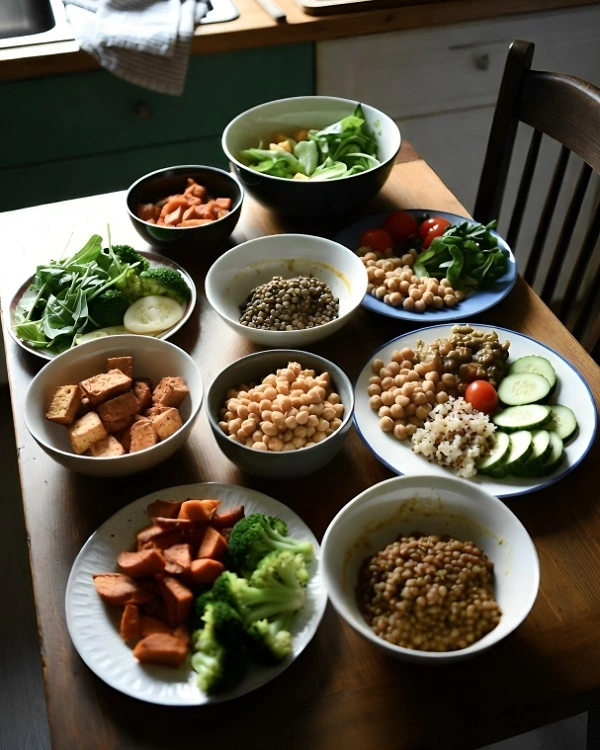
If you’ve typed “high protein vegan meals for weight loss” into Google, you’ve probably already run into the same problem I did a few years ago: most plant-based recipes online are either loaded with oil and calories, or so low in protein that you’re hungry an hour later. Neither one actually helps you lose weight.
The good news: you don’t need meat, protein powder, or fake “meat” products to fix this. A handful of go-to meals, built the right way around whole plant foods, does the job. Below you’ll find why protein actually matters for weight loss (not just muscle), how much you realistically need, seven meals that hit 25-30g of protein without blowing your calorie budget, and a simple 7-day plan to put it all together.
Quick disclaimer: this article is for general information only and isn’t a substitute for advice from a doctor or registered dietitian, especially if you have a medical condition or specific health goals.
Can You Actually Lose Weight on a Vegan Diet?
Short answer: yes, and in some ways it makes the process easier. Legumes, vegetables, and whole grains are naturally high in fiber and water, which lets you eat a large volume of food for relatively few calories, a big reason people report feeling satisfied on a whole-food, plant-based diet even while eating less overall.
But “vegan” by itself isn’t a magic word. Fries, pastries, oil-heavy stir-fries, and processed meat substitutes are all technically vegan, and they’ll keep you in a calorie surplus just as easily as anything else. What actually causes the scale to decline is:
- A consistent calorie deficit — eating somewhat less than your body burns
- Enough protein and fiber to keep you full so the deficit doesn’t feel miserable
Both of those levers are the foundation of everything below.
Why Protein Matters for Weight Loss (Not Just Muscle)

Most people associate protein with bodybuilders and gym bros, but it plays a much bigger role in weight loss specifically:
It keeps you full
Protein is the most satiating macronutrient; it slows digestion and helps regulate the hormones that control hunger, so you’re less likely to raid the pantry two hours after dinner.
Digesting it burns extra energy
Your body works harder to break down protein than it does fat or carbs nutritionists call this the “thermic effect” of food. Small effect on its own, but it adds up across a day.
Muscle stays put while fat comes off
Cut calories without enough protein, and your body will happily burn muscle right along with fat. Aim for 25-30g per meal, pair it with a bit of strength training if you can, and the weight you lose is far more likely to be fat, not muscle.
Bottom line: you don’t need to obsess over grams. Just build meals “protein first” instead of “carbs first,” and the rest tends to fall into place.
Do you require a specific amount of protein and calories?
There’s no single number that works for everyone, but here’s a reasonable starting point:
- Calorie deficit: most people aiming for steady, sustainable weight loss do well eating roughly 300-500 calories below their maintenance level per day. Going much lower than that tends to backfire you get hungrier, more tired, and more likely to give up.
- Protein target: general nutrition guidelines suggest 1.2–1.6g of protein per kilogram of body weight for people who are active or trying to lose weight while preserving muscle. Spread that across 3 meals, and you land close to the 25-30g per meal target used in the recipes below.
These are starting points, not rules. Your actual needs depend on your weight, activity level, age, and any health conditions. If you want numbers tailored to you, a registered dietitian can calculate this properly.
7 High-Protein, Low-Calorie Vegan Meals
Each of these recipes is a full meal not a snack and runs roughly 350-600 calories with 20-40g of protein depending on portion size and exact brands used. Use whichever vegetable you have on hand The protein sources are what actually matter.
1. Crispy Tofu & Broccoli Bowl

~460 calories | 34g protein
| Ingredient | Amount |
| Extra-firm tofu | 6 oz, pressed and cubed |
| Cornstarch | 1 tbsp |
| Broccoli | 1.5 cups |
| Garlic, minced | 2 cloves |
| Low-sodium soy sauce | 1 tbsp |
| Cooked brown rice | ½ cup |
| Rice vinegar + chili flakes | to taste |
Instructions:
- Toss tofu cubes in cornstarch and air-fry or pan-sear until golden and crisp, about 12 minutes.
- Steam the broccoli until just tender.
- In a small pan, quickly sauté garlic, then add soy sauce and a splash of water to make a light sauce.
- Put rice, broccoli, tofu, and sauce on top of the bowl. Finish with rice vinegar and chili flakes.
2. Lentil & Quinoa Stuffed Peppers
~520 calories | 33g protein
| Ingredient | Amount |
| Bell peppers | 2 large, halved and seeded |
| Cooked lentils | 1 cup |
| Cooked quinoa | ½ cup |
| Diced tomatoes | ¾ cup |
| Onion, diced | ½ cup |
| Cumin, smoked paprika, garlic powder | 1 tsp each |
| Nutritional yeast | 2 tbsp |
Instructions:
- Heat the oven to 375°F.
- Soften the onion in a splash of broth, then fold in tomatoes, lentils, quinoa, and spices; let it cook down for 5 minutes.
- Spoon the mixture into the pepper halves, dust with nutritional yeast, wrap in foil, and bake for 25-30 minutes.
3. Black Bean & Tempeh Tacos
~565 calories | 32g protein
| Ingredient | Amount |
| Tempeh, crumbled | ½ cup |
| Black beans, cooked | ½ cup |
| Corn tortillas | 3 small |
| Cumin, chili powder, garlic powder | to taste |
| Shredded cabbage | ½ cup |
| Lime juice + salsa | to taste |
Instructions:
- Crisp the tempeh in a dry pan with the spices and a splash of water or broth, about 5-6 minutes.
- Warm the beans and tortillas on the side.
- Layer tempeh, beans, cabbage, salsa, and a squeeze of lime into each taco.
4. White Bean and Greens High-Protein Pasta
~505 calories | 35g protein
| Ingredient | Amount |
| Chickpea or lentil pasta | 2 oz dry |
| White beans, cooked | ½ cup |
| Kale or spinach | 2 cups, chopped |
| Garlic | 2 cloves |
| No-sugar-added marinara | ½ cup |
| Nutritional yeast | 2 tbsp |
Instructions:
- Bring a big saucepan of salted water to a rolling boil. Add pasta and cook according to package directions.
- Wilt the garlic and greens in a pan, then pour in the marinara and beans; let it simmer for 5 minutes.
- Toss sauce into spaghetti, sprinkle with nutritional yeast.
5. Baked Tofu & Sweet Potato Bowl
~600 calories | 39g protein
| Ingredient | Amount |
| Extra-firm tofu | 6 oz, sliced |
| Sweet potato | 1 cup, cubed |
| Cooked quinoa | ½ cup |
| Kale, steamed | 1 cup |
| Tahini, mustard, lemon juice | 1 tbsp each, for dressing |
Instructions:
- Roast the sweet potato cubes at 400°F for 25 minutes.
- Bake or air-fry the seasoned tofu until crisp on the edges.
- Whisk together the tahini, mustard, and lemon juice with a little water for the dressing.
- Build the bowl and finish with a generous drizzle of dressing.
6. Protein Overnight Oats
~355 calories | 22g protein
| Ingredient | Amount |
| Rolled oats | ½ cup |
| Unsweetened soy milk | ¾ cup |
| Vegan protein powder | 1 scoop |
| Chia seeds | 1 tbsp |
| Berries | ½ cup |
Instructions:
- Combine oats, soy milk, protein powder, and chia seeds in a jar.
- Refrigerate overnight.
- Top with berries before eating.
7. Chickpea & Edamame Salad

~455 calories | 22g protein
| Ingredient | Amount |
| Chickpeas, cooked | ¾ cup |
| Edamame, shelled | ½ cup |
| Mixed greens | 2 cups |
| Cucumber & cherry tomatoes | ½ cup |
| Lemon juice + olive oil | 1 tbsp each |
Instructions:
- Combine all ingredients in a bowl.
- Season with salt and pepper and dress with lemon juice and olive oil.
Sample Vegan Weight Loss Meal Plan for 7 Days High in Protein
| Day | Breakfast | Lunch | Dinner |
| Mon | Protein Overnight Oats | Chickpea & Edamame Salad | Crispy Tofu & Broccoli Bowl |
| Tue | Protein Overnight Oats | Leftover stuffed peppers | Black Bean & Tempeh Tacos |
| Wed | Tofu scramble + toast | High-Protein Pasta | Lentil & Quinoa Stuffed Peppers |
| Thu | Protein Overnight Oats | Chickpea & Edamame Salad | Baked Tofu & Sweet Potato Bowl |
| Fri | Smoothie with protein powder | Leftover tacos | High-Protein Pasta |
| Sat | Tofu scramble + toast | Chickpea & Edamame Salad | Crispy Tofu & Broccoli Bowl |
| Sun | Protein Overnight Oats | Leftover sweet potato bowl | Lentil & Quinoa Stuffed Peppers |
Feel free to swap meals about. The purpose isn’t to follow this perfectly, it’s to see how a few repetitive recipes can carry a complete week.
Tips to Stay Full and Consistent
Batch-cook your base proteins on Sunday

A pot of lentils and a block of pressed, baked tofu both keep for 4-5 days, so weeknight meals are mostly assembled.
Eat the vegetables first
Starting a meal with the highest-volume, lowest-calorie food helps take the edge off hunger before you get to the calorie-dense parts.
Don’t fear fat completely
A little tahini, avocado, or olive oil helps with satiety and nutrient absorption the goal is smart amounts, not zero.
Watch the processed “vegan meat” trap
Many packaged plant-based substitutes are high in sodium and oil without offering much more protein per calorie than a simple bowl of beans.
Final Thoughts
You don’t need to overhaul your entire diet or live on salad to lose weight as a vegan you need a small rotation of meals that keep you full, hit your protein target, and don’t require a culinary degree to make on a Tuesday night. Start with two or three of the recipes above, build your grocery list around them, and let the calorie deficit do the rest.
FAQs
Do I need protein powder to hit these protein targets?
No, though it helps at breakfast specifically. Most of the whole-food recipes above land between 22-39g of protein on their own; the overnight oats recipe leans on a scoop of protein powder to get there, but you could swap it for extra chia seeds and soy milk and still land in a reasonable range.
What if 25-30g of protein per meal feels like too much to track?
Don’t track it meal by meal, just aim to make protein the largest single component of your plate at each meal (roughly a palm-sized portion or more), and you’ll land in the right range without doing any math.
What are the best vegan protein sources for weight loss?
Soy foods (tofu, tempeh, edamame) and legumes (lentils, chickpeas, black beans) are the workhorses here; they’re calorie-efficient relative to how much protein they deliver, unlike most vegan meat substitutes.
Can you build or maintain muscle on a vegan diet while losing fat?
Yes. As covered above, hitting your daily protein target and doing some resistance training is what makes that possible; the “vegan” part isn’t the limiting factor.
Do I have to count calories to lose weight this way?
Not really although it does help for the first few weeks to give you an idea of portion proportions. Once you know roughly what a 400-500 calorie meal looks like on your plate, most people can eyeball it from there.
Nutrition note: calorie and protein figures below are calculated from standard USDA reference values for each ingredient and rounded to the nearest 5. Actual numbers will shift depending on the exact brand and portion you use extra-firm tofu alone can range from roughly 80 to 150+ calories per 100g depending on the brand. For a precise count, plug your exact products into a tool like Cronometer or the USDA FoodData Central database.

James Carter is a food researcher and writer passionate about global cuisines, street food, and the stories behind what we eat. He combines thorough research with a genuine love for food culture to bring readers accurate, well-written, and interesting content.