The Best Fluffy Pancakes recipe you will fall in love with. Full of tips and tricks to help you make the best pancakes.

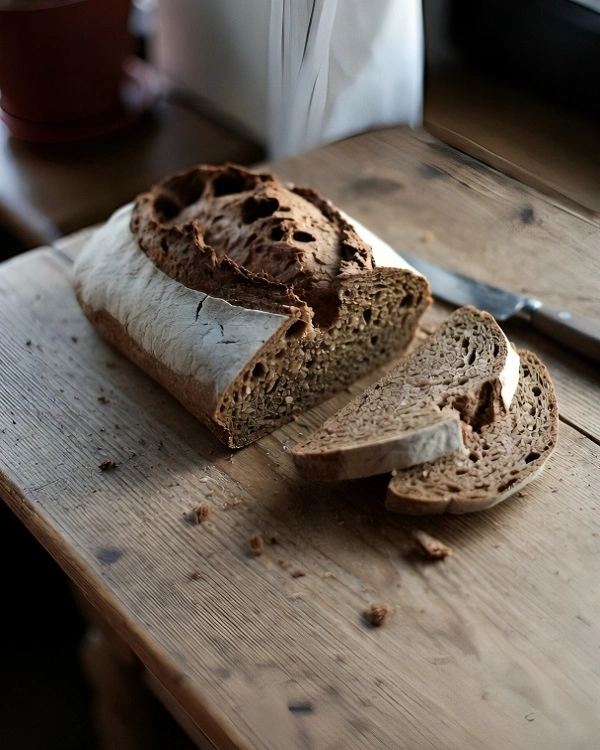
Borodinsky Bread is one of the most recognized types of dark rye bread in Eastern Europe. Known for its deep brown color, dense crumb, and slightly sweet-sour taste, this bread holds a special place in Russian cuisine and is widely eaten across Russia and Ukraine.
Unlike ordinary white bread, it is made mostly from rye flour, giving it a heavier texture and a much stronger flavor. This article explains where the bread comes from, how it is traditionally made, and why it continues to be a staple food in many households.
Origin and History
The history of Borodinsky Bread is rooted in Russia, though its precise origins are still debated by food historians. A popular story links the bread to the Battle of Borodino, a significant clash during the Napoleonic Wars. The tale goes that after Russian General Alexander Tuchkov was killed in the battle, his widow established a convent near the site.
The convent’s nuns are believed to have developed the bread for memorial services, with its dark color representing mourning and the round coriander seeds symbolizing the grapeshot from the battle.
A second legend describes a supply cart carrying rye flour and caraway that was struck during the fighting, forcing local residents to combine the scattered ingredients. A third version credits the composer and chemist Alexander Borodin, though this theory is generally dismissed because rye was not commonly grown in the regions he is said to have visited.
Despite these stories, historical records suggest the bread’s name did not appear before the 1920s, and the modern recipe was not documented in print until 1933, when it appeared in internal notes from a Moscow bakery.
Similar rye bread recipes existed earlier, but they typically used caraway instead of coriander. This means the well-known legends are likely folklore rather than documented fact, though they remain a meaningful part of how the bread is remembered.
Traditional Ingredients

The traditional recipe for Borodinsky Bread was standardized by GOST 5309-50, a set of production norms originally used in Soviet bakeries. According to this standard, the bread must contain:
- At least 80% whole-grain rye flour
- Around 15% second-grade wheat flour
- About 5% rye malt or, occasionally, barley malt
- Beet sugar molasses for color and depth
- Coriander seeds, which are considered essential
- Caraway seeds, which are optional but commonly used
Some modern versions of the bread use 100% whole rye flour without any wheat. There is also a less common variety known as “Supreme,” made only from rye combining 85% whole rye flour with 15% white rye flour. This version follows an older, pre-GOST formula documented in a 1940 baking reference book and is considered a higher-grade take on the traditional loaf.
How the Dough Is Prepared
Borodinsky Bread stands out from many other rye breads due to its distinctive preparation process. The original industrial version, standardized under GOST, relied on a single scalding step: rye flour was mixed with near-boiling water (around 95–96°C) to form a thick paste similar to how choux pastry is made.
Once the mixture cooled to about 65–67°C, yeast was added, and new batches were often inoculated using a small portion of a previous one rather than fresh yeast, a method that helped keep the flavor consistent from one bake to the next.

Many home bakers today follow an adapted, multi-stage version of this idea, built around a separate preference and scale, since it is easier to manage without industrial equipment. This is a typical modern approach:
Preferment stage
A portion of rye flour, water, and a sourdough starter is mixed and left to ferment for several hours, sometimes overnight, to build flavor.
Scalding stage
Rye flour, spices, and sometimes malted rye are combined with boiling water to activate natural sugars and deepen the aroma.
Final dough stage
The preferment and scald are combined with additional flour, salt, molasses, and spices to form the finished dough.
Bulk fermentation and shaping
The dough rests to rise before being shaped and placed into a loaf pan, since rye dough is usually too sticky and low in gluten to be shaped freely like wheat bread.
Baking
The bread is baked at a high temperature initially, then finished at a lower temperature to fully cook the dense crumb.
Because rye dough contains far less gluten than wheat dough, it does not rise the same way. This is why the bread has a compact, moist crumb rather than the light, airy texture found in wheat-based loaves.
Taste, Aroma, and Texture
Borodinsky Bread offers a pleasing mix of sweet and sour flavors. Natural sourdough fermentation creates the sourness, and molasses or sugar syrup provides the sweetness. Coriander lends the bread a light citrusy and nutty aroma, and caraway seeds contribute a subtle earthy note when present.

The crumb is dense, moist, and slightly sticky when fresh, often described as having a “meaty” quality due to its heaviness compared to wheat bread. The crust is usually thin and can appear glossy, especially in versions where a flour wash or starch glaze is brushed on before or after baking.
Some bakers also add a small amount of cocoa powder to modern recipes. This is not meant to create a chocolate flavor. Instead, it helps deepen the color and adds a mild roasted bitterness, acting as a substitute for fermented rye malt, which can be difficult to find outside Eastern Europe.
Nutritional Overview
As a whole-grain bread, Borodinsky Bread offers more fiber than many refined white bread products. A typical serving contains a mix of complex carbohydrates, small amounts of protein and fat, and dietary fiber from the rye flour.
Like many rye breads, it also tends to be relatively high in sodium because of the salt used in the dough, so portion size is worth keeping in mind for anyone watching salt intake.
How Borodinsky Bread Is Traditionally Eaten
This bread is rarely eaten plain. It is most commonly served as a base for open-faced sandwiches, a popular format across Slavic countries. Traditional toppings include:

- Cured or smoked salmon
- Salo (salted pork fat), often paired with pickles
- Salted or marinated herring
- Butter, sometimes with fresh herbs
Because of its dense structure, Borodinsky Bread is also used to make kvass, a traditional fermented beverage made by soaking toasted bread in water along with sugar or molasses and a small amount of yeast. This drink is popular throughout Eastern Europe and is often enjoyed cold, especially in warmer months.

Regional Variations
While the GOST-standard recipe remains the most recognized version, home bakers and regional bakeries have developed their own takes on the bread over the decades. Some use barley malt instead of rye malt, others adjust the ratio of rye to wheat flour, and some leave out caraway entirely.
Despite these small changes, the loaf keeps its core identity: a dark, dense crumb with a mild spice aroma running through it.
Why This Bread Remains Popular
Several factors help explain the lasting popularity of Borodinsky Bread across generations. It is filling, nutrient-dense, and pairs well with a wide range of savory toppings. It also stays fresh longer than many wheat breads, especially when stored properly in an airtight container or frozen for later use.
For many families across Russia and neighboring regions, this bread is also tied to childhood memories and daily meals, making it more than just a food item; it represents a long-standing culinary tradition passed down through generations of bakers.
Conclusion
Borodinsky Bread is a noteworthy example of traditional rye bread, with roots in centuries of Eastern European food culture. Its origins are linked to the Battle of Borodino, though the story is debated, and the bread’s ingredients were later carefully standardized by the GOST system.
This reflects a combination of baking expertise and cultural history. Whether enjoyed with salo, herring, or simply butter, it remains a meaningful part of everyday life across Slavic countries and continues to be appreciated for its rich flavor, dense texture, and nutritional value.

Rachel Bradley is a food writer and recipe developer with a love for home cooking and global flavors. She has spent years testing recipes in her kitchen, exploring everything from quick weeknight meals to traditional dishes from around the world. Her goal is simple — make great food accessible to everyone.