The Best Fluffy Pancakes recipe you will fall in love with. Full of tips and tricks to help you make the best pancakes.

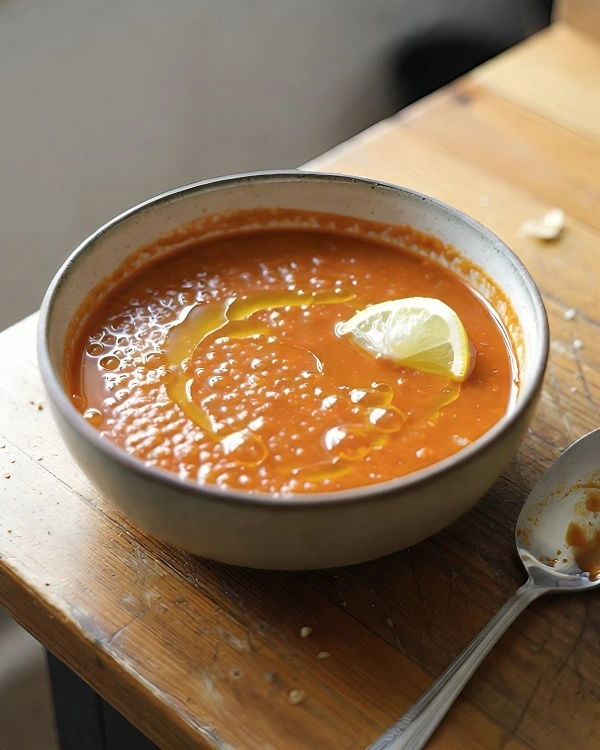
Order a starter at almost any restaurant in Turkey, and a bowl of glowing orange soup often lands on your table before you’ve even opened the menu. That bowl is Mercimek Çorbası, and it has a habit of showing up uninvited but always welcome, at breakfast tables, roadside diners, and the quiet kitchens of grandmothers who never bother writing down the recipe.
What Is Mercimek Çorbası?
Mercimek Çorbası is a traditional Turkish red lentil soup made by simmering red lentils with onion, carrot, potato, and warm spices, then blending the mixture into a smooth, silky texture. Cooks finish it with lemon juice and a drizzle of paprika butter, and it appears across Turkey as a starter, a breakfast dish, and a favorite at the dinner table.
| Quick Facts | Details |
| Cuisine | Turkish (Southeast Anatolian origin) |
| Course | Starter, breakfast, or light main |
| Typical prep time | ~10–15 minutes (approximate; varies by recipe) |
| Typical cook time | ~25–35 minutes (approximate; varies by recipe) |
| Calories | Roughly 116 kcal per 100g cooked lentils |
| Dietary fit | Naturally vegetarian; vegan with vegetable stock; gluten-free |
| Key ingredients | Lemon, cumin, dried mint, onion, carrot, potato, red lentils |
Approximate pronunciation: Turkish speakers say it roughly as “mehr-jee-mek chor-bah-suh,” though the exact sound varies slightly by region. The word çorbası simply means “its soup,” so the full name translates to “lentil soup.”
A Dish Rooted in Ancient History
Lentils rank among the oldest crops ever domesticated by humans. Archaeobotanical and genetic research places the domestication of lentils in the Fertile Crescent roughly 8,000 to 10,000 years ago, with the evidence pointing broadly to southeastern Turkey and northern Syria as the likely homeland of the crop.
Çayönü, a Neolithic settlement in southeastern Anatolia, is one of several sites from this era where archaeologists have recovered pulse remains, including lentils, alongside early evidence of plant cultivation in the region.
This means people in Anatolia were growing and eating lentils long before recorded history began. Because lentils grow well across the Mediterranean and Middle East, similar lentil soups appear throughout the region, including in Egypt, Cyprus, Greece, and the Levant.
Turkish culinary history documents the soup directly. Mahmud Nedim bin Tosun described lentil soup in his cookbook “Aşçıbaşı” (The Head Cook), a well-documented work published around 1900 that recorded recipes from across Anatolia and the late Ottoman Empire.
Period cookbooks from Istanbul, like Ayşe Fahriye’s “Ev Kadını” (Housewife), which came out in the 1880s, also show how people cooked meals like lentil soup in a practical, at-home way.
These historical records confirm that Mercimek Çorbası has held a firm place in Turkish home cooking for well over a century, and its roots reach back much further through oral tradition and regional cooking practices.
Some food historians trace the dish specifically to southeastern Anatolia, a region long known for lentil farming and for feeding its harvest into everyday cooking rather than treating it as a special-occasion ingredient.
What Does Mercimek Çorbası Taste Like?
Based on how home cooks and food writers commonly describe it, Mercimek Çorbası tastes warm and earthy, with a gentle sweetness from the carrot and onion balancing the nutty flavor of the red lentils.
The texture sits somewhere between a soup and a light purée: thick enough to coat a spoon but still easy to sip. The dried mint and cumin add a subtle herbal warmth rather than heat, and a squeeze of lemon at the end brightens the whole bowl with a light tang.
When someone stirs in pul biber or a spoonful of chili butter, the soup gains a mild, smoky kick, though the base recipe stays gentle enough for most palates, including children.
What Goes Into the Soup
The ingredient list stays refreshingly simple, which is part of the dish’s lasting appeal. Red lentils form the base and give the soup its body and characteristic color. Onion and carrot build a mild sweetness, while potato adds heartiness and helps thicken the final texture.
Tomato paste adds color and a hint of tang, while the spice blend, generally cumin, paprika and dried mint, gives the soup its warm, herbal taste without any real heat.

Once blended, the soup takes on a velvety consistency without any cream or dairy, which makes it naturally suitable for vegan and gluten-free diets when prepared with vegetable stock. Home cooks often finish it with extra touches: a drizzle of paprika butter, a scattering of sumac, or a sprinkle of pul biber chili flakes, depending on family preference.
How Turkish Cooks Typically Prepare It

The precise measurements will vary from household to household, but the main technique behind Mercimek Çorbası is the same in Turkish kitchens:
Sauté the aromatics
Cook warm olive oil or butter in a pot and soften chopped onion, and often carrot and potato, until the onion turns translucent.
Tomato paste, cumin, paprika, and sometimes dried mint go into the pot next, cooking briefly until their aromas release.
Add lentils and liquid
Rinsed red lentils join the pot along with water, vegetable stock, or chicken stock, and the mixture comes to a boil.
Simmer until soft
The heat drops to a gentle simmer, and the soup cooks until the lentils and vegetables fully break down, which usually takes twenty to thirty minutes.
Blend for smoothness
Many cooks use an immersion blender at this stage to achieve the soup’s signature velvety texture, though some households prefer to leave it slightly chunky.
Finish and serve
A final touch of lemon juice, melted butter with paprika, or a scattering of dried mint and pulp biber completes the bowl just before serving.
This straightforward sequence explains why the soup remains a weeknight regular in so many Turkish homes: it asks for patience during the summer but very little hands-on effort overall.
How to Store and Reheat Mercimek Çorbası
This lentil soup keeps well, which makes it a practical dish for meal prep. Cooked soup stays fresh for four to five days in the fridge in a container that doesn’t let air in.
Because red lentils thicken considerably as they cool, the soup will look denser the next day; stirring in a splash of water or stock while reheating brings it back to its original consistency.

For longer storage, this Turkish lentil soup freezes well for up to three months. Cooks typically portion it into freezer-safe containers before freezing, then thaw it overnight in the refrigerator.
Reheating works best on the stovetop over medium-low heat, stirred occasionally, though a microwave also works for a single portion. When you reheat something, adding a fresh squeeze of lemon helps bring back the bright flavor that can fade a bit during storage.
Red Lentils and Their Nutritional Value
Red lentils form the heart of this soup, and they bring genuine nutritional strength to the bowl. According to USDA FoodData Central figures, a 100-gram serving of cooked red lentils provides about 9 grams of protein, close to 20 grams of carbohydrates, and around 8 grams of dietary fiber.
The same serving supplies meaningful amounts of folate, iron, and potassium, nutrients that support energy metabolism, healthy blood cells, and normal muscle function.
This nutrient profile helps explain why lentils have sustained populations across the Mediterranean and Middle East since ancient times.
Lentils deliver plant-based protein without the saturated fat found in many animal products, and their fiber content supports digestive health and helps people feel satisfied after a meal.
Because red lentils cook faster than green or brown varieties and break down easily into a smooth texture, they work especially well in soups like mercimek çorbası, where a creamy consistency matters as much as nutrition.
When and How Turks Serve the Soup
People across Turkey reach for this soup throughout the day, not just at dinner. Restaurants serve it as a warm appetizer at lunch or dinner, and in Anatolia, families also eat it for breakfast, especially during the colder winter months. Walk into almost any traditional Turkish restaurant, and a bowl of this soup will likely appear on the menu.

The soup carries particular significance during Ramadan, the Islamic month of fasting, when families serve it during iftar, the meal that breaks the daily fast after sunset. Its combination of protein, fiber, and gentle warmth makes it an ideal food for easing the stomach back into eating after a long day without food or water.
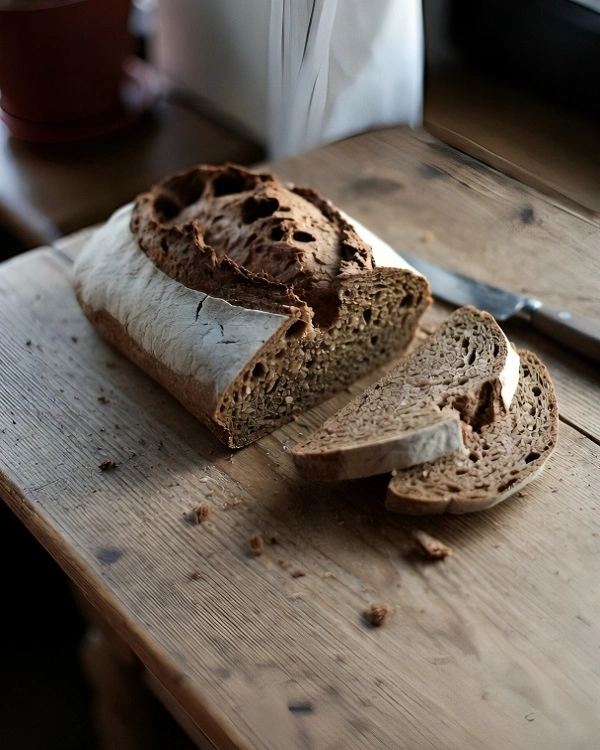
Dining customs across the country shape how people enjoy the soup as well. Restaurants and cafeterias typically serve it with crusty bread on the side, and many diners also stir in a spoonful of chili oil or a sprinkle of pulp to add extra depth.
Regional Variations Worth Knowing
Not every bowl of lentil soup in Turkey looks or tastes the same. Turkish cuisine actually features two separate forms of lentil soup: mercimek çorbası and ezo gelin çorbası, with the latter named after a bride from Turkish legend who is supposed to have developed the dish, and made richer with the addition of bulgur and rice.
Home cooks also adjust mercimek çorbası itself based on family tradition and regional preference, with some versions leaning heavily on mint and cumin while others favor red pepper paste or a stronger sumac finish.
Outside Turkey, cooks in Levantine and Middle Eastern kitchens prepare closely related versions of red lentil soup.
Lentils have served as a staple food across the Middle East and Mediterranean since ancient farming communities first domesticated them, and their use in soup likely stretches back nearly as far, with the same basic recipe adapted differently across the region.
In Arabic-speaking households, for example, a similar soup made from lentils sometimes goes by the name “adas,” reflecting how deeply this humble dish has traveled across cultures while keeping its essential character intact.
Why the Soup Endures
Few dishes manage to stay relevant across thousands of years, yet this traditional Turkish soup has done exactly that. Its staying power comes from a rare combination: the ingredients are inexpensive and widely available, the preparation method is straightforward enough for a weeknight dinner, and the finished dish still delivers genuine nutritional value and comforting flavor.
Families across Turkey have passed the recipe down through generations, and small adjustments in spice or garnish let each household make the soup its own without losing the qualities that define it.
This dish also reflects a broader pattern in Mediterranean and Middle Eastern cooking, where simple, plant-based ingredients transform into deeply satisfying meals through careful technique rather than expensive components.
Mercimek Çorbası proves that a handful of pantry staples, given time and the right spices, can produce a dish capable of feeding both body and tradition, generation after generation.
Take the Flavours of Turkey to Your Kitchen
This soup offers an easy entry point into Turkish home cooking: a handful of pantry ingredients, one pot, and a technique that rewards patience over precision.
If it piqued your curiosity, it sits alongside other well-loved dishes in Turkish cuisine worth exploring, from Ezo Gelin çorbası to the many regional variations of lentil and bulgur dishes found across Anatolia.
Whichever version you try first, understanding the history and tradition behind each bowl makes the experience of eating it that much richer.
FAQs
Is Mercimek Çorbası vegan?
It is naturally vegan when cooks use vegetable stock and olive oil instead of chicken stock and butter. Many restaurants and home cooks in Turkey still use chicken stock or butter, so it can help to ask if a plant-based version is important to you.
What gives the soup its smooth texture without cream?
Red lentils break down naturally during long simmering, and blending the finished soup with an immersion blender creates a silky texture without any dairy.
Why is lemon served with the soup?
Diners in Turkey squeeze fresh lemon juice into the soup just before eating. The acidity balances the earthy richness of the lentils and brightens the overall flavor.
Is Mercimek Çorbası the same as Ezo Gelin soup?
No. While both are Turkish lentil soups, Ezo Gelin soup includes bulgur and rice alongside lentils, giving it a heartier texture, while Mercimek Çorbası relies on lentils alone for its smooth consistency.

James Carter is a food researcher and writer passionate about global cuisines, street food, and the stories behind what we eat. He combines thorough research with a genuine love for food culture to bring readers accurate, well-written, and interesting content.