The Best Fluffy Pancakes recipe you will fall in love with. Full of tips and tricks to help you make the best pancakes.

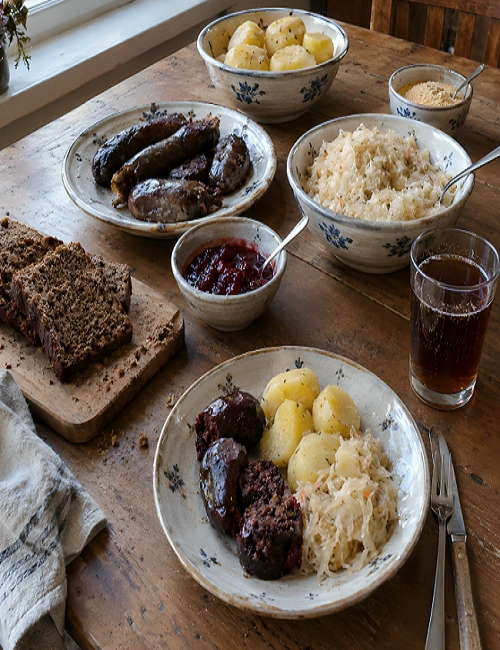
Estonian food dishes rarely shout for attention. Salt, pepper, and one unusually sharp mustard do most of the work. Spice and heat barely feature at all.
This cuisine gets interesting once you look past the flavor and into the habits behind it: patience, hard winters, and a few customs Estonians find completely normal but outsiders struggle to believe.
Why Estonian Food Tastes This Way
Harsh winters shaped this cuisine first. Soviet-era isolation shaped it second. Processed food swept across most of Europe decades ago, but Estonia had no access to it, so foraging, smoking, and fermenting stuck around out of necessity.
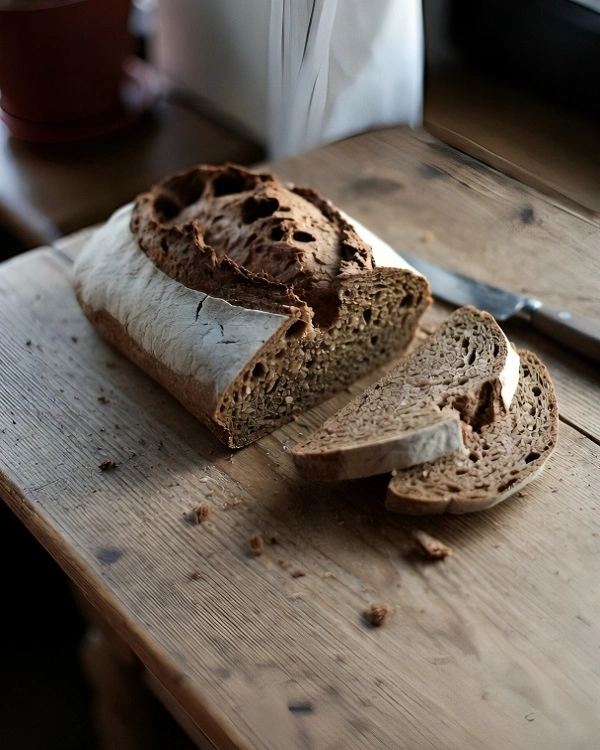
Rye bread still ferments for a day or two before it hits the oven, depending on the recipe and the household. Which is where the sour taste comes from.
Little on an Estonian plate travels far. Much of the traditional cooking relied on ingredients that could be grown, gathered, or raised locally.
Verivorst: Blood Sausage Estonians Actually Crave
Pig’s blood, pork, barley, onion, and allspice go into verivorst, stuffed into a sausage casing. The taste lands close to black pudding: rich, savory, with a faint mineral edge under it.
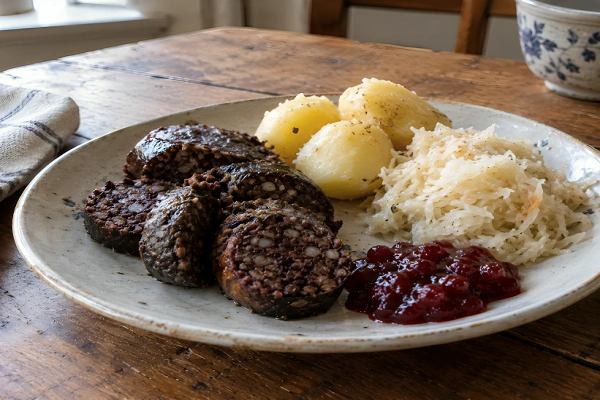
Christmas tables rarely go without it, served jet black with a spoonful of tart lingonberry jam cutting through the richness, often alongside a sauerkraut and barley stew called mulgikapsad.
Ask which one counts as Estonia’s national dish and you’ll get different answers. No official title exists, and the two dishes usually end up on the same plate anyway.
Leivasupp: Dessert Made From Stale Bread
Old, hardened rye bread turns into dessert once it’s boiled down with cinnamon, sugar, and raisins. Chilled and finished with a spoonful of sour cream, the texture sits somewhere between porridge and custard.
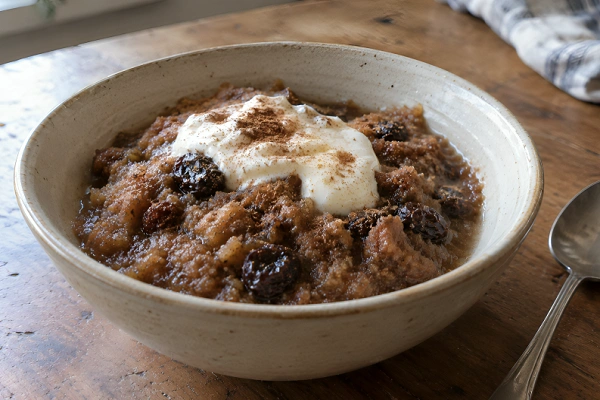
Bread was once too valuable to waste, and that habit turned into a dish. Families still make leivasupp today, only now they do it because they want to, not because they have to.
Rosolje: The Beetroot Salad Nobody Forgets
Beetroot bleeds into everything the moment it meets potato, herring, sour cream, and mayonnaise. The whole dish comes out a deep pink, tangy, faintly sweet, briny from the herring.
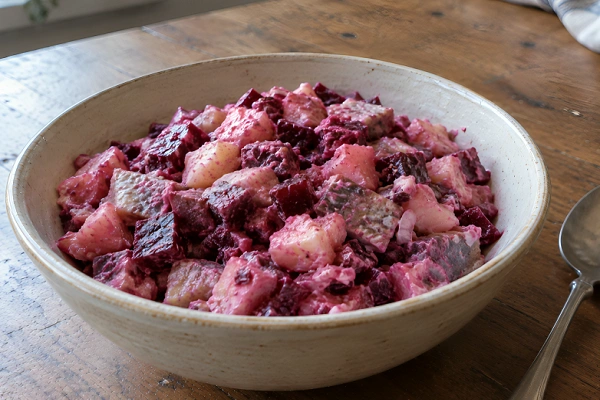
No proper gathering skipped it between the 1930s and the 1960s. These days, the simpler eesti kartulisalat, made with potato, carrot, egg, and smoked sausage, gets made far more often.
Kama: A Powder That Tastes Like the Countryside
Roasted barley, rye, oats, and peas get ground into a fine, beige powder, then stirred straight into buttermilk or kefir. Nutty, lightly sweet, close to what toasted grain smells like right before you eat it.
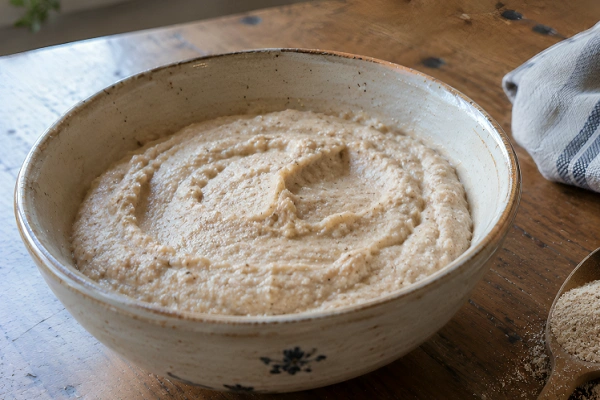
Finland has a related roasted-grain mixture called talkkuna, but that version slid into nostalgia territory over time. Kama stayed an ordinary Estonian breakfast, eaten without much thought at all.
Kiluvõileib and Kali
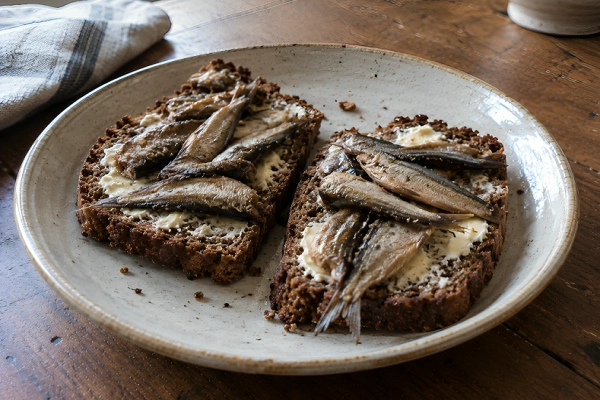
Buttered rye bread, a smear of garlic, and a layer of smoked or pickled sprats make kiluvõileib. It’s salty and sharp, usually paired with a shot of vodka rather than treated as a full meal.
Kali comes from soaked, mildly fermented rye bread, a close cousin of Eastern Europe’s kvass. Most people taste a malty soda with a light tang. The trace of alcohol inside rarely gets noticed.
The One Day Estonia Grills Like the Caucasus
June 23rd changes the menu completely. Midsummer Eve sends nearly the whole country toward shashlik, skewered marinated meat with roots in the Caucasus region and nothing to do with native Estonian cooking.
Supermarkets stock pre-marinated skewers for days beforehand. By evening, bonfires across the country do the actual cooking. Origin aside, few food traditions here follow this consistently.
Where to Start
Spice was never the point of any of this. Blood, stale bread, and fermented grain became food people request on purpose, built slowly out of generations spent making do with very little.
Kiluvõileib or eesti kartulisalat make an easy entry point. Save verivorst and leivasupp for later, once you’re ready for dishes that carry a heavier piece of Estonia’s history in every bite.
FAQs
What do Estonians eat for breakfast?
Curd cheese on rye bread with berry jam is common, alongside sõir, a caraway-spiced cheese. Kids often get vispipuuro, a whipped semolina mousse with berries.
Can vegetarians eat well in Estonia?
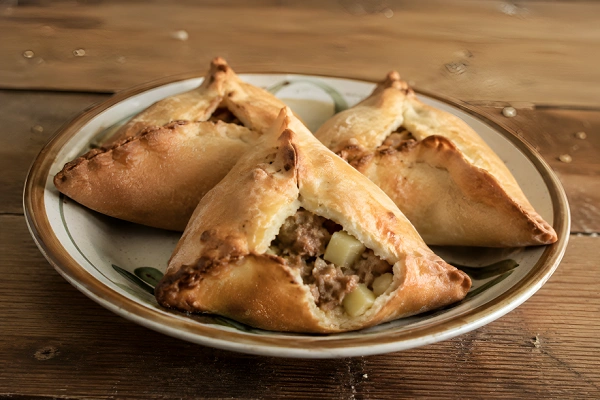
Old-school taverns offer little beyond a cheese casserole. Tallinn and Tartu make up for it with vegan cafes and meatless pirukas fillings like mushroom or cabbage.
How does Estonian food compare to Finnish or Russian cuisine?
Rye bread, smoked fish, and foraged berries run through all three. Estonian cooking stands out for lighter seasoning and a stronger German influence.
Do Estonians eat a lot of fish?
Baltic herring, or räim, is the national fish, and smoked eel counts as a delicacy. Kalasupp, a light fish-and-dill broth, is a summer favorite.
Is Estonian rye bread gluten-free?
No, leib is made from rye flour, so it contains gluten. Larger Tallinn restaurants sometimes offer gluten-free bread on request.

James Carter is a food researcher and writer passionate about global cuisines, street food, and the stories behind what we eat. He combines thorough research with a genuine love for food culture to bring readers accurate, well-written, and interesting content.