The Best Fluffy Pancakes recipe you will fall in love with. Full of tips and tricks to help you make the best pancakes.

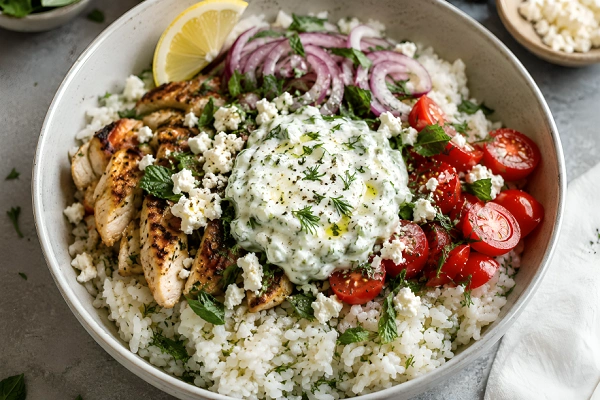
There is a specific kind of meal that earns a permanent spot in your weekly rotation, the kind where every component tastes better together than it does on its own. This tzatziki rice recipe is exactly that. It started as something I threw together on a warm Tuesday evening with leftover rice, a cucumber that needed using, and a tub of Greek yogurt. What came out felt genuinely transported cool, herbaceous, and full of the bright, clean flavors that make Greek food so satisfying.
The base is straightforward: fragrant herbed rice topped with a creamy homemade tzatziki, prepared using thick Greek yogurt, freshly grated cucumber, dill, garlic, and a touch of red wine vinegar. On top goes whatever protein or topping you prefer: crispy pan-fried halloumi, grilled chicken, or roasted chickpeas for a vegetarian tzatziki rice bowl. Feta crumbles and fresh herbs seal the deal.
Why this recipe works: In this dish, tzatziki isn’t just a topping; it doubles as a creamy dressing that brings all the elements of the bowl together. Cool yogurt against warm rice creates a contrast that makes every bite interesting.
Quick Stats
Prep Time: 15 minutes Cook Time: 20 minutes Total Time: 35 minutes Servings: 4 Cuisine: Greek Protein per serving: ~34 g
What Makes This an Authentic Tzatziki Rice Recipe
The word “authentic” gets thrown around casually in food writing, so it deserves a moment of honesty. The authentic tzatziki rice recipe as a single defined dish does not exist in the Greek culinary canon the way spanakopita does.
What has existed for generations, though, is the practice of pairing tzatziki with grains, flatbreads, and proteins across Greek households. This bowl-style version is just a contemporary and convenient way to enjoy those classic flavors.
What keeps it grounded in traditional tzatziki rice recipe territory is the tzatziki itself. Traditional Greek tzatziki uses strained yogurt, cucumber that has been genuinely squeezed dry, raw garlic, fresh dill, good olive oil, and either red wine vinegar or lemon juice for acidity. Skip any one of those and you have something adjacent but not quite there.
The Tzatziki Ingredients And Why Each One Matters
The quality of your tzatziki determines the quality of the whole bowl. These are the tzatziki ingredients that make the real difference:
Greek yogurt (full-fat, strained)
The richness from full-fat yogurt is what makes tzatziki thick and creamy enough to cling to every grain of rice. Without enough fat, the yogurt has too much residual water and not enough richness. The sauce becomes thin and one-dimensional rather than the substantial, silky dip it should be.
Cucumber grated and squeezed dry
Cucumber is roughly 96% water by weight. That moisture is what makes it refreshing to eat raw but inside a yogurt-based sauce, it works against you. Removing it before mixing is what separates a tzatziki that holds its texture for days from one that turns watery within the hour.
Fresh dill
Dried dill works in a pinch, but fresh dill carries a bright, slightly anise-like quality that dried simply cannot replicate. It is one of the clearest markers of a well-made tzatziki. Use it generously.
Raw garlic
One clove, grated rather than minced. Grating releases the oils differently and distributes the flavor more evenly. Raw garlic softens and mellows as the tzatziki sits in the fridge, so do not be put off by its sharpness when you first mix it.
Red wine vinegar or lemon juice
Red wine vinegar is the traditional Greek choice; it adds the right sharpness without overpowering the yogurt. Fresh lemon juice is a widely used and perfectly acceptable substitute that brings a brighter, more citrusy note. Either works well; use whichever you have or prefer.
Extra-virgin olive oil
Add a light drizzle on top just before serving instead of stirring it through. It adds richness and a beautiful sheen on top.
Chef’s tip: Make the tzatziki up to two days ahead. The garlic mellows and the dill infuses deeply, making the sauce noticeably better on day two. Keep it sealed in the fridge and it works across multiple meals spread on toast, spooned over roasted vegetables, or used as a dipping sauce for warm pita.
Ingredients
For the Herbed Rice
- 1½ cups long-grain white rice or basmati
- 2¼ cups water or light chicken stock
- 2 tbsp olive oil
- 3 garlic cloves, minced
- 1 tsp dried oregano
- ¼ cup fresh parsley, chopped
- 1 lemon, zested
- Salt and black pepper to taste
The Homemade Tzatziki Sauce
- 1 cup full-fat Greek yogurt, strained
- ½ English cucumber, grated and squeezed dry
- 1 garlic clove, grated
- 2 tbsp fresh dill, finely chopped
- 1 tbsp red wine vinegar (or fresh lemon juice)
- 1 tbsp extra-virgin olive oil
- ½ tsp salt
For the Bowl Toppings
- 200 g halloumi, grated and pan-fried (or grilled chicken, or roasted chickpeas)
- ½ cup cherry tomatoes, halved
- ¼ red onion, thinly sliced
- 80 g feta cheese, crumbled
- Handful of fresh mint and basil leaves
- Pomegranate seeds, optional
Step-by-Step Instructions
Step 1 Make the tzatziki first
Grate the cucumber using the large side of a box grater, then wrap it in a clean towel and squeeze out as much liquid as possible. You will be surprised how much comes out this step is what gives the finished sauce its thick, spoonable consistency.
Combine the Greek yogurt, drained cucumber, grated garlic, chopped dill, red wine vinegar (or lemon juice), and salt in a bowl. Give it a good stir and let it rest in the refrigerator for at least 15 minutes before serving.
Step 2 Cook the herbed rice
Rinse the rice under cold water until it runs mostly clear. In a medium saucepan, warm the olive oil over medium heat and sauté the minced garlic for about 60 seconds until fragrant. Add the rinsed rice and toast it in the oil for 2 minutes, stirring.
Pour in 2¼ cups of water or stock, add the oregano, and season with salt. Bring to a boil, reduce to the lowest possible heat, cover, and cook for 15 minutes. Remove from heat, keep covered, and allow it to rest for 5 minutes to finish steaming.
Step 3 Prepare the protein
For crispy halloumi: Grate the halloumi on the large side of a box grater. Heat a non-stick pan over medium-high with no oil. Add the halloumi and stir frequently; it will release some liquid before crisping up in about 4 to 6 minutes. Remove when golden brown. For grilled chicken: Season with olive oil, oregano, smoked paprika, salt, and pepper. Grill over medium-high heat for 6 to 7 minutes per side, then slice.
Step 4 Finish the rice
Fluff the rested rice gently with a fork. Fold in the chopped parsley and lemon zest while still warm. Taste and adjust salt.
Step 5 Assemble
Spoon a generous portion of herbed rice into each bowl. Add a large spoonful of tzatziki directly on top, do not stir it in. Arrange the halloumi or chicken, cherry tomatoes, and sliced red onion around it. Finish with crumbled feta, fresh mint and basil, a drizzle of olive oil, and pomegranate seeds if using. Serve immediately.
Common Mistakes to Avoid
Not squeezing the cucumber
The issue isn’t just a thinner sauce; within about 20 minutes, unsqueezed cucumber releases excess liquid that settles at the bottom and turns the rice underneath soggy. Once that happens, there is no recovery. Squeeze it properly and the sauce stays thick and intact for days.
Using low-fat or regular yogurt
The issue is not just texture, it is structure. Full-fat strained yogurt has enough protein and fat to hold the sauce together even after the cucumber and garlic release their moisture over time. A low-fat version breaks down faster, tastes flat, and loses its appealing consistency by the second day.
Mix the tzatziki into the rice too early
Tzatziki is a cold sauce on warm rice that contrast is a feature, not a flaw. If you stir it in ahead of time, it disappears into the rice, loses its texture, and makes everything soggy. Add it at the table, on top, just before eating.
Using dried dill instead of fresh
Dried dill produces a muted, slightly dusty flavor that falls flat against the brightness of yogurt and cucumber. Fresh dill is one of the few ingredients in this recipe where the fresh vs. dried difference is truly dramatic. If fresh dill is unavailable, fresh mint is a better substitute than dried dill.
Not resting the rice
Pulling the lid off immediately after the timer goes off gives you uneven, slightly wet rice. The 5-minute covered rest off the heat is what allows the steam to finish cooking the grains evenly and lets the texture settle.
Serving Ideas
A tzatziki rice bowl is complete on its own, but it also pairs and extends beautifully in several directions.
With warm pita or flatbread
Serve a basket of warm pita alongside the bowls. It is ideal for scooping up extra tzatziki and mopping the bowl clean at the end. Naan works just as well if pita is not available.
As part of a Greek mezze spread
Set out the rice bowls alongside a simple Greek salad of tomato, cucumber, red onion, olives, and feta, a small plate of marinated olives, and some hummus. This turns a weeknight dinner into something that feels genuinely celebratory with very little extra effort.
For meal prep lunches
Pack the rice and protein in one container and the tzatziki in a separate small jar. Assemble the bowl just before eating to keep all the textures at their best.
As a wrap filling
Leftover rice and chicken or halloumi makes an excellent filling for a large flatbread or tortilla with tzatziki spread directly onto the wrap, a handful of lettuce, and some sliced tomato.
Topped with a fried or poached egg for extra richness
For a weekend brunch version, skip the grilled protein and place a soft-yolk egg directly on the rice before adding the tzatziki. The yolk running into the sauce is unexpectedly good.
Make-Ahead and Storage
This easy tzatziki rice recipe was practically designed for meal prep.
The homemade tzatziki keeps sealed in the fridge for up to 4 days. By day two, the flavor is even better. If liquid pools on top, simply stir it back in.
The herbed rice reheats well. Add a tablespoon of water before microwaving and fluff with a fork. For up to three or four days it will remain fresh.
For halloumi, make it fresh each evening. It only takes a few minutes and holds its crispness far better that way. Grilled chicken, on the other hand, stays good for up to 3 to 4 days and can be added cold directly onto the rice.
Meal prep approach: On Sunday, cook a double batch of rice and prepare the tzatziki. During the week, assemble bowls in about five minutes with your protein of choice made fresh.
Nutrition (Per Serving, with Halloumi)
| Nutrient | Amount |
| Calories | 520 kcal |
| Protein | 34 g |
| Total Fat | 18 g |
| Carbohydrates | 54 g |
| Fiber | 3 g |
| Sodium | 640 mg |
FAQs
You can use store-bought tzatziki if needed?
Yes, and the bowl will still be good. That said, homemade tzatziki takes about ten minutes and the freshness especially in the dill is genuinely noticeable. Good-quality store-bought from a Greek or Mediterranean brand is a solid shortcut when time is short.
What type of rice works best?
Long-grain white rice and basmati both work well. Basmati has a slightly more aromatic, nutty quality that complements the Greek flavors. Short-grain or jasmine are usable but produce a stickier texture. Brown rice works to just extend the cooking time.
Is this recipe gluten-free?
Yes. All of the essential ingredients in halloumi, tzatziki, rice, and vegetable toppings are naturally gluten-free. Just confirm your feta and any store-bought additions are free of hidden additives.
How do I keep the tzatziki from making the rice soggy?
Two things help: squeezing the cucumber thoroughly, and adding the tzatziki at serving time rather than mixing it ahead.
Should I use lemon juice or red wine vinegar in the tzatziki?
Both work well. Red wine vinegar is the more traditional Greek choice and gives a slightly deeper tang. Fresh lemon juice is brighter and more citrusy. If you want to stay closer to an authentic Greek flavor, go with red wine vinegar.
Can I make a dairy-free version?
The tzatziki needs a plant-based swap; unsweetened coconut-based or cashew-based yogurt works best. Leave out the feta or choose a dairy-free substitute. Replace halloumi with roasted chickpeas or seasoned tofu.
The recipe was tried in a home kitchen several times. Nutrition estimates are approximate and will vary based on specific ingredients used.

Rachel Bradley is a food writer and recipe developer with a love for home cooking and global flavors. She has spent years testing recipes in her kitchen, exploring everything from quick weeknight meals to traditional dishes from around the world. Her goal is simple — make great food accessible to everyone.