The Best Fluffy Pancakes recipe you will fall in love with. Full of tips and tricks to help you make the best pancakes.

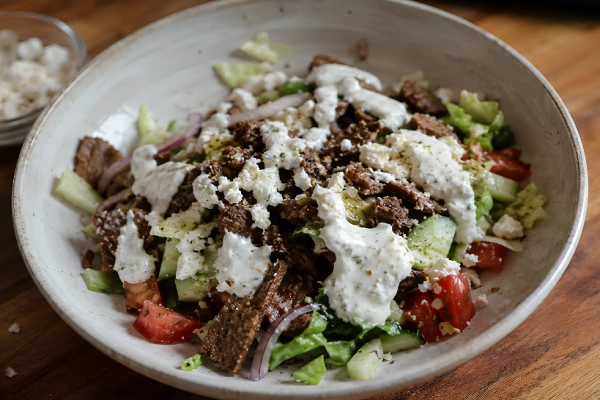
Most gyro salad recipe guides tell you what to do, toss some vegetables in a bowl, cook the meat, add dressing but they rarely explain why it works or how to fix things when it doesn’t.
This guide is different.
By the end of this article, you will not only know how to make a proper gyro salad, but also understand how each ingredient affects the final result, how to avoid the most common mistakes, and how to adapt the recipe based on what you actually have in your kitchen. Whether you are cooking for the first time or just tired of bland, watery results, this is designed to give you confidence not just instructions.
Think of it less as a recipe and more as a complete system you can rely on every time.
What Is It and Who Is It For?
A gyro salad is a deconstructed version of the classic Greek gyro sandwich. Everything that normally goes inside a pita spiced meat, cucumber, tomatoes, onion, feta, and a creamy yogurt dressing gets arranged over fresh greens instead. Same flavors, lighter format, no bread required.
The word “gyros” comes from the Greek word for “turn” or “circle,” because traditional gyro meat cooks on a rotating vertical spit. In English, “gyro” became a common everyday term. At home, that rotisserie is replaced with a skillet and ground meat seasoned with the same Greek spice blend. The result is not identical to a restaurant gyro, but it is genuinely satisfying and far quicker to prepare.
This dish has become especially popular among people following low-carb, gluten-free, and keto-friendly eating patterns, since removing the pita cuts carbohydrates significantly while keeping protein and flavor fully intact.
Who this is for: Anyone who can chop vegetables and cook ground meat in a pan. No advanced cooking skill is needed. Total time: 25 to 30 minutes. Note on cost: Ingredient prices vary significantly by region and season. In most areas, this is an affordable everyday meal lamb tends to cost more than beef or chicken wherever you shop.
Knowing the Ingredients And Why Each One Is Important
Most recipes just list what to buy. Knowing why each item is there helps you make smarter decisions especially when something is unavailable.
Romaine lettuce is the right base because it is sturdy. It does not wilt immediately when warm meat is placed on top, which matters since this dish is assembled and eaten right away. Softer leaves collapse quickly and become watery under heat.
Dried oregano is the backbone of the seasoning. That is what makes the meat taste authentically Mediterranean, rather than generic. Do not reduce the quantity it is meant to be prominent here, not subtle.
Smoked paprika adds gentle warmth and a mild smoky quality to the meat. It is not spicy but it adds a layer of depth that regular sweet paprika does not provide. Note that smoked paprika does not replicate the exact flavor of rotisserie char; it simply adds its own distinct smokiness that complements the other spices well.
Lemon juice and lemon zest in the dressing serve different purposes. The juice adds brightness and cuts through the richness of the yogurt. The zest contributes a floral, aromatic quality that juice alone cannot deliver. Using both is worth the extra step.
Kalamata olives are brined, fruity, and slightly bitter. They balance the saltiness of feta and the richness of the protein. Regular canned black olives are milder and less complex, but they still work if Kalamata are unavailable.
Feta cheese is best bought as a block and crumbled by hand just before using. Block feta is generally moister and more flavorful than most pre-crumbled versions, though quality varies by brand. Pre-crumbled feta tends to be drier because the smaller pieces lose moisture faster in packaging.
Fresh dill gives the yogurt sauce its signature character. Dried herbs are generally more concentrated in flavor than fresh so dried dill is actually stronger per gram. The standard culinary conversion is 1 tablespoon of fresh dill equals 1 teaspoon of dried dill at a 3:1 ratio. Use fresh when available for a brighter, more aromatic result. If using dried, measure carefully as too much can turn bitter.
Local Substitutes for Hard-to-Find Items
This section is skipped in most recipes, but it is especially relevant if you are shopping in South Asia or any region where some of these ingredients are not commonly stocked.
Kalamata olives not available?
Any jarred black olives work fine; they are milder but still bring a briny quality the dish benefits from. A few capers do the same in even smaller numbers.
Greek yogurt not available?
Hang regular plain yogurt in a muslin cloth for two to three hours in the refrigerator. The whey drips out and what remains is thick, strained yogurt functionally very similar to Greek yogurt for this purpose.
Feta not available?
Crumbled paneer with a pinch of extra salt is a reasonable texture substitute, but keep in mind the flavor will be noticeably different. Feta is tangy, salty, and slightly briny. Paneer is mild and bland. The salad will still be tasty, only with a different flavor. A mild white cheese like domination is a closer flavor match if accessible.
Fresh dill not available?
Because dried dill is more concentrated, use one teaspoon dried for each tablespoon called for in the recipe. Alternatively, replace it entirely with fresh mint. A mint-based yogurt sauce is slightly sweeter but pairs particularly well with lamb.
Ground lamb not available?
Ground beef is a direct substitute. If neither of these are available, the next best thing is minced chicken thighs. Thighs have more fat than breast meat and stay moist better during pan cooking, though any ground poultry can dry out if overcooked regardless of the cut.
Sour cream not available?
Skip it or add a small spoonful of thick cream. The dressing will be slightly less rich but still functions well.
How to Make the Tzatziki Dressing the Right Way
The yogurt sauce is where most people go wrong not because it is complicated, but because two small steps are almost always skipped.
Ingredients:
- ½ cup plain Greek yogurt or strained yogurt
- ¼ cup sour cream (optional)
- ½ cucumber, peeled and grated
- 1 garlic clove, minced
- 1 tbsp fresh lemon juice
- 1 tsp lemon zest
- dill, either fresh or dried, 1 tablespoon
- 1 tsp fresh mint leaves (optional)
- Salt and cracked black pepper to taste
Step one drain the cucumber properly
After grating, place it in a clean cloth or fine strainer, sprinkle a small pinch of salt, and leave for five minutes. Then squeeze firmly. The amount of liquid that comes out is always surprising. Skip this step and the dressing turns thin and watery within minutes of hitting the salad.
Step two let it rest
After mixing everything together, refrigerate for at least 15 minutes before using. This gives the yogurt time to fully absorb the garlic and dill. Made and used immediately, it tastes flat and sharp. After 15 to 20 minutes in the fridge, the flavors mellow and the herbaceous notes develop properly.
The sauce keeps for two days sealed in the refrigerator and actually improves on day two as the flavors continue to develop. Freezing is not recommended. yogurt separates when frozen and thawed, and while stirring can partially bring it back together, the texture is never quite the same as fresh.
Step-by-Step Instructions
Step 1 Start with the dressing
Make the yogurt sauce first and get it into the refrigerator before anything else. It needs that resting time while you prepare everything else.
Step 2 Season the meat
Combine 250g ground lamb or beef with 1 tsp dried oregano, ½ tsp smoked paprika, 2 minced garlic cloves, ½ tsp salt, and ¼ tsp black pepper. Mix with your hands rather than a spoon it distributes the seasoning far more evenly through the meat.
Step 3 Cook the protein
Put 2 tablespoons of olive oil in a wide pan and heat it over medium-high heat. Add the seasoned meat and break it apart as it cooks. Do not stir constantly, let it sit undisturbed for a minute at a time so it develops some browning on the edges. Cook for 7 to 10 minutes until fully browned with no pink remaining. Drain briefly on a paper towel before using.
Step 4 Toast the pita
Cut one or two pita breads into small squares or wedges. Toast in a dry pan or in an oven at 180°C for about five minutes until golden and crispy. Watch closely — they go from golden to burnt very quickly.
Step 5 Prepare the vegetables
Lightly salt the cucumber slices and let them sit for two minutes, then pat dry. This draws out excess moisture and improves their texture. Chop the tomatoes and slice the red onion thinly.
Step 6 Assemble and serve
Lay the lettuce in a wide bowl or plate. Add cucumber, tomatoes, red onion, feta cheese, and olives. Place the warm browned meat on top. Spoon the chilled yogurt sauce generously over everything. Add the toasted pita pieces last so they stay crispy. Adding a taste of fresh lemon right before you eat brings the whole thing together.
Serve immediately. Once assembled, the textures begin to decline within 20 to 30 minutes as the croutons soften and the lettuce wilts under the warm meat.
Common Mistakes and How to Avoid Them
Not draining the cucumber
The single most common error. Undrained cucumber releases water into the yogurt and turns the dressing thin. Always squeeze it thoroughly before mixing.
Letting the meat cool before assembling
The appeal of this dish depends on the contrast between warm spiced meat and cold crisp vegetables. Cook, assemble, and serve in sequence without delay.
Overcrowding the pan
Too much meat in a small pan causes it to steam rather than brown. Cook in batches if you need to, and use a wide pan. When meat steams instead of sears, it misses the browning process that develops deeper flavor on the surface.
Adding the pita too early
Toasted pita absorbs moisture within minutes. Add it right before the bowl reaches the table, not during assembly.
Overdressing
The yogurt sauce is thick and rich. You can start with two tablespoons per serve. More can always be added at the table but cannot be removed once the salad is dressed.
Using pre-crumbled feta without checking quality
Not all pre-crumbled feta is inferior but check that it is moist and not overly dry before buying. Where block feta is available and affordable, crumbling it yourself just before serving gives the best texture.
Serving Suggestions
This is a complete meal on its own. It has protein, fat, fiber, and carbohydrates all in one bowl. But if you want to build a fuller spread, here are some natural pairings:
Avgolemono, a traditional Greek sauce and soup base made from eggs and lemon juice, sometimes served as a light soup with rice or orzo added complements the Mediterranean flavor profile of this dish. It is worth noting that avgolemono requires careful technique as the eggs must be tempered slowly to avoid scrambling, so it is better suited to those already comfortable in the kitchen rather than complete beginners.
Hummus with warm pita on the side works well if the pita croutons are skipped from the salad itself. It gives the table a mezze feel without much extra effort.
Mint lemonade or sparkling water with lemon are ideal drinks. The acidity pairs naturally with the richness of the yogurt dressing and salty cheese.
For a group setting, lay all components out separately in bowls and let people assemble their own portions. This also solves the soggy crouton problem entirely since nothing sits dressed for long.
Storage Instructions
Since this dish has multiple components, each one stores differently.
The yogurt dressing is kept for two days in a sealed container in the refrigerator. It’s normal for it to split a little after sitting for a while, so mix it up before you use it.
Cooked meat is kept for up to three to four days refrigerated at or below 4°C (40°F), in line with standard food safety guidelines for cooked ground meat. Reheating in a skillet over medium heat for two to three minutes gives the best texture. Microwaving on low power with a damp paper towel over the plate also works reasonably well if a stovetop is not convenient, just avoid high power which can make the edges tough.
Chopped vegetables keep for one to two days stored dry and undressed in the refrigerator. Do not put any sauce on top before you cook.
Toasted pita pieces keep best at room temperature in a jar with a loose lid. If you seal them up tightly, the moisture inside will quickly soften them, so don’t do that. In dry climates they can stay crispy for up to two days. In humid conditions such as much of South Asia during warmer months consume them within a few hours of toasting for the best texture.
Once assembled and dressed, the salad does not store well. Eat within 20 to 30 minutes of plating for the best experience.
Nutritional Overview
The values below are rough estimates only, based on ground lamb with full yogurt dressing, feta, olives, and toasted pita. For precise calorie or macro tracking, use a nutritional calculator with your exact ingredient brands and quantities values can vary considerably depending on the fat content of your meat, the brand of yogurt, and portion sizes used.
| Nutrient | Rough Estimate Per Serving |
| Calories | ~450–480 kcal |
| Protein | ~26–30 g |
| Carbohydrates | ~18–22 g |
| Fat | ~28–32 g |
| Fiber | ~4–5 g |
| Sodium | ~900–1,100 mg |
Without pita and using grilled chicken instead of lamb, calories drop to roughly 320–360 kcal per serving. The dish is naturally gluten-free when pita is omitted, and fits within standard ketogenic and low-carb eating patterns when the dressing is made with full-fat yogurt.
FAQs
Can this be made ahead of time?
The components can be prepped a day in advance and stored separately. Assemble only when ready to eat. When you dress the salad ahead of time, the croutons and greens get soft.
Why does the yogurt sauce taste bland?
Two likely reasons: the garlic and dill were not given enough time to infuse into the yogurt, or the cucumber was not properly drained and diluted the base. Always rest the sauce for at least 15 minutes and always squeeze the cucumber thoroughly before mixing.
Can it be made vegetarian?
Yes. Roasted chickpeas or pan-fried halloumi cheese replace the meat well. Season either with the same spice blend oregano, smoked paprika, garlic, salt before cooking for a consistent flavor throughout the bowl.
What if romaine is not available?
Butter lettuce and mixed greens are both good alternatives, each with a slightly different texture and flavor. Which option is best relies on what you want. Butter lettuce is softer and milder, while mixed greens bring more variety. Iceberg is the weakest option; it has very little flavor and releases water quickly under warm ingredients.
How is this different from a regular Greek salad?
A traditional Greek salad has no meat and no leafy greens. It is built around tomatoes, cucumber, olives, onion, and feta with an olive oil dressing and is typically served as a side dish rather than a main. This dish is a complete, protein-rich meal built on the same flavor foundations.
Is store-bought tzatziki acceptable?
Yes, it is a practical shortcut for busy days. Mixing it with a little olive oil or the oil from a jar of marinated feta loosens the texture and adds a bit more depth for use as a salad dressing.
My tzatziki turned watery after sitting. What went wrong?
Almost certainly the cucumber. Even if drained before mixing, cucumber continues releasing water over time. This is normal. Simply stir the dressing before using, or spoon off any pooled liquid from the surface before serving.

Rachel Bradley is a food writer and recipe developer with a love for home cooking and global flavors. She has spent years testing recipes in her kitchen, exploring everything from quick weeknight meals to traditional dishes from around the world. Her goal is simple — make great food accessible to everyone.