The Best Fluffy Pancakes recipe you will fall in love with. Full of tips and tricks to help you make the best pancakes.

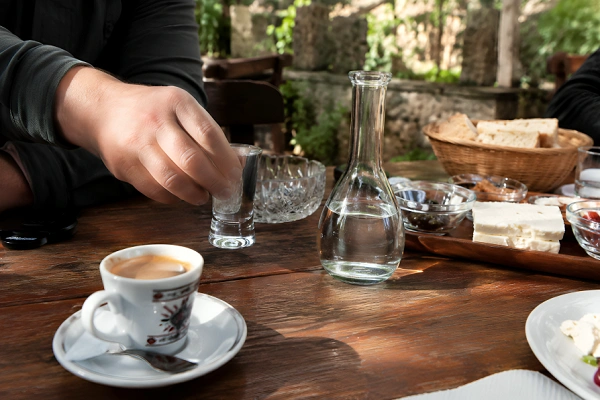
You just landed in Albania. A local family invites you inside. Before you’ve even sat down, something is placed in your hand: a small glass of clear, strong liquid. You don’t ask what it is. You say gëzuar, you make eye contact, and you drink.
That moment, simple, unrehearsed, completely genuine, is Albanian drink culture in its purest form.
Whether you’re planning a trip, curious about Albanian food traditions, or just want to know what people actually drink in one of Europe’s most underexplored countries, this guide covers everything. The national spirit, the coffee rituals, the mountain teas, the ancient wines, the yogurt drinks all of it, with the cultural context that makes each one actually interesting.
Quick Guide: Top 5 Albanian Drinks at a Glance
| Drink | Type | Best Known For |
| Raki | Alcoholic spirit | Albania’s traditional drink is typically made by distilling grapes or plums |
| Turkish Coffee | Non-alcoholic | Daily ritual, served in every home and kafene |
| Çaj Mali | Non-alcoholic | Wild mountain tea, earthy and warming |
| Dhallë | Non-alcoholic | Yogurt drink, refreshing and digestive |
| Albanian Wine | Alcoholic | Ancient tradition, unique native grape varieties |
Visiting Albania? If you only try one thing, make it homemade raki offered by a local family. It’s the single most authentic Albanian experience you can have in a glass.
Understanding Albanian Drink Culture
The Role of Drinks in Albanian Hospitality
In Albanian culture, offering a drink is an act of respect. When you walk into an Albanian home, you will almost certainly be offered something before you’ve even taken your coat off. To refuse is considered impolite. To accept even a small glass signals that you are welcome, that you trust your host, and that you’re willing to sit for a while.
This tradition is rooted in the Kanun, a centuries-old code of customary law that placed the treatment of guests as one of its central obligations. While the Kanun is no longer a legal framework, its spirit lives on in ordinary daily life not as a formal rule, but as a genuine cultural instinct.
Drinks also mark the rhythm of the day. There’s a time and a context for each beverage, and locals navigate these unspoken rules naturally: morning coffee with neighbors, something cold in the afternoon heat, raki before a proper meal, tea to wind the evening down.
Regional Influences on Albanian Beverages
Albania’s geography is a wildly varied Adriatic coastline in the west, rugged mountains in the north and east, sun-baked lowlands in the center and south. Each region has its own microclimate, wild herbs, and agricultural traditions.
- North (Shkodër, Albanian Alps) — Grape raki, distilled in copper pot stills for generations
- South (Gjirokastër, Ionian coast) — Stronger wine culture, Greek influence across the border
- Mountain interior (Dibër, Mat, Kukës) — Wild herbs shape local flavors, and çaj mali is as commonly enjoyed as a cup of coffee.
- Coastal areas — Italian-influenced aperitif culture absorbed over centuries
Traditional vs Modern Albanian Drinks
Younger Albanians in Tirana and Durrës are just as likely to order a craft beer or espresso as they are to reach for raki. Specialty coffee shops have taken root in the capital, and small craft breweries have emerged over the last decade.
But tradition hasn’t been displaced, it’s coexisted. A Tirana café might serve a flat white in the morning and homemade raki in the evening. At family gatherings, especially in rural areas, the homemade stuff always trumps anything from a shop.
Albanian Drinks You Need to Know
Albania’s traditional beverages didn’t emerge from recipe books. They grew out of necessity, geography, and culture made at home, from whatever the land provided, refined over centuries of daily use.
Raki Albania’s National Spirit
What it is: It’s a clear fruit spirit produced from fermented grapes or plums, typically ranging between 40% and 60% alcohol.
Raki is the drink that defines Albanian social life more than any other. Commercially produced versions exist, but they are widely considered inferior to the homemade variety, distilled in copper stills in backyards and village outhouses across the country.
How it’s made:
- Families gather during the grape harvest in late autumn to press fruit and begin fermentation
- Distillation follows a few weeks later villages often share a single still, rotating household to household
- The resulting spirit is clear and strong, sometimes infused with herbs or honey
Regional varieties worth knowing:
- Shkodër — Grape raki, the default in the north
- Barrel-aged raki — Amber-colored, notes of vanilla and dried fruit
- Fig, mulberry, quince raki — Less common but deeply local
The traditional toast is “gëzuar” meaning “cheers” or “to joy” always with direct eye contact as glasses touch. There’s a folk saying that the quality of Albanian raki tells you everything about the family that made it.
Albanian Coffee
What it is: Primarily Turkish-style coffee, with espresso and cold coffee also widely drunk.
Coffee in Albania is not a caffeine delivery system, it’s a cultural institution. The default preparation is the Turkish method: finely ground beans simmered in a small copper or brass pot called a xhezve, served in a tiny cup with grounds settled at the bottom.
The three styles you’ll encounter:
- Turkish coffee — Traditionally slow-brewed and served unfiltered with the grounds
- Espresso — Grew popular after the 1990s, now dominant among younger city dwellers
- Cold coffee (kafe e ftohtë) — Instant coffee shaken vigorously with ice and sugar until frothy; Albania’s unofficial summer drink
Albanian coffeehouses are a cornerstone of social life, especially in smaller towns. These are places to read newspapers, argue about politics, play backgammon, and simply be present with others.
Mountain Tea (Çaj Mali)
What it is: Ironwort, a Sideritis species, is wild gathered in the Albanian highlands and made into a herbal tea.
If raki is Albania’s spirit and coffee is its social glue, then mountain tea is its quiet soul. It tastes soft and earthy, with hints of honey, hay, and dried herbs. Mellow, warming, deeply comforting after a cold day or a long hike.
Key facts:
- Traditionally, it is prepared by gently boiling dried stems and petals in water for many minutes.
- Served in small glasses with a teaspoon of local honey
- Contains significant antioxidant and anti-inflammatory compounds (research-confirmed)
- Increasingly exported to specialty food shops abroad
They drink it because it tastes like the mountains where they are from, not because it’s good for them.
Dhallë The Yogurt Drink
What it is: Yogurt combined with cold water and a small amount of salt is Albania’s take on Turkish ayran.
Thin, slightly sour, thoroughly refreshing. Homemade dhallë, made from thick creamy yogurt with raw milk and traditional cultures, has far more character than any commercial version tangier, with a pronounced lactic depth that pasteurized alternatives can’t replicate.
Best paired with: Meats on a grill, fried cakes, and byrek (a savory flaky pie). In the heat of an Albanian summer, a cold glass of dhallë is one of the most genuinely satisfying things you can drink.
Albanian Wine
What it is: A 3,000-year-old winemaking tradition with unique native grape varieties found nowhere else in the world.
Albanian wine is undergoing a genuine renaissance. The ancient Illyrians cultivated vines here long before Roman legions arrived, and viticulture never truly stopped, not even during the Ottoman period when alcohol was officially discouraged.
Native grape varieties to know:
| Grape | Color | Character |
| Kallmet | Red | Rose and red fruit notes that are lighter and more fragrant Pinot Noir from Albania |
| Shesh i Zi | Red | Medium-bodied, dark cherry, earthy and tannic |
| Shesh i Bardhë | White | Fresh, aromatic, suits warm-climate drinking |
| Debinë | White/Red | Distinctive herbal character, less widely known |
Wine regions: Most of the world’s attention is on Berat, followed by Korçë (southeast) and Shkodër (northwest). Producer to know: Çobo Winery in the Berat area.
Albanian Beer
What it is: A growing domestic beer scene anchored by historic brands and an emerging craft movement.
- Birra Korça — Founded 1928, Albania’s oldest brewery; present at Albanian tables since the era of King Zog; culturally beloved in the southeast
- Birra Tirana & Birra Stela — have a larger portion of the market and are considered to be the solutions that are considered to be conventional.
- Craft beer — Real traction in Tirana over the last five years; pale ales, IPAs, and seasonal releases now available at small taprooms
Homemade Fruit Drinks
What it is: Freshly pressed, seasonal, entirely dependent on what the land is offering that week.
These aren’t pasteurized carton juices. They’re made at home from the harvest.
- Pomegranate juice — Celebrated in southern Albania; appears at celebratory tables
- Fresh grape juice — A seasonal autumn treat made from freshly pressed fruit before it ferments
- Cherry, sour cherry, apple, quince, pear — Each with their seasonal moment
- Albanian lemonade — Squeezed fresh, genuinely sour, and occasionally accompanied by soda water or mint
- Komposto — Lightly simmered or fermented fruit drink (cherries, plums); sits between juice and cordial; found in homes, not restaurants
What Is Albania’s National Drink?
Ask any Albanian and the answer comes instantly — raki.
But popularity is not the only thing that makes it the national drink. It’s history.
During the Ottoman period, when alcohol was officially discouraged across much of the empire, Albanians continued distilling quietly in private homes; the practice was too domestic and too personal to stamp out.
Then, during the communist era, when the government controlled all alcohol production, people across the country continued to make raki at home in their basements and backyards. No ideology managed to separate Albanians from their copper stills.
That resilience is what elevates raki beyond a mere beverage. It survived empires and ideologies precisely because it was never just a drink, it was a household practice, a family tradition, and a form of quiet cultural resistance.
How Albanian Food and Drink Go Together
Breakfast
A typical Albanian breakfast byrek, white cheese, olives, eggs is almost always accompanied by Turkish coffee. Strong, small, and unhurried. When winter arrives, mountain tea often takes its place, especially in rural areas.
Lunch
In traditional Albanian homes, lunch is the main meal. Drink pairings follow the food:
- There is red wine or dhallë after tavë kosi (baked lamb with yogurt).
- Fërgesë (Slow-cooked stew made with cheese, peppers, and tomatoes) → dhallë or light red
- Grilled fish (coastal) → crisp white wine
- Raki is usually served as a small appetizer before meals, not during them
Dinner
Evening meals in social settings follow a rhythm: raki before, wine during, mountain tea to close. Beer has become more common at dinner in cities. During religious fasting periods observed by both Muslim and Orthodox communities non-alcoholic options like dhallë, juices, and tea take center stage.
Celebrations and Festivals
- Weddings (can last 2–3 days) — The honor table is stocked with the finest homemade raki, and there is an abundance of wine available.
- Orthodox Easter — Wine holds ritual significance
- Dita e Verës (March 14th, Elbasan) — Ballokume corn biscuits, typically paired with raki and other festive beverages
- Nowruz (some regions) — Specially prepared fruit drinks and sweet compotes
Seasonal Drinking in Albania
Summer
- People drink a lot of cold coffee (kafe e ftohtë) in the morning and throughout the day.
- Dhallë with every heavy meal
- Freshly pressed fruit juices at outdoor markets
- Cold beers on seafront terraces
- Chilled white wine with grilled fish
- Lemonade with fresh mint served at beach bars and street carts.
- Chilled komposto at home
Winter
- Mountain tea first instinct when cold sets in; practically reflexive in highland households
- Turkish coffee drunk more frequently, sometimes 3–4 times a day
- Raki shifts from aperitif to warming drink; sometimes heated with honey and dried herbs as a folk cold remedy
- Mulled wine is growing in popularity in urban coffee cafes.
Holidays
New Year
At midnight, raki is poured, glasses are raised, and everyone toasts “gëzuar.”
Easter
Wine on Orthodox tables with ritual dimension
Summer weddings
Finest family-made raki, regional wine, chilled beer, and fresh fruit juices served for non-drinkers.
How Drinks Reflect Albania’s Soul
One of the most interesting tensions in Albanian drink culture today is the generational gap. An Albanian grandfather pours homemade raki from an unlabeled bottle he distilled himself in autumn.
His grandson, back from a year studying in Milan, orders a specialty espresso and debates which local craft brewery makes the best IPA. Both are expressing something authentically Albanian, just different chapters of the same story.
This shift is most visible in Tirana, where specialty coffee culture, wine bars, and craft beer taprooms have appeared rapidly over the last decade. But step an hour outside the capital and the rhythm changes completely.
In villages of the Berat highlands or the mountains near Shkodër, drink culture moves at a pace that urbanization hasn’t touched. Raki is still made in the same copper stills. Mountain tea is still gathered from the same hillsides.
What connects both worlds is one underlying attitude: a drinkis never just a drink. Whether it’s a shot glass of homemade raki offered to a stranger at the door or a carefully poured glass of native Kallmet at a Tirana wine bar, the gesture carries meaning.
Albanians drink with intention, with presence, and almost always with company.
Where to Try Authentic Albanian Drinks
| Place | What to Expect |
| Traditional kafene | Turkish coffee, cold coffee, raki the authentic coffeehouse experience |
| Traditional restaurants | Homemade raki, local wines, mountain tea on the menu in Berat, Gjirokastër, Krujë |
| Family-run guesthouses (bujtina) | The most genuine experience homemade raki, freshly gathered mountain tea, garden juices |
| Markets (tregu) | Homemade raki by the bottle, mountain tea by the bunch, local honey, seasonal fruit |
| Rural villages | Drink traditions unchanged for generations; Valbonë, Theth, Berat hinterland |
Best single experience: A hike through the Albanian highlands that finishes with mountain tea and cold raki on a farmhouse porch. For many travelers, it turns into the most memorable part of their trip.
Conclusion
Drinks in Albania mirror everyday life: warm, generous, unhurried, and deeply tied to the land and its people. From the fiery clarity of homemade raki to the delicate earthiness of mountain tea, from the quiet ritual of morning coffee to the refreshing simplicity of cold dhallë on a July afternoon, every beverage tells a story about who Albanians are and what they value.
For visitors, drinking culture is one of the most accessible ways to connect with the country. You don’t need to speak the language or know the customs in advance. What you need is simply a willingness to sit down, accept what’s offered, and take your time. Albanians read that willingness immediately and they respond to it with a warmth that’s difficult to find elsewhere.
Let the drinks lead you somewhere real. That experience, unhurried, genuine, and shared, is as close as you’ll get to the heart of Albania.
FAQs
What is the most famous drink in Albania?
Raki is a fruit spirit distilled in virtually every Albanian household and offered to guests as the primary gesture of welcome.
Is raki popular in Albania?
Extremely. It’s the drink of celebrations, of mourning, of ordinary evenings, and of strangers becoming friends. Homemade raki is considered far superior to commercial versions.
What kind of coffee do Albanians drink?
Turkish-style coffee (xhezve) is the traditional default. Espresso has grown popular in cities. Cold coffee shaken with ice and sugar is the quintessential Albanian summer drink.
What is Albanian mountain tea?
An herbal tea brewed from wild ironwort (Sideritis) gathered in the highlands. Gentle, earthy, with honey and herb notes drunk for pleasure and as a traditional remedy.
Are there good non-alcoholic options in Albania?
Absolutely. Coffee, mountain tea, dhallë, fresh seasonal juices, lemonade, and komposto are all widely available and genuinely good.
What is Albania’s national drink?
Raki by widespread consensus, cultural tradition, and centuries of history.
Do Albanians produce wine?
Yes, with increasing quality. Albania has native grape varieties Kallmet, Shesh i Zi, Shesh i Bardhë found nowhere else in the world. Berat and Korçë are the standout wine regions.
Which drinks should tourists prioritize?
Homemade raki (accept any local offer), Turkish coffee in a kafene, mountain tea in the highlands, dhallë with a traditional meal, and at least one glass of local Albanian wine.

James Carter is a food researcher and writer passionate about global cuisines, street food, and the stories behind what we eat. He combines thorough research with a genuine love for food culture to bring readers accurate, well-written, and interesting content.