The Best Fluffy Pancakes recipe you will fall in love with. Full of tips and tricks to help you make the best pancakes.

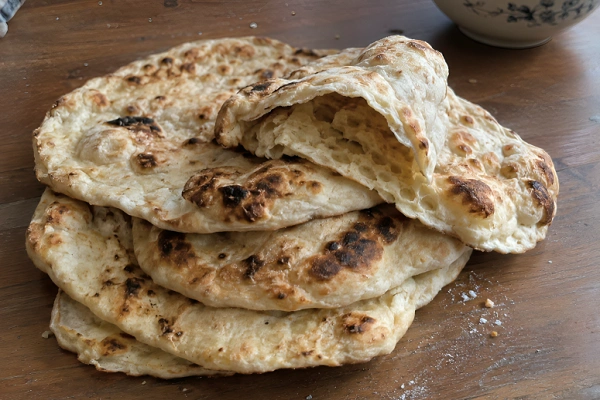
Want soft, chewy naan at home but don’t have a tandoor? This easy naan recipe is made for exactly that. You can make it on the stovetop with a hot skillet, simple pantry ingredients, and yogurt with no oven or special equipment needed.
The dough is soft and easy to work with, and after a short rise, each piece cooks quickly in a hot pan until it develops puffed edges, golden-brown spots, and a little char. Serve it warm with curry, kebabs, or your favorite saucy dish.
Ingredients
- 2 ½ cups (315 g) all-purpose flour, plus extra for dusting
- 1 teaspoon instant yeast
- 1 teaspoon sugar
- ½ cup (120 ml) warm water (about 105–110°F)
- ½ cup (120 g) plain yogurt, at room temperature
- ¾ teaspoon salt
- ½ teaspoon baking powder
- 2 tablespoons neutral oil (such as vegetable or sunflower oil)
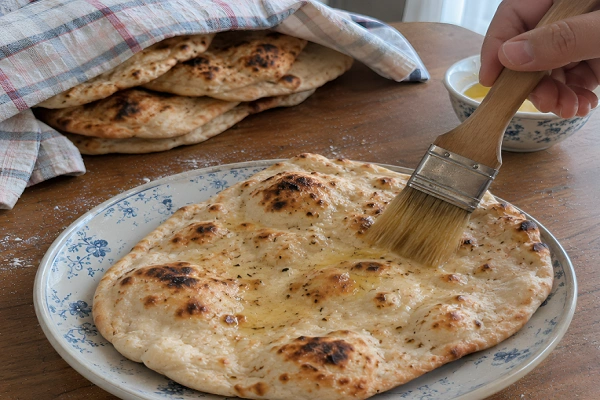
- 2–3 tablespoons melted butter, for brushing after cooking
A few notes on ingredients:
Instant yeast can be mixed directly into the flour without blooming it first, but this recipe blooms it in warm water so you can visually confirm it’s active before mixing the dough.
If the water doesn’t look at all foamy after resting, the yeast may be inactive and should be replaced.
Room-temperature yogurt blends into the dough more evenly than cold yogurt straight from the fridge, which can make the dough feel stiff in spots.
Yogurt thickness varies by brand, so the dough’s exact wetness can vary too adjust with a little extra flour or water as needed to reach a soft, kneadable dough.
Direction
Make the Dough
In a small bowl, stir the warm water, sugar, and yeast together. Let it sit for 5–10 minutes. If the mixture becomes foamy, the yeast is showing signs of activity.
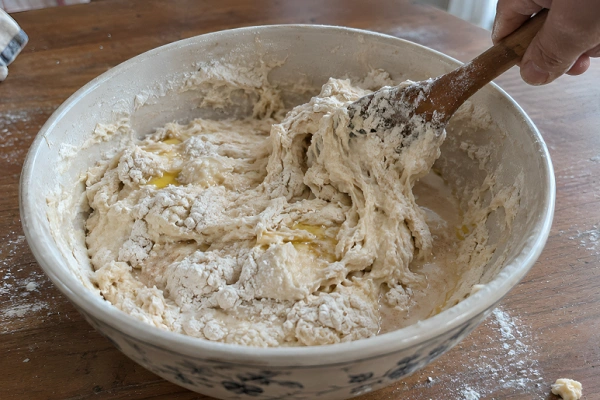
In a large mixing bowl, whisk together the flour, salt, and baking powder. Add the yogurt, oil, and the yeast mixture.
Stir with a spoon or your hand until a shaggy dough forms and there’s no dry flour left at the bottom of the bowl.
Knead and Rest
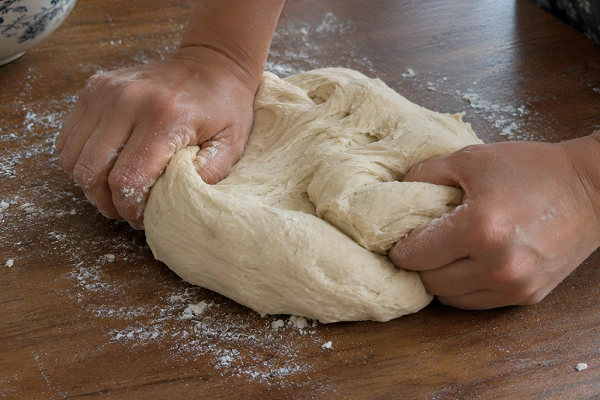
Turn the dough out onto a lightly floured surface and knead for 8–10 minutes, until it’s smooth and elastic. The dough should be soft and slightly tacky but not sticky enough to coat your fingers heavily.
If it’s too sticky to handle, add flour a tablespoon at a time; if it feels dry or stiff, wet your hands lightly and continue kneading.
Shape the dough into a ball, place it in a lightly oiled bowl, and cover with plastic wrap or a damp kitchen towel. Let it rest in a warm spot for 45 minutes to 1½ hours, or until roughly doubled in size.
The exact time depends on how warm your kitchen is; a cooler room will take longer.
Divide and Shape
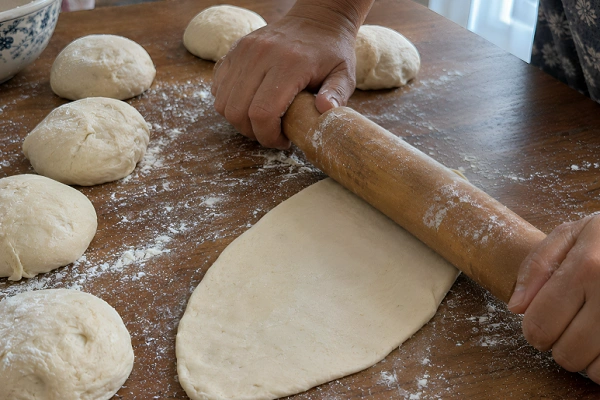
Punch down the dough gently to release the air, then turn it out onto a lightly floured surface. Divide it into 8 equal pieces and roll each into a smooth ball.
Working one at a time, roll each ball into an oval or teardrop shape about ¼ inch (6 mm) thick. Keep the remaining dough balls covered while you work so they don’t dry out.
Heat the Pan
Use a heavy skillet or cast-iron pan, since it holds heat well and helps the naan char properly. Set it over medium-high heat and let it heat for a few minutes until it’s very hot.
You’ll know it’s ready when a drop of water sizzles and evaporates almost immediately on contact.
Cook the Naan
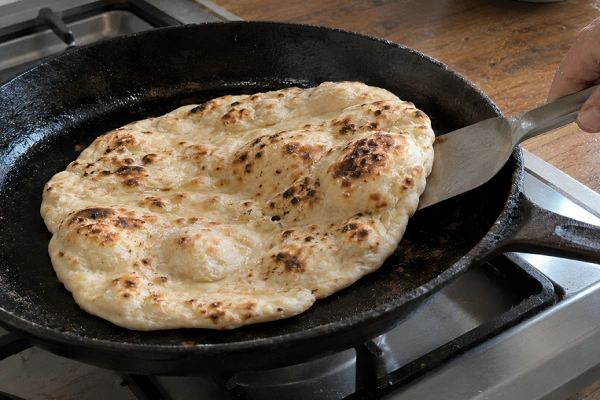
Place one piece of shaped dough onto the hot, dry pan. Within about a minute, bubbles should start forming on the surface.
Once the bottom has light brown spots, flip the naan and cook the second side for another 1–2 minutes, pressing down gently in spots with a spatula to help it puff and cook evenly.
The naan is done when both sides have golden-brown, slightly charred patches and the bread has puffed in places. Overcooking will make it dry and stiff, so pull it off the heat as soon as it looks properly cooked.
How to Cook Naan Without a Tandoor
This recipe is built for the stovetop, so no tandoor or oven is needed. A heavy-bottomed skillet or cast-iron pan is the closest substitute, since it retains high, even heat.
Roll the dough evenly so it cooks at the same rate all over, and avoid rolling it too thin, which can cause it to dry out and crisp instead of staying soft.
Watch for surface bubbles as your cue to flip, and look for brown-black spots rather than an evenly pale surface that’s the sign the naan is properly cooked.
Tips for Soft Naan
- Don’t over-flour the dough while kneading or rolling; too much extra flour will make the naan dense.
- Let the dough rest fully until it has visibly doubled and an under-proofed dough won’t puff as well in the pan.
- Roll the naan to an even thickness so it cooks through without burning the thinner edges.
- Cook one naan at a time and keep the heat steady, rather than crowding the pan, so each piece gets even contact with the hot surface.
Common Problems and Fixes
Why is my naan hard?
This usually means the dough was overworked with too much flour, or the naan was cooked too long or at too low a heat. Stick to the flour amount in the recipe and add extra only if the dough is unworkably sticky.
Why didn’t my naan puff?
This is often a sign the dough didn’t rest long enough, or the pan wasn’t hot enough when the naan was added. Make sure the dough has doubled before shaping, and preheat the pan until very hot.
Why is my dough too sticky?
Yogurt content and humidity can vary, so the dough may need slightly more flour. Add it a tablespoon at a time while kneading rather than all at once.
Why is my naan tearing?
Tearing usually happens when the dough is rolled too thin or when it’s handled roughly while transferring it to the pan. Roll to about ¼ inch thick and lift the dough gently.
What to Serve With Naan
Naan pairs well with curries such as butter chicken or chickpea curry, lentil dals, grilled kebabs, or a simple raita. It also works as a base for wraps filled with grilled vegetables or meat.
FAQs
Can I make naan without a tandoor?
Yes. This recipe is designed for a stovetop skillet or cast-iron pan. A tandoor reaches much higher temperatures than a stovetop can, but a properly preheated skillet still produces naan with a soft texture and blistered, charred spots.
Can I freeze homemade naan?
Yes. Let the naan cool completely, then freeze it in a sealed bag with parchment between pieces for longer storage.
How do I keep naan soft?
The yogurt in the dough, a proper rest before shaping, and not overcooking the naan in the pan are the main factors see the Tips section above for the full breakdown.
Can I make this naan without yeast?
This particular recipe relies on yeast along with baking powder for its rise and texture, so skipping the yeast would change the dough’s structure and isn’t covered by these instructions.

Barkat Ali is a culinary contributor who shares cooking demonstrations, recipe preparation, and practical cooking knowledge with Global Food Story. His contributions include original cooking videos and hands-on culinary content designed to help readers and viewers explore recipes, cooking techniques, and food traditions from around the world.