The Best Fluffy Pancakes recipe you will fall in love with. Full of tips and tricks to help you make the best pancakes.

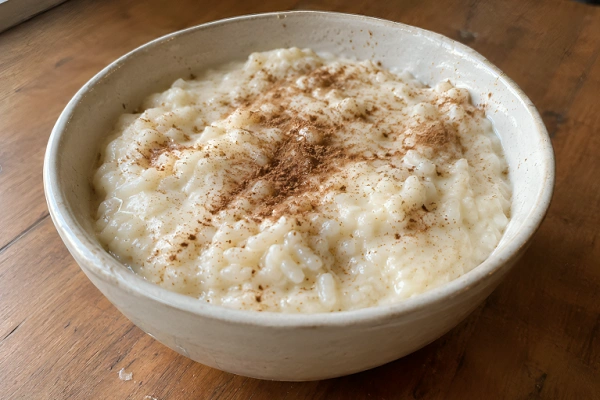
Sultjash is what shows up in Albanian kitchens when someone has rice, milk, and a bit of time on their hands.
The rice cooks down slowly until it barely holds its shape, and the milk reduces alongside it into something thick enough to sit on a spoon without running.
There’s no rush to it; the flavor comes from the slow simmer, not from extra ingredients. This version breaks the process into clear stages, with real cues for texture at each point, so you can tell when it’s actually ready instead of guessing off a timer.
Sultjash Ingredients
- 1 cup short or medium-grain rice – this type of rice releases more starch as it cooks, which is what gives the pudding its creamy body.
- 2 cups water – used to par-cook the rice before the milk goes in.
- 4 cups whole milk – whole milk gives the pudding a richer texture than lower-fat milk.
- ¾ cup granulated sugar – adjust slightly up or down depending on how sweet you like it.
- A pinch of salt – balances the sweetness and rounds out the flavor.
- Ground cinnamon, for serving (optional) – dusted on top just before eating.
How to Make Sultjash
1. Cook the rice in water
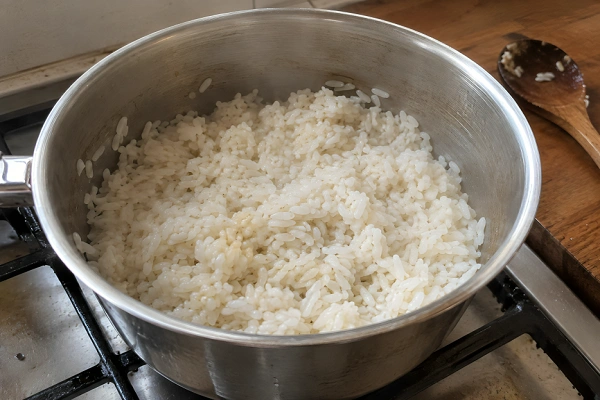
Rinse the rice under cold water until the water runs mostly clear. Add it to a pot with the 2 cups of water and a pinch of salt. Bring to a boil, then lower the heat and let it simmer, uncovered, stirring occasionally.
The rice is ready for the next step once most of the water has been absorbed and the grains are just starting to soften, but not fully cooked through.
2. Add the milk
Pour in the milk and stir well to combine.
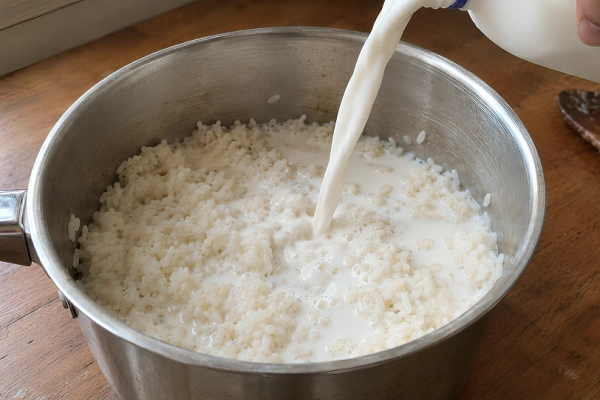
Bring the mixture back up to a gentle simmer over medium-low heat.
3. Simmer until creamy
Reduce the heat to low and let the pudding cook slowly, stirring every few minutes so the rice doesn’t settle and stick to the bottom of the pot.
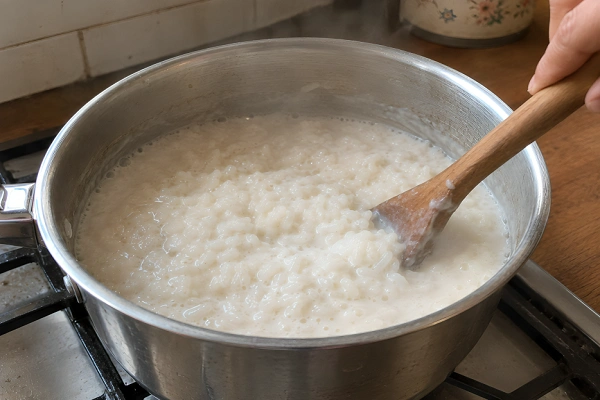
This stage takes patience. The mixture will look thin and milky at first, then gradually turn cloudier and heavier as the rice softens and releases starch.
4. Add the sugar
Once the rice grains are fully tender and the mixture has noticeably heavied up, stir in the sugar.
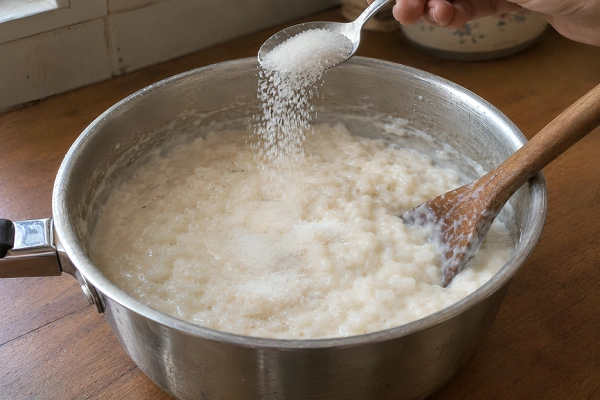
Continue simmering for a few more minutes, stirring constantly, until the sugar has fully dissolved and the pudding takes on a smoother, denser body.
5. Finish the pudding
Remove the pot from the heat once a spoon dragged through the pudding leaves a brief trail behind it, rather than the mixture running back together right away.
6. Cool or serve
Ladle the pudding into individual bowls or one larger dish. It can be served warm right away, or left to cool to room temperature and then chilled, depending on how you prefer it.
How to Know When Sultjash Is Ready
The clearest sign is texture, not time. The rice grains should be fully soft with no firm bite left in the center.
Watch the surface as you stir: early on it looks thin and splashes easily, but as it nears done it develops a slight sheen and moves in slower, heavier waves around the spoon instead of rippling loosely.
The pudding is ready to come off the heat once it holds its shape briefly when you tilt the pot, rather than sloshing flat right away.
It continues to set as it cools, so it’s better to pull it off the stove when it’s a touch looser than the final texture you want, rather than pushing it further on the heat.
Recipe Notes
- Short or medium-grain rice is used here because it breaks down more easily and gives the pudding a creamier body; other rice types can work but will change the texture.
- Keep the heat low once the milk is added. Milk scorches easily, and a rolling boil can cause it to separate or stick to the pot.
- Stir regularly rather than constantly walking away, especially toward the end of cooking, when the pudding builds body quickly and is most likely to catch on the bottom.
- If the pudding sets too firm after chilling, stir in a splash of warm milk to loosen it before serving.
- Expect the texture to tighten noticeably once refrigerated, so don’t judge the final consistency until it’s had time to cool.
How to Serve Sultjash
Sultjash can be served warm, at room temperature, or chilled, depending on preference. Cinnamon can be sprinkled on top if desired, though it’s entirely optional.

Rachel Bradley is a food writer and recipe developer with a love for home cooking and global flavors. She has spent years testing recipes in her kitchen, exploring everything from quick weeknight meals to traditional dishes from around the world. Her goal is simple — make great food accessible to everyone.