The Best Fluffy Pancakes recipe you will fall in love with. Full of tips and tricks to help you make the best pancakes.

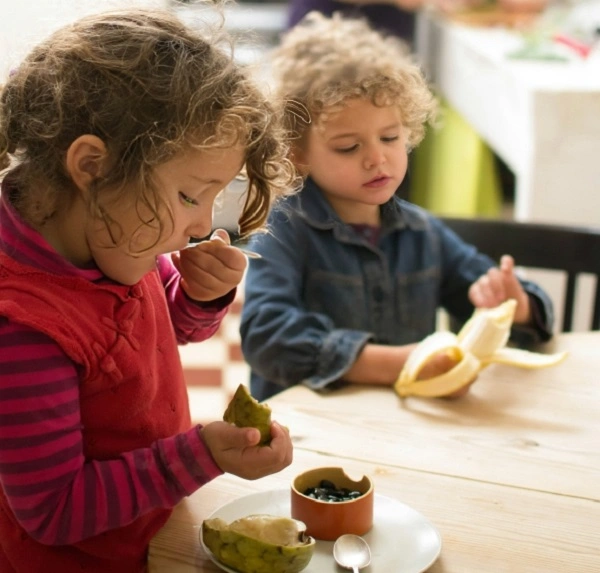
When kids come running through the door after school, the first thing they say is almost always the same: “I’m hungry!” You need something quick, easy, and full right now. No time to cook. No energy to think. You just need it done.
That’s exactly what this guide is for. These healthy after-school snacks for kids are ready in five minutes or less, require zero cooking skills, and most importantly kids actually eat them.
Why After-School Snacking Matters
Children are growing fast and are usually more active than adults, so they need to eat more often. Snacks after school can add up to a lot of calories for a child every day, so what they eat between school and dinner is very important.
For kids with after-school activities like sports, music, or tutoring, a good snack is especially important for keeping energy and focus steady through the rest of the day.
At least two food groups should be in a well-planned snack. Pairing a carbohydrate with a protein or healthy fat keeps kids fuller longer and prevents an energy crash before dinner. In order to keep them hungry for supper, try to feed them snacks at least an hour beforehand.
What Makes a Great Quick After-School Snack?
- Quick prep — under five minutes, little to no cooking
- Balanced — combined with protein or healthy fats
- Kid-friendly — familiar flavors, fun textures
- Portable — great for families heading straight to activities
- Whole food ingredients — minimally processed, real nutritional value
10 Easy Snacks for Kids After School
1. Apple Slices with Nut Butter — Prep: 2–3 min
Apples and peanut butter are one of the simplest things that can go together. The natural sweetness of the apple balances the richness of the nut butter, and together they cover fiber, healthy fats, and staying power in two ingredients. Try drizzling the nut butter over the slices rather than using it as a dip somehow it always disappears faster that way. A sprinkle of granola or a few raisins on top makes it feel like more of a treat. For nut allergies, sunflower seed butter is a reliable swap.
2. Yogurt with Fruit — Prep: 2 min
Plain Greek yogurt stirred together with fruit puree or unsweetened applesauce is one of the most nutritious things you can put in front of a child in under two minutes. It’s full of calcium and vitamins and will keep you full until dinner. A handful of granola on top adds crunch or skip it and pack the whole thing into a reusable squeeze pouch for car rides to practice.
3. Pretzels, Cheese, and Fruit — Prep: 2 min
No cooking, no prep, no stress. Get some crackers or pretzel sticks, some cheddar or string cheese, and any fruit that’s on the counter—a banana, a bunch of grapes, or a sliced pear. Done. This is the snack you make when you have genuinely nothing left in you, and it still works every time.
4. Hummus with Veggies and Crackers — Prep: 3–5 min
Something interesting happens when you put out a bowl of hummus. Suddenly kids who claim to hate vegetables are happily dipping carrots and cucumber rounds without a single argument. Add some crackers alongside and you have a snack that covers plant-based nutrition, fiber, and crunch without any cooking. Store-bought works perfectly fine, or blend a batch at home in five minutes.
5. A toast topped with avocado and an egg — Prep: 2 min
It sounds fancy, but it’s really very easy: mash half an avocado on top of a toasted grain bread slice, then add a sliced hard-boiled egg and a pinch of salt. That is it. Make a batch of eggs at the beginning of the week and you’ll have the fastest snack to keep you full. Great for kids who have a long evening of homework or sport ahead.
6. Cottage Cheese with Granola and Fruit — Prep: 2–3 min
Cottage cheese is quietly one of the most underrated foods in the dairy aisle at roughly 11 grams of protein per half cup, and its casein content is known to support satiety, so kids stay satisfied for longer. The trick for it to function is toppings. Diced mango, pineapple chunks, or fresh berries with a handful of crunchy granola turns this into something that feels nothing like a healthy snack. It disappears fast.
7. Banana Burrito — Prep: 3 min
Spread peanut butter on a tortilla, then place a half-peeled banana along one edge. After putting cinnamon on top, roll the tortilla up tightly. It will be gone in 45 seconds if you give it to a child. This one travels well, no plate needed, no mess, no fuss. Little kids really enjoy the moving step, which makes them eager to eat their snacks instead of putting them off.
8. Yogurt Smoothie — Prep: 3 min
In a blender, put frozen fruit and regular yogurt. Blend for thirty seconds, and it’s done. The best part of this one is that kids can pick the fruit combination themselves once they have made a choice, they are invested in drinking it. Mango and banana are popular fruits. Mixed berries give it a colour that looks almost too good. Older kids can handle the whole thing independently, which is a genuine time-saver on busy afternoons.
9. Cheese Crisp with Beans — Prep: 5 min
Spread refried beans on a tortilla, scatter shredded cheese over the top, press it into a hot skillet or slide it under the toaster oven. Two to three minutes later you have something crispy, melty, and satisfying that covers protein, fiber, and complex carbohydrates in a single item. Cut into wedges and serve as is, or let kids add toppings like avocado or salsa if they want to make it their own.
10. Air-Popped Popcorn — Prep: 3 min
Do not underestimate popcorn. It is a genuinely nutritious snack high in dietary fiber, light enough not to spoil dinner, and easy enough that kids can make it themselves. A microwave bag or a simple countertop popper works fine. Plain with a little salt is the move to avoid the heavily flavored or butter-drenched store-bought versions. Pair it with a glass of milk or a piece of fruit and you have a complete afternoon snack without any effort.
Make-Ahead Snack Prep Tips
Spending 15 minutes on Sunday means the entire week of after-school snacks is sorted before it even starts.
Wash and cut fruit in advance — sliced apples, grapes, melon, and berries stored in airtight containers stay fresh for 3–4 days and are ready to grab instantly
Boil a batch of eggs — they keep in the fridge for up to a week; peel them ahead of time and they become a one-second addition to any snack
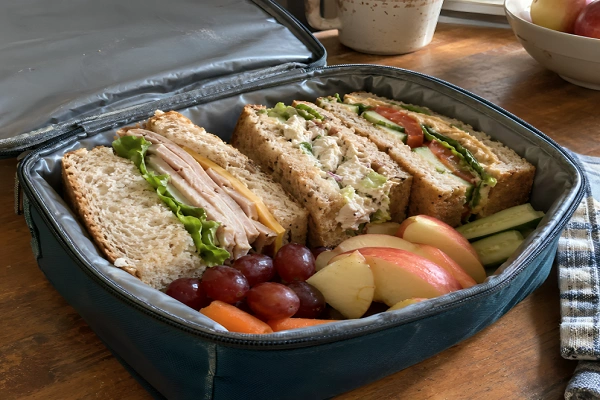
Build snack boxes — small containers filled with crackers, cheese cubes, and dried fruit mean kids can pull out a complete snack without asking for help
Cut veggie sticks — carrots, cucumbers, and bell peppers prepped on Sunday and stored in water stay crisp and fresh all week
Freeze smoothie packs — portion fruit into individual bags so a smoothie goes from freezer to glass in under a minute
Portion the hummus — divide a large container into small cups at the start of the week so dipping is always one reach away
The Snack Plate: The Best Way to Get Picky Eaters to Eat
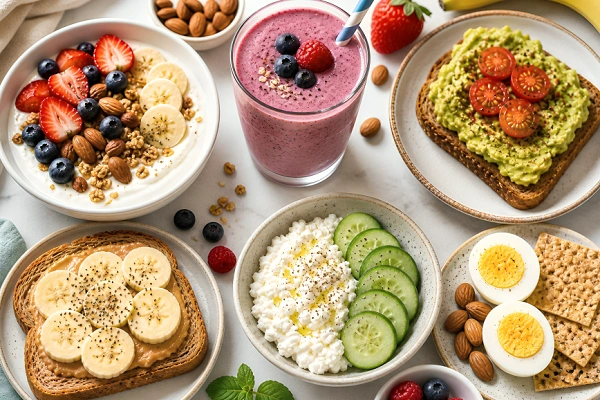
Instead of serving one item and hoping for the best, arrange small amounts of four or five different things on a single plate: a few crackers, some cheese, a handful of blueberries, a couple of cucumber slices, and a small scoop of hummus. You don’t have to eat a certain thing. Kids graze naturally, try things at their own pace, and over time tend to become more adventurous without any mealtime battles. It is one of the simplest and most effective feeding strategies for young children.
Building Kitchen Independence
Let your kids choose what they want to eat and help them put it together. This will save you time and make them happier. It builds real confidence. A child who can make their own smoothie or assemble a snack plate is developing skills that carry well beyond the kitchen. Set up a small snack station in the fridge with pre-portioned options and older kids can handle the whole thing from the moment they walk through the door.
FAQs
How long before dinner should I serve a snack?
Aim for at least an hour between snack and dinner. Many children are naturally hungrier in the afternoon than at the evening meal this is common and not a cause for concern.
What about portion sizes?
Younger children need roughly half of what an older child would eat. Start small and let them ask for more rather than serving a large portion upfront.
What if my kid is allergic to nuts?
Sunflower seed butter is the closest substitute for peanut butter in texture and flavor. Hummus, cottage cheese, string cheese, and yogurt are all naturally nut-free and work across most of these snacks.
Can kids make these themselves?
Most of them, yes. Smoothies, yogurt bowls, snack plates, and banana burritos are all manageable for children who are comfortable in the kitchen, usually around age 7 or older, depending on the child.
Final Thoughts
The best healthy after-school snacks for kids are not complicated. They are quick, they cover more than one food group, and they are things your children will actually want to eat. Stock your fridge with a few reliable staples yogurt, cheese, fresh fruit, crackers, nut butter, hummus — and a satisfying snack is never more than a few minutes away.
This article provides general nutrition information only. For guidance specific to your child’s health or dietary needs, consult a registered dietitian or pediatrician.

Rachel Bradley is a food writer and recipe developer with a love for home cooking and global flavors. She has spent years testing recipes in her kitchen, exploring everything from quick weeknight meals to traditional dishes from around the world. Her goal is simple — make great food accessible to everyone.