The Best Fluffy Pancakes recipe you will fall in love with. Full of tips and tricks to help you make the best pancakes.

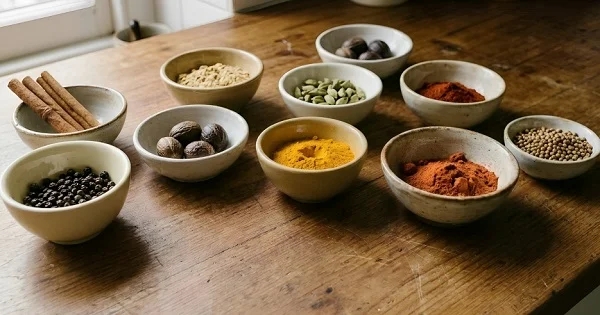
You open the cupboard to grab cumin and find five half-empty jars, two with no label, and one that smells like dust.
Sound familiar? A cluttered shelf wastes money and still leaves you without the one spice your recipe needs.
This guide to the 10 essential spices every kitchen needs fixes that. You will learn what each spice tastes like, how to cook with it, and how to keep it fresh, so you can buy less and cook better.
Stocking your first kitchen or sorting an overstuffed rack? Start here.
1. Black Pepper
Pepper is the spice most people grab without thinking, yet few know where it starts.
It grows as Piper nigrum, a climbing vine from the Malabar Coast in southwestern India, and its sharp bite comes from a compound called piperine.
Buy whole peppercorns and grind them as you cook. Ground pepper loses its aroma quickly because the fragrant oils escape once the berry is crushed.
Add it to eggs, soups, salads, marinades, and almost any savory dish.
One pepper plant can produce black, green, and white peppercorns. The difference lies in when farmers pick the berries and how they process them.
2. Cumin
Open a jar of cumin and the smell alone says warm, earthy, and a little nutty.
The seeds belong to Cuminum cyminum, a small plant in the parsley family, and they anchor Indian curries, Middle Eastern stews, Mexican chili, and North African spice blends.
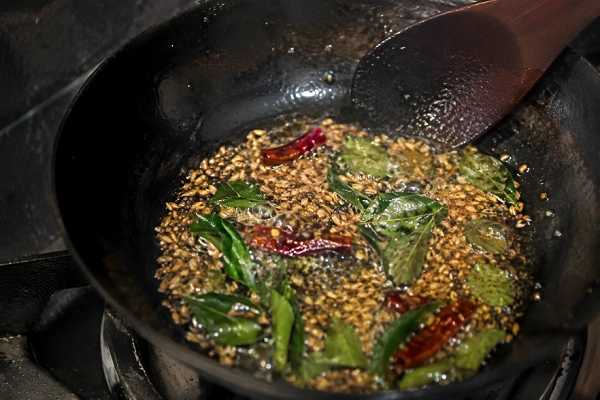
A short dry-toast brings out the cumin’s aroma. Give the seeds about 30 to 60 seconds in the pan before grinding them.
You can also drop whole seeds into hot oil at the start of a recipe. Cooks across South Asia call this step tadka, and it builds flavor fast.
3. Turmeric
Golden rice and bright yellow curries owe their color to turmeric. The spice is the underground stem, or rhizome, of Curcuma longa, a relative of ginger. It tastes mild, earthy, and slightly bitter.
Curcumin is the main pigment in turmeric. Research suggests that piperine, the compound in black pepper, can help the body absorb curcumin better. That is one reason cooks often pair the two.
Use a small amount. Too much turns a dish bitter. Also watch your counters and cutting boards, because turmeric stains plastic and fabric easily.
4. Paprika
Paprika is not one spice but a family. Cooks make it by drying and grinding Capsicum annuum peppers, and it comes in three main styles:
- Sweet paprika: mild, fruity, and bright red.
- Hot paprika: adds noticeable heat.
- Smoked paprika: Spanish producers dry the peppers over oak fires, which gives the powder a deep smoky taste.
Paprika burns fast in hot oil and turns bitter. Stir it in at the end of sautéing, or add it with liquid. It works well on roasted potatoes, grilled chicken, and egg dishes.
5. Cinnamon
Think of cinnamon as more than a baking spice. The two types you will most often find are:
- Cassia: the common, strong, slightly spicy type sold in most supermarkets.
- Ceylon: often called “true cinnamon,” grown mainly in Sri Lanka, with a lighter and more delicate flavor.
Cassia contains far more coumarin than Ceylon. A tolerable daily intake of 0.1 mg of coumarin per kilogram of body weight has been established. People who eat cinnamon every day may prefer Ceylon.
Do not limit cinnamon to desserts. A stick simmered in rice, stews, or tea adds warmth that is hard to replace.
6. Coriander Seeds
Here is a surprise for new cooks: coriander seeds and cilantro leaves come from the same plant, Coriandrum sativum, yet they taste nothing alike. The seeds are mild, citrusy, and slightly floral.
Coriander pairs naturally with cumin, and the two form the base of many curry powders and spice rubs. Coriander seeds work well in lentils, roasted vegetables, pickles, and marinades.
7. Ginger (Ground)
Fresh ginger and ground ginger behave like two different ingredients. The powder comes from the dried rhizome of Zingiber officinale, and drying makes it warmer and more peppery, though it loses the fresh root’s juicy brightness.
The two are not equal swaps, so use the form a recipe asks for. Ground ginger works well in gingerbread, spice cakes, marinades, and carrot or pumpkin soup.
8. Cardamom
Cardamom has a strong flavor, so a small amount can go a long way. These seed pods come from Elettaria cardamomum, a plant native to southern India, and people often call it the “queen of spices.”
Cardamom can be costly, and its strong flavor means you do not need much. Guatemala now grows a large share of the world’s supply.
The flavor is sweet, floral, and slightly minty. Crack a pod or two into chai, rice pilaf, or rice pudding. Black cardamom, a different plant, tastes smoky and suits meat dishes better.
Fish the whole pods out before serving, because biting into one is an intense surprise.
9. Cayenne or Red Chili Powder
Every kitchen needs one reliable heat source. Cayenne or plain red chili powder does the job. The burn comes from capsaicin, which concentrates in the white inner membranes of the pepper rather than in the seeds themselves.
Pharmacist Wilbur Scoville created the Scoville scale in 1912 to rate chili heat. Cayenne usually lands between 30,000 and 50,000 Scoville heat units. Kashmiri red chili powder, by contrast, adds vivid color with only mild heat.
Stir it into oil or a yogurt marinade so the heat spreads evenly. You can always add more, but you cannot take it out. Wash your hands well after handling chili powder, and keep them away from your eyes.
10. Nutmeg
Nutmeg works well in both sweet dishes and savory recipes. It is the seed of the tropical tree Myristica fragrans, and mace, another spice, is the lacy red covering around that same seed. The taste is warm, sweet, and a little woody.
Grate it with a fine grater as you cook. One nut lasts a long time, and a small pinch lifts creamy sauces, mashed potatoes, spinach dishes, and baked goods.
Use it with care. Normal cooking amounts are safe, but very large amounts can cause serious illness.
How to Buy and Store Spices
As spices sit in storage, their aroma and flavor gradually fade. These habits protect your money and your meals.
- Buy small amounts. Pick up a small jar or a few tablespoons from a shop with fast turnover. Large containers often outlast their flavor.
- Choose whole when possible. Whole spices keep their oils longer than ground ones. Pepper, cumin, coriander, cardamom, and nutmeg benefit most.
- Store them airtight. Use sealed jars and keep them in a cool, dark cupboard.
- Keep them away from the stove. Heat, light, and moisture all dull aroma.
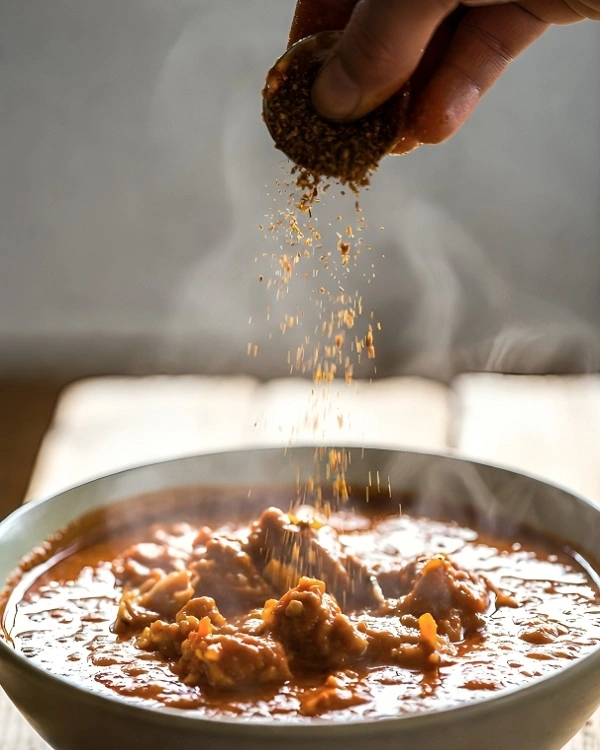
- Use a dry spoon. Never shake spices over a steaming pot, because moisture can cause clumping and spoilage.
- Label each jar with the purchase date.
Ground spices generally hold their best flavor for about two to three years. With proper storage, whole spices can remain flavorful for several years, sometimes up to four.
These are quality timelines, not safety deadlines. Rub a pinch between your fingers and smell it. If the aroma is faint, replace the jar.
Where to start: If ten jars feels like too many, begin with black pepper, cumin, turmeric, paprika, and red chili powder. Add the rest as your cooking grows.
Final Thoughts
Ten jars will not make you a great cook, but they will make you a flexible one. Pick one spice this week and cook with it three different ways. You will learn more from that than from any list.
FAQs
How many spices does a beginner need?
Five to ten is plenty for most home cooks. Choose spices that match the dishes you already cook instead of buying a full set at once.
Is whole or ground better?
Neither wins every time. Whole spices last longer and suit dry toasting, while ground spices save time in quick sauces and baking.
Can I substitute one spice for another?
Sometimes. Paprika can replace mild chili powder, and ground coriander can stand in for a little cumin. Many spices, such as turmeric or cardamom, have no true substitute, so expect a different result.

James Carter is a food researcher and writer passionate about global cuisines, street food, and the stories behind what we eat. He combines thorough research with a genuine love for food culture to bring readers accurate, well-written, and interesting content.