The Best Fluffy Pancakes recipe you will fall in love with. Full of tips and tricks to help you make the best pancakes.

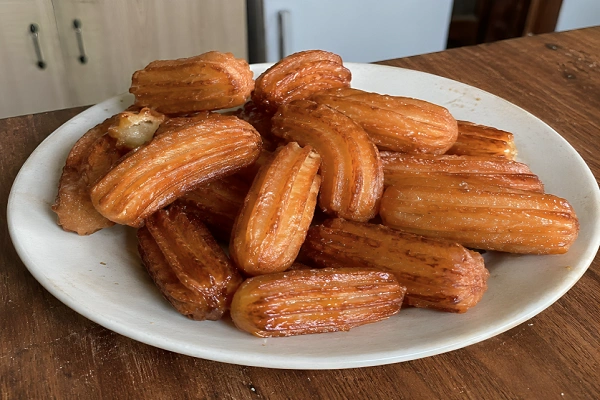
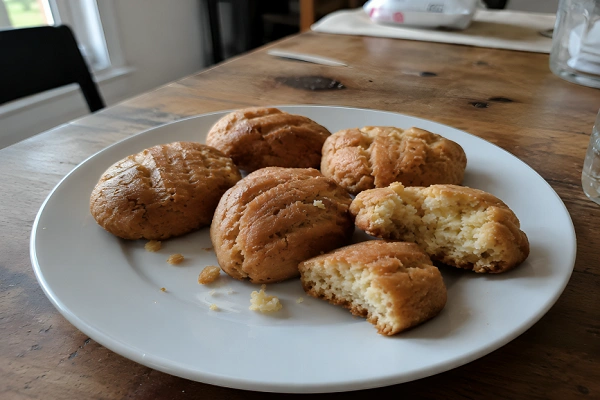
This tulumba recipe turns four pantry staples and a pot of sugar syrup into golden, ridged pastries that crackle on the outside and stay soft underneath.
The key to getting that texture right is keeping the syrup cold and the frying temperature steady.
Prep time: 25 minutes · Cook time: 20 minutes · Syrup soaking time: 5 minutes · Total time: about 50 minutes · Yield: roughly 24 to 28 pieces · Difficulty: moderate
What Is Tulumba?
Tulumba, also called bamiyeh in Persian or balah el sham in Arabic, is a deep-fried choux pastry soaked in cold sugar syrup.
It comes from Egypt, Syria, and the wider Ottoman Empire, and today it shows up in bakeries across Turkey, Greece, the Levant, and the Balkans.
The name itself means “pump” in Ottoman Turkish, a reference to how the dough is piped before frying.
Ingredients
Dough:
- 1 cup water
- 3 tablespoons butter or vegetable oil
- 1 tablespoon sugar
- A pinch of salt
- 1 cup all-purpose flour
- 3 to 4 large eggs, at room temperature
- 1 teaspoon vanilla extract
Syrup:
- 2 cups granulated sugar
- 1 cup water
- 1 teaspoon lemon juice
- A cinnamon stick or a few cloves (optional, for extra flavor)
Frying:
- Neutral oil such as sunflower or vegetable oil, enough for deep-frying
Step by Step Instructions
Step 1
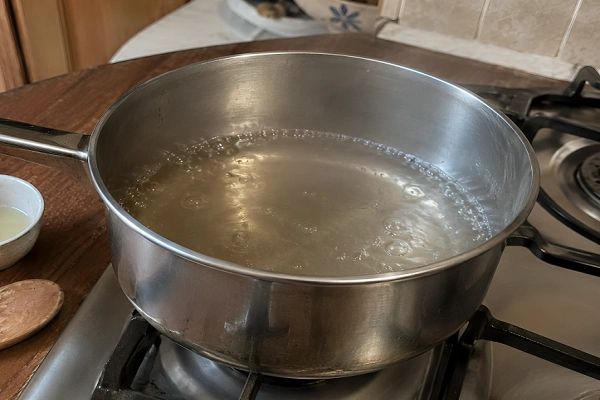
In a pot, mix sugar, water, and lemon juice together. Bring the mixture to a boil over medium heat, stirring until the sugar dissolves completely.
The lemon juice keeps the syrup from crystallizing as it cools. Let it simmer for about five minutes, then take it off the heat and set it aside to cool completely before the pastries are ready.
A cold syrup bath is what keeps the fried shell crisp once it goes in; a warm one softens it almost instantly.
Step 2
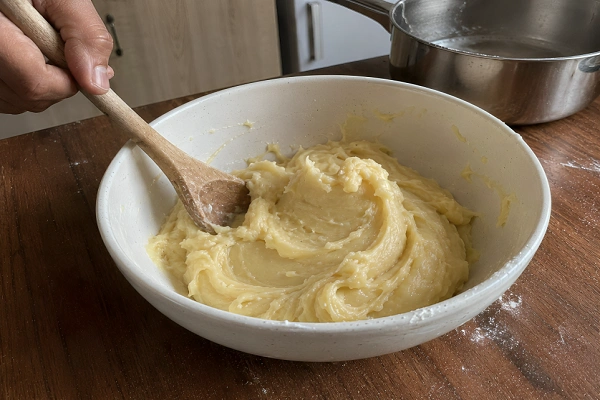
In a medium saucepan, bring the water, butter, sugar, and salt to a rolling boil. When it starts to boil, take the pan off the heat and add the flour all at once.
Stir vigorously with a wooden spoon until the mixture forms a smooth ball that pulls away from the sides of the pan. Return the pan to low heat for one minute, stirring constantly, to cook off excess moisture.
Put the dough in a bowl to mix it in, and then wait five to ten minutes. One egg at a time, beating well after each addition.
The dough should end up smooth, glossy, and thick enough to hold its shape when piped, similar to the consistency used for eclairs or cream puffs. Stir in the vanilla extract at the end.
Step 3
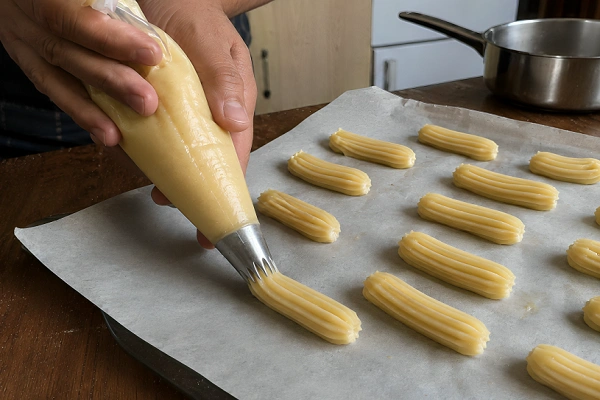
Fit a piping bag with an open star tip. Fill the bag with the dough and pipe short logs, roughly three inches long, directly into the hot oil, or onto a piece of parchment paper first if you prefer more control before frying.
The ridges from the star tip help the syrup cling to the pastry later.
Step 4
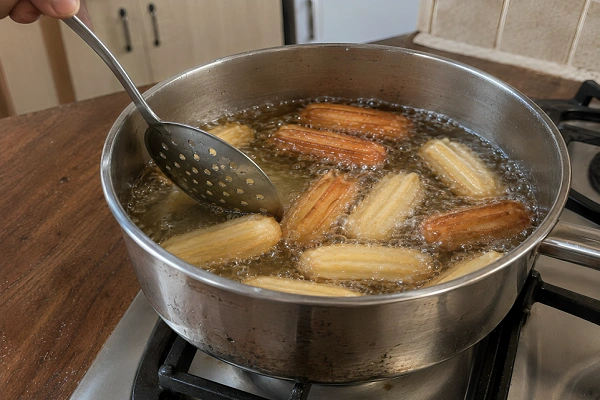
Heat the oil in a deep pot to around 325 to 340 degrees Fahrenheit (163 to 171 degrees Celsius).
Oil that is too hot browns the outside before the inside cooks through; oil that is too cool leaves the pastries greasy instead of crisp.
Fry the tulumba in small batches, turning occasionally, until evenly golden, which usually takes six to eight minutes per batch. Lift them out with a slotted spoon and drain briefly on a wire rack or paper towels.
Step 5
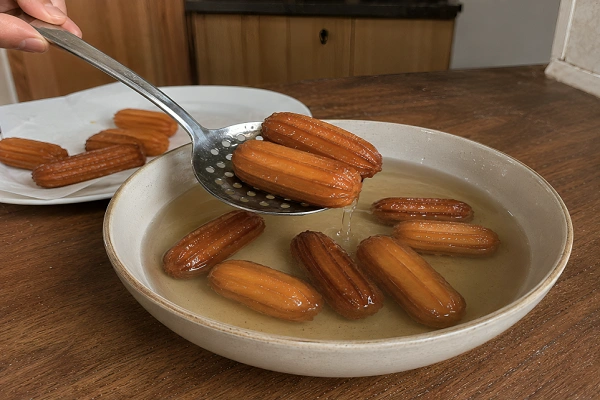
While the tulumba are still hot, drop them directly into the cooled syrup. Let them sit for two to three minutes, turning once, so they take on syrup evenly without turning mushy.
Lift the pieces out with a slotted spoon and arrange them on a serving plate.
Step 6
Tulumba is traditionally served plain, but you can top it with crushed pistachios, shredded coconut, or a light drizzle of melted chocolate for extra flair.
It tastes best served warm or at room temperature on the day it is made, though leftovers keep well in an airtight container for a couple of days.
Mistakes and How to Fix
The tulumba turns soggy right after soaking
Nine times out of ten, this is because the syrup was still warm when the fried pastries went in see Step 1 for why that matters. Let it cool completely before the pastries touch it, no shortcuts.
The dough spreads out instead of holding its rigid shape
The dough was too thin, which usually comes from adding eggs too quickly or using eggs on the larger side. Add them one at a time, and stop as soon as the dough falls off a spoon in a slow ribbon rather than a drip.
The outside turns brown, but the inside stays raw
This is an oil temperature problem, not a timing one. Bring it back down into the range given in Step 4, and test with a small piece of dough first; it should sizzle gently rather than spatter.
The syrup goes cloudy or turns grainy
This happens when sugar crystals on the side of the pot get stirred back in. Once the syrup starts boiling, leave it alone, and let the lemon juice do the work of keeping it clear.
Storage and Reheating
Tulumba tastes best on the day it is made, before the fried shell has had time to soften.
Store leftovers in an airtight container at room temperature for up to two days; the fridge tends to soften them faster because of the moisture.
To bring some texture back, warm the pieces in a 300°F oven for five minutes before serving. Freezing is not a good option once the pastries have been through the syrup, since thawing turns them mushy.
Variations
Semolina tulumba
Replace one tablespoon of the flour with fine semolina for a slightly denser, more textured bite, a version common in Egyptian balah el sham.
Spiced syrup
Adding a cinnamon stick or a couple of cloves to the syrup while it boils gives the finished dessert a warmer, spiced background note.

Rachel Bradley is a food writer and recipe developer with a love for home cooking and global flavors. She has spent years testing recipes in her kitchen, exploring everything from quick weeknight meals to traditional dishes from around the world. Her goal is simple — make great food accessible to everyone.